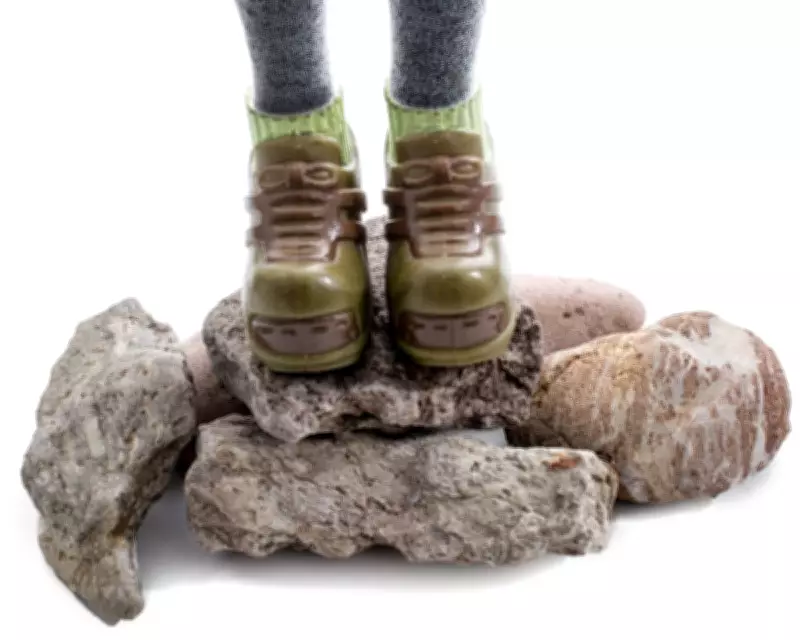
When a pair of walking shoes deteriorates after just seven months of use, it sparks a critical debate over consumer rights and product quality. Rob from Queensland purchased walking shoes on a sales assistant's recommendation, only to find the inside heels worn away, causing blisters and rendering them unwearable. Despite returning to the store and emailing the company with evidence, both responses cited "fair wear and tear," even though Rob argued the shoes failed to meet acceptable quality standards under Australian consumer law. With an original cost of $169, this situation suggests an annual expense exceeding $340, highlighting concerns over durability and value.
Understanding Consumer Guarantees Under Australian Law
As consumers, we often lament the declining lifespan of products, but this does not negate our legal protections. Under Australian consumer law, key rights are encapsulated in "consumer guarantees," which mandate that goods must be of "acceptable quality." While no rigid rules define this term, guidance from the Australian Competition and Consumer Commission (ACCC) provides clarity. Acceptable quality entails that goods are safe, durable, and perform their intended functions for a reasonable duration. Factors influencing this assessment include the nature of the goods, materials used, price, and any statements made at the point of sale.
Evaluating Durability and Fair Wear and Tear
In Rob's case, expensive walking shoes used as intended should reasonably last longer than seven months. Price alone may not guarantee durability, but higher-priced items generally carry an expectation of better quality and longevity. Additionally, advice from the sales representative could reinforce this expectation. However, exceptions exist under "normal circumstances." For instance, using shoes in unintended ways—like wading through water in non-waterproof models—or improper care, such as ignoring washing instructions, can void consumer guarantees.

When assessing "fair" wear and tear, consider the frequency and intensity of activities. Lengthy hikes over rocky terrain might shorten a shoe's lifespan, whereas casual urban strolls should allow for extended use. Ultimately, if the shoes are used for their designed purpose—regular walking—consumers likely have a strong case for repair, replacement, or refund.
Steps to Resolve Consumer Disputes
Rob has already contacted the business twice without satisfaction, so the next step involves escalating the issue to a consumer protection agency. In Queensland, this is the Office of Fair Trading. To file a complaint, provide receipts, photos of the fault, correspondence with the retailer, and other relevant documents via an online form. The office can offer advice and potentially mediate with the retailer to resolve the dispute.
If mediation fails, legal action remains an option, though it may not be worthwhile for a $169 claim due to costs and stress. Regardless of the outcome, consumers can leverage online reviews on retailer websites, Google, or social media to share experiences. Shopping elsewhere, particularly with brands offering lifetime guarantees or free repairs, can also promote better sustainability and customer care practices.
This case underscores the importance of understanding consumer rights in an era of flimsier products. By staying informed and proactive, individuals can advocate for quality and hold businesses accountable, ensuring fair treatment in the marketplace.