Water Filter Necessity: Expert Insights on U.S. Tap Water Safety
Most tap water in the United States is safe to drink, meeting high-quality standards set by regulatory bodies. However, variations in taste and building plumbing can lead to uncertainty, driving a booming market for water filters ranging from simple pitchers to advanced reverse osmosis systems. Experts emphasize that extensive treatment is unnecessary for the majority of American households, but knowing how to decide on a filter is crucial.
Assessing Tap Water Safety and Quality
Under the Safe Drinking Water Act, the Environmental Protection Agency establishes health standards for over 90 contaminants in public water systems, including chemicals and microbes. Utilities typically treat water with disinfectants like chlorine to eliminate harmful germs before distribution. Most public utilities comply with these standards, ensuring safe tap water for consumption. Gregory Pierce, director of the University of California Los Angeles' Human Right to Water Solutions Lab, advises, "Unless you're experiencing health impacts, receive a notice from your water system, or there's credible media reporting unsafe water, a filter isn't essential. It may enhance taste, but it's not necessary in over 90% of the U.S."
How to Check Your Local Water Quality
Begin by reviewing your utility's annual Consumer Confidence Report, which details detected contaminants and compliance with federal standards. These reports are usually accessible on city or utility websites, or you can contact your provider directly. Water systems are responsible only until water reaches private property, meaning quality can vary by building. For many, these reports provide sufficient reassurance, but some consumers, especially in older buildings, seek more certainty. Jess Goddard, chief science officer at SimpleLab, suggests, "Testing your water can identify risks that need treatment." Private wells require different attention as they aren't regulated under the Safe Drinking Water Act, with homeowners responsible for monitoring; the EPA offers resources for well owners.

Testing kits, costing a couple hundred dollars or more, involve ordering a kit, collecting a water sample, and mailing it to a certified lab for analysis of contaminants like PFAS, microplastics, metals, and disinfection byproducts. If serious issues arise, Pierce recommends contacting your water utility or state environmental agency for guidance. Solutions may include temporary alternatives like bottled water or infrastructure upgrades such as pipe replacement. If problems aren't severe, a filter might suffice.
Choosing the Right Water Filter
Consider your filtration goals and what different filters can achieve. The EPA notes that many household activities, like flushing toilets, don't require treatment, so focus on cooking and drinking. Most filters carry ratings from NSF and the American National Standards Institute, with common standards including NSF/ANSI 42 for taste or smell, 53 for health effects, and 401 for emerging compounds. An NSF database allows searches by product or target compounds. Sydney Evans, a science analyst at the Environmental Working Group, cautions, "Not every filter is good for everything. Even if one does everything, you might not need it."
Many households use filters for taste or odor improvement rather than safety concerns. Goddard explains, "These factors impact enjoyment and confidence in drinking water." Basic carbon filters, like pitcher models, effectively reduce chlorine and byproducts from chlorine reactions. Samantha Bear, a senior research analyst at SimpleLab, notes that even when contaminant levels are below federal limits, filtering can reduce long-term exposure. For PFAS concerns, the EPA advises contacting local water providers first, as filters can reduce levels. Lead contamination often exceeds filter capabilities, but since no level is safe, filters may be used even without recommendations for alternatives or pipe replacements.

Differences in Water Treatment Systems
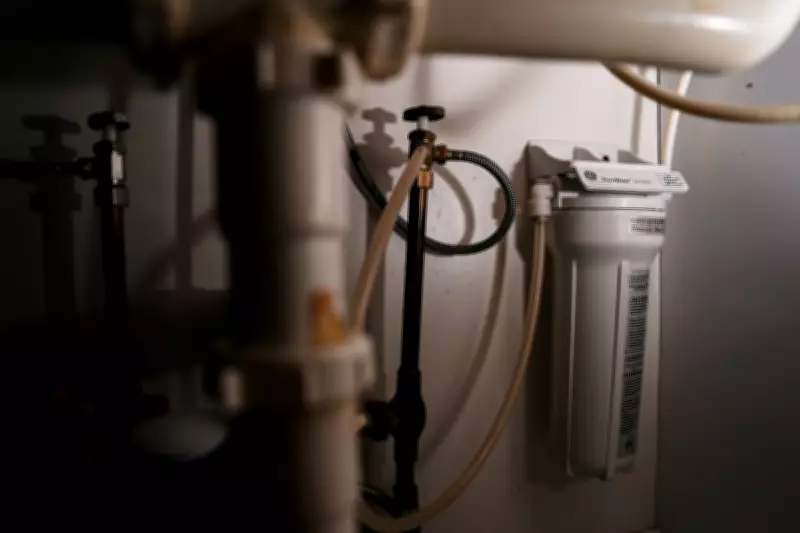
Point-of-use systems, such as pitchers, refrigerator filters, and faucet-mounted units, treat water where it's consumed or used for cooking. Under-sink and reverse osmosis systems also treat at the tap but may need professional installation. Whole-home systems filter water at the point of entry, distributing treated water throughout the house; these are costlier and often require professional setup, suitable for issues like hardness or high iron levels. Water softeners reduce mineral buildup but don't remove most contaminants, while distillation systems, less common in homes, boil and condense water to remove minerals and some impurities.
Experts state that most households don't require whole-home or distillation systems unless dealing with specific, documented issues. Proper maintenance is critical, as filter cartridges can lose effectiveness or harbor bacteria if not changed per manufacturer instructions. Pierce warns, "Otherwise, they may do more harm than good."
The Associated Press' climate and environmental coverage receives financial support from multiple private foundations. AP is solely responsible for all content.