The Surprising Truth About Cucumber Plastic Wrap
When browsing the supermarket produce aisle, many shoppers wonder why cucumbers are almost always encased in a thin layer of plastic wrap. While hygiene might seem the obvious reason, experts reveal a more nuanced explanation that challenges common assumptions about packaging and sustainability.
Beyond Hygiene: The Real Purpose of Plastic
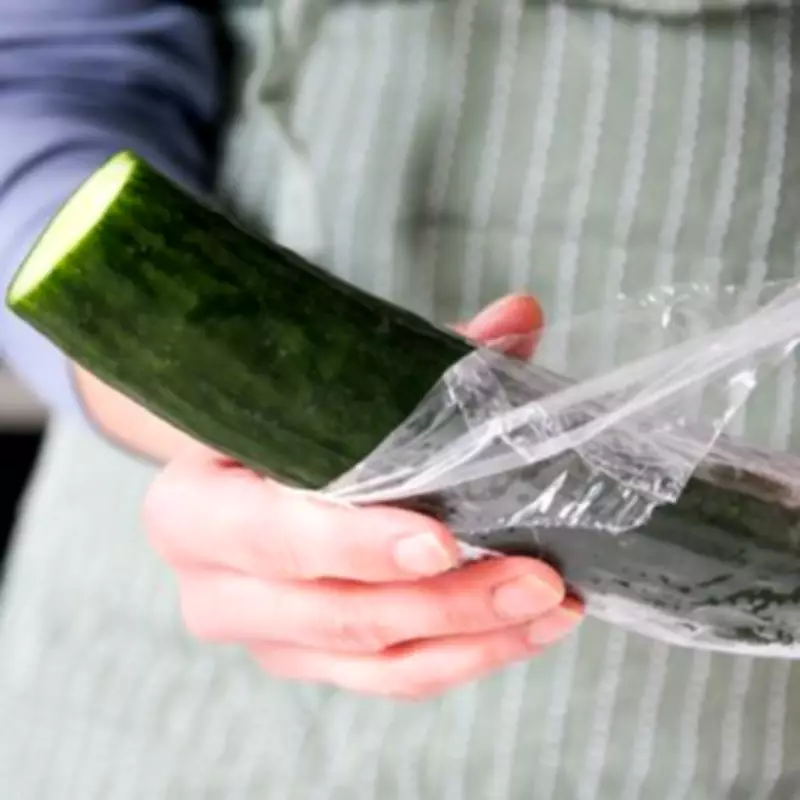
Ann Cooper, from Southampton bakery Wonderberrys, explains that the plastic serves a critical function beyond mere cleanliness. "People often assume the plastic wrap on cucumbers is just about cleanliness, but we've seen first-hand at Wonderberrys why it's really there," she states. "While we mostly focus on cakes and sweet treats, our takeaway afternoon tea offerings rely heavily on fresh cucumber sandwiches. The wrap helps to retain optimum quality by stopping the cucumber from drying out."
This moisture retention is particularly vital for English cucumbers, which have thinner, more delicate skin compared to field varieties. Content creator and Slow Cooker Meals founder Ryan Allen elaborates on this point, noting that "rapid dehydration no doubt comes from the fact that [it has] thin skin. With the plastic wrap, though, moisture loss is cut to almost nothing, and freshness is retained for up to a week."

Protection and Preservation Benefits
The plastic wrap acts as a protective barrier during transportation and storage. Ryan Allen highlights that "thin-skinned cucumbers mark easily during transport. But the plastic, by serving as a thin protective barrier, still blocks much of the wear, keeping the products looking better, cleaner, newer on the shelf." This not only maintains visual appeal but also extends shelf life significantly.
Research supports these claims, with consumer website Which? reporting that plastic-wrapped cucumbers stay fresh for approximately 14 days, compared to just five days for unwrapped ones. This extended freshness directly impacts food waste reduction, a key environmental concern.
Environmental Impact Considerations
While plastic packaging often faces criticism for environmental reasons, experts argue that in this case, it may actually help lower overall waste. Ryan Allen reasons that "if wrapping keeps food from spoiling, then the net environmental impact can be lower than selling items unwrapped and throwing more away." This perspective suggests that the plastic wrap's role in preventing dehydration and bruising could outweigh its disposal concerns by reducing the volume of spoiled produce.
Optimal Storage Practices
To maximize freshness, cucumbers should be stored in the refrigerator, preferably in the crisper drawer. The plastic wrap continues to function as a second skin during home storage, preventing dehydration and maintaining texture. Removing the wrap prematurely can accelerate moisture loss, leading to limp, less appetizing cucumbers.
This expert insight reveals that the plastic wrap on cucumbers is not merely a marketing gimmick or hygiene measure but a carefully designed solution to preserve quality, reduce waste, and ensure consumers receive fresh produce. As sustainability debates continue, understanding these practical benefits helps inform more balanced discussions about packaging in the food industry.