

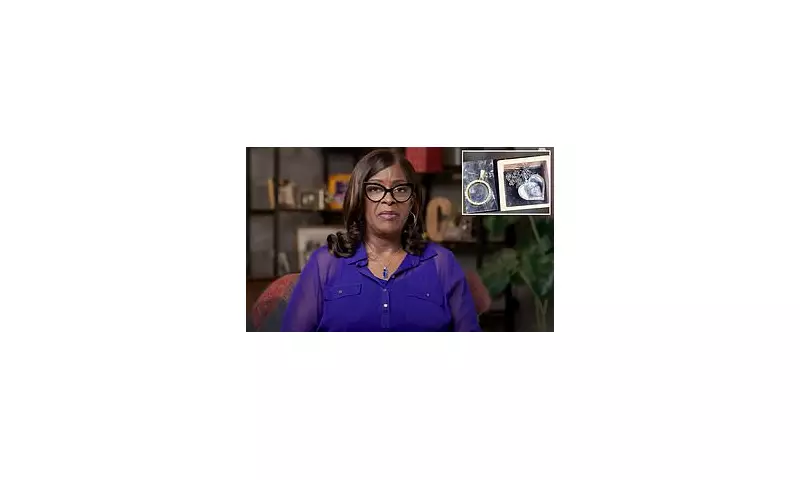
A senior US radiologist, searching for companionship online, was systematically defrauded of more than $1 million in a complex international romance scam known as 'pig butchering'.
The Dream Connection That Turned Into a Nightmare
Jackie Crenshaw, 61, a successful senior manager for breast imaging at Yale New Haven Hospital in Connecticut, felt something was missing from her life. Having focused on her career, she longed for a partner. In May 2023, she joined a black dating website, where she soon connected with a man named Brandon.
Crenshaw was drawn to his 'beautiful blue eyes' and sent him a message. He responded quickly, and an intense digital relationship blossomed. For over a year, they messaged and spoke up to five times daily. The scammer built profound trust, sending thoughtful gifts like jewellery and food deliveries whenever she mentioned hunger.

One poignant gift was a necklace with Crenshaw's picture on one side and a photo purportedly of Brandon on the other. "They really do meticulously work on your emotions to get to you," Crenshaw later told reporters.
The Cryptocurrency Trap and Fake Returns
After establishing deep emotional reliance, the scammer introduced an investment opportunity. He claimed to have become a cryptocurrency expert during the pandemic and showed her fake receipts from a company called Coinclusta, alleging he turned $170,000 into $2 million.
Persuaded, Crenshaw invested $40,000 from her retirement savings. Shortly after, she received a cheque for $100,000, presented as her investment return. This cheque was the first red flag; it was written by a woman in Florida. Although police initially dismissed her concerns and the issuing bank said the account was legitimate, Crenshaw remained uneasy.
She later discovered the Florida woman was another victim of the same scam. Despite her suspicions, the fraudster's continued manipulation and fake financial statements convinced her to keep sending money, eventually totalling around $1 million. She even took out a $189,000 loan against her home.
The Unmasking and Devastating Aftermath
The scam unravelled in June 2024. An anonymous caller with a 'thick Indian accent', who told police he felt bad for Crenshaw, tipped them off. When she confronted 'Brandon', he denied everything. He then retaliated by using her stolen personal information to apply for loans and credit cards.
Connecticut State Police traced one of the scammer's e-wallets to China and another to Nigeria, highlighting the international nature of the crime. This 'pig butchering' scam, also termed financial grooming, left Crenshaw with no recourse to recover her stolen life savings.
Now, Crenshaw is working with Connecticut Attorney General William Tong and the AARP to raise awareness, particularly for those over 60. Official data reveals the scale of the problem: in 2024, Americans reported 859,532 internet crime complaints leading to $16.6 billion in losses. For adults aged 60+, 147,127 complaints resulted in $4.86 billion lost, with 7,626 romance scams costing $389 million.
Authorities urge the public to follow critical safety tips to avoid such scams:

- Insist on an in-person meeting in a public place before committing emotionally or financially.
- Never send money or gifts to someone you have only met online.
- Perform a reverse Google image search on photos you receive.
- Always consult a trusted financial advisor or family member if someone online asks for money.





