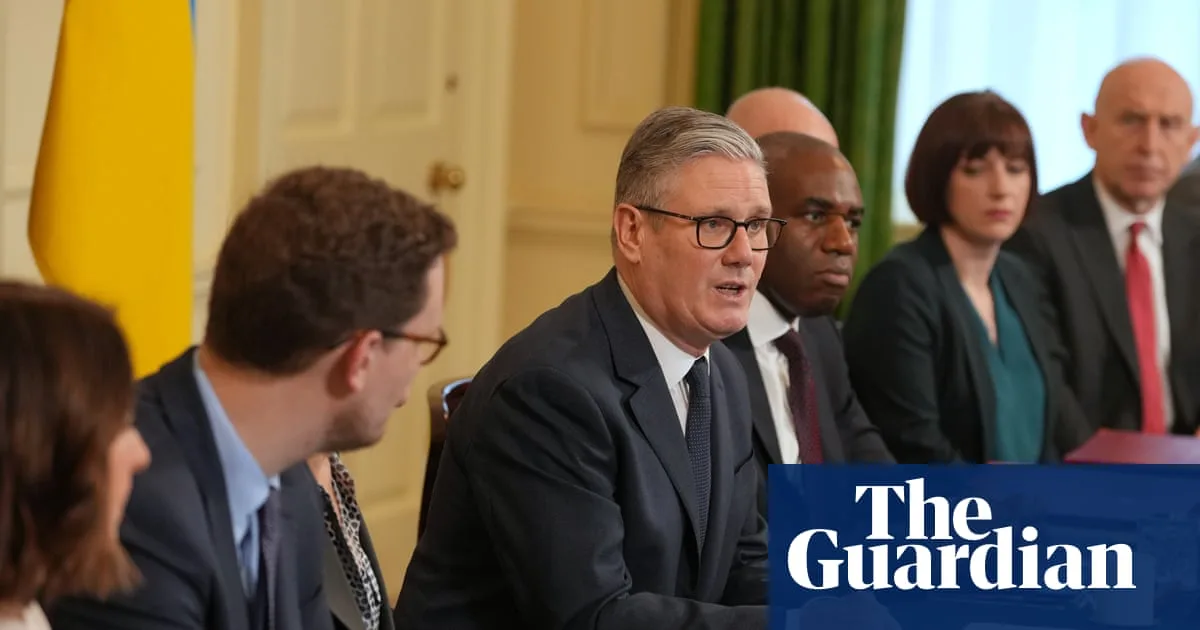
Cabinet ministers are studying a radical economic blueprint that proposes devolving tax powers to mayors, scrapping national insurance, and overhauling property taxes. The report, circulated among dozens of Labour MPs, warns that without a major rethink, the failure to tackle cost-of-living discontent could hand the next election to a hard-right government.
The document, provisionally titled the Beveridge Report for the Economy, argues that the British economy rewards grifters and exploitation rather than hard work. It says voter anger stems from the belief that hard work and 'doing the right thing' leave many feeling cheated. The report was prepared by the Labour Growth Group and the Good Growth Foundation thinktank.
Several potential Labour leadership candidates have requested to see the report. Advisers to Wes Streeting, Angela Rayner, and Andy Burnham have engaged with the work. The paper is expected to be formally launched after the May elections, when Keir Starmer may face a leadership challenge.

The report proposes expanding fiscal devolution for mayors, including business rates and borrowing powers. It also suggests overhauling the tax system by abolishing employee national insurance, reforming council tax, and moving towards a land value tax. Additionally, it recommends significant tax breaks for founders and entrepreneurs.
A Labour source said: 'The problem with the answers coming from the populists isn't that they're not sensible, it's that they're not radical enough. Price controls and handouts accept the premise that things can't be fundamentally changed. The truly radical thing is taking on why the system is broken in the first place.'