OBR Warns Iran Conflict Could Drive UK Inflation to 3% by Year-End
In a significant economic warning, the Office for Budget Responsibility (OBR) has cautioned that the ongoing conflict involving Iran could propel UK inflation to three per cent by the close of the year, should current elevated oil and gas prices persist. This forecast presents a substantial challenge for Chancellor Rachel Reeves, who has anchored her economic plan on inflation descending to the Bank of England's two per cent target.
"Significant and Completely Unwelcome" Impact on Prices
Professor David Miles, a key member of the OBR's budget responsibility committee, delivered this sobering assessment during a session with the Commons Treasury select committee. He indicated that inflation is now projected to be approximately one percentage point higher than the two per cent estimate presented in last week's Spring Statement.
Professor Miles characterised the economic repercussions from the Iran war as "nothing but negative," describing the conflict's effect on UK consumer prices as both "significant" and "completely unwelcome." However, he noted that the scale of energy price increases, while severe, has not yet reached the levels witnessed following Russia's invasion of Ukraine.

"If there's no change in the picture on prices from now on forward, we estimate something like a 1 per cent higher level of consumer prices in the UK by the end of the year," Professor Miles stated. "Right now, if prices don't change from where they are... we think we would end the year not near 2 per cent, but nearer 3 per cent."
He detailed that oil prices are currently about twenty per cent higher than pre-escalation levels, with natural gas prices surging by approximately fifty per cent.
A Major Setback for Chancellor Reeves's Economic Strategy
This revised inflation outlook deals a considerable blow to Chancellor Rachel Reeves, who has consistently argued that her economic policies are effectively steering inflation toward the official target. The OBR's warning emerges alongside other concerning economic indicators under her stewardship.
Other forecasts depict an economy facing headwinds: economic growth is anticipated to decelerate from 1.4 per cent in 2025 to 1.1 per cent in 2026. Concurrently, the unemployment rate is projected to climb from 4.75 per cent in 2025 to a peak of 5.33 per cent. Public sector borrowing is expected to reach 4.3 per cent of GDP, more than double the target level of two per cent, despite a declining trend. Wage growth is also forecast to slow to around 3.5 per cent in 2026 before averaging 2.25 per cent annually.
Political and Household Repercussions
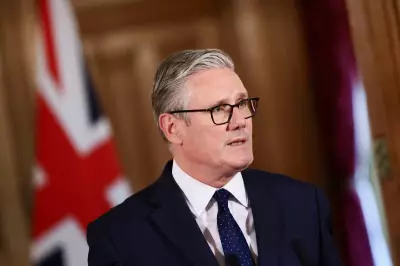
In response to the crisis, Chancellor Reeves addressed the Commons on Monday following an emergency meeting with G7 finance ministers, acknowledging that the war was likely to trigger an increase in inflation. Prime Minister Keir Starmer had previously issued similar warnings about the conflict's impact on the cost of living.
However, during Treasury questions on Tuesday, Ms Reeves declined to outline specific plans to cap potential spikes in energy bills resulting from the war's effect on global oil and gas markets. While stating she "always keeps taxes under review," she resisted calls to cancel a planned five pence increase in fuel duty.
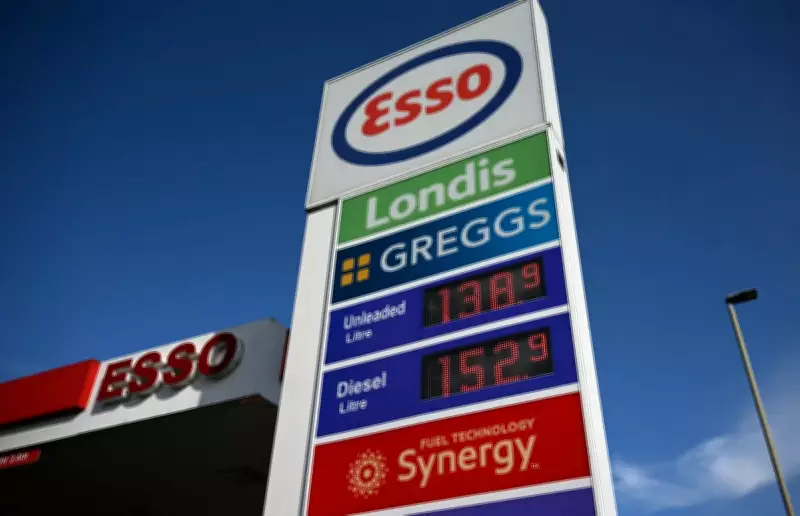
Instead, the Chancellor accused certain petrol retailers of "price gouging," asserting that the government's priority was to prevent companies from exploiting the Middle East conflict to "rip off" consumers. "Yesterday some petrol retailers were charging almost 180p a litre while others charged less than 130p a litre," she noted, vowing to convene with industry representatives this month to "get prices down at the pumps."
Timeline of Impact on Households
Professor Miles explained that the impact of sustained high energy prices would manifest "pretty quickly" for petrol costs, which have "probably moved already." In contrast, the effect on household energy bills would take longer to materialise.

He indicated that households would not feel the full brunt until Ofgem sets its next price cap at the beginning of July. This aligns with recent analysis from Cornwall Insight, which forecasted a potential ten per cent rise in household energy bills from July due to sharp increases in wholesale gas prices.
This projection suggests Ofgem's price cap for July to September could surge to £1,801 annually for a typical dual-fuel household—an increase of £160, or ten per cent, compared to the April cap.
Political Maneuvering and Government Response
The planned fuel duty increase and rising energy costs have become focal points for political opposition. The Conservative Party pursued the issue vigorously in the Commons, while Reform UK leader Nigel Farage joined former minister Robert Jenrick in a forecourt political stunt in Derbyshire to highlight the burden on motorists.
Amidst these challenges, Prime Minister Keir Starmer reassured his cabinet that "no matter the headwinds, supporting families will always be at the forefront of his mind," signalling the government's intent to address cost-of-living pressures despite the complex economic landscape shaped by international conflict.