Kosovo's Economic Woes Deepen Amid Iran War Fuel Price Surge
Kosovo, recognised as one of the poorest countries in Europe, is grappling with significant economic challenges as the war in Iran drives a steep increase in fuel prices, sending ripple effects across this small southeastern European nation. The situation has left businesses struggling and citizens burdened, with government action notably absent compared to measures implemented in neighbouring Balkan states.
Businesses Bear the Brunt of Rising Costs
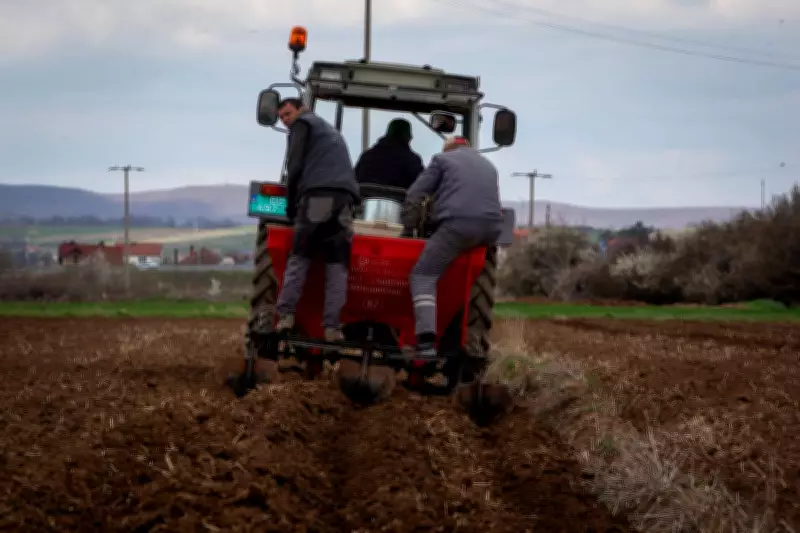
Kushtrim Ajvazi, a manager at Pestova, a company producing potato chips and snacks under the Vipa brand, exemplifies the strain. Operating nearly 100 acres of potato fields in eastern Kosovo, the firm relies heavily on fuel for production and distribution. Ajvazi reported that wholesale fuel prices have surged from 1.10 euros to as high as 1.7 euros per litre, making costs extremely high during the critical spring planting season.
"We are analysing and calculating every additional cost, and if we see that this process of rising costs continues, we will be forced to adjust our prices," Ajvazi stated. The company faces compounded difficulties as around 40% of its production is exported with prearranged, fixed prices, which can only be changed with a 90-day advance notice, making planning nearly impossible without stable pricing.

Government Inaction Contrasts with Regional Measures
While countries like Romania, Hungary, and Serbia have introduced special diesel prices for farmers or reduced state taxes to alleviate the burden, Kosovo's government has yet to respond. The government did not reply to inquiries, and economic experts warn of urgent need for intervention. Economist Safet Gerxhaliu emphasised, "There is not one sector that is not affected by the price increase."
The main opposition Democratic Party has criticised this government inaction, urging temporary tax cuts to support citizens and businesses. Ajvazi echoed this call, noting, "We call on the government to ease this phase for us. We are a company that exports to more than 23 different countries, including those in Europe."
Citizens Feel the Pinch and Broader Economic Context
Ordinary Kosovars are also suffering. Bardh Mehmeti, an IT professional from Pristina, now pays 100 euros for a full tank, up from 80 euros before the crisis, leading him to seriously consider switching to an electric vehicle. This price hike exacerbates Kosovo's longstanding economic struggles, which date back to its 2008 declaration of independence from Serbia—a move Serbia does not recognise, stalling both nations' EU accession bids.
Further complicating matters, a prolonged political crisis left Kosovo without a fully functioning government for much of last year, and the current administration under Prime Minister Albin Kurti is in a stalemate over electing a new president. Kosovo lacks domestic fuel production, with prices set by importers whose profit margin is capped at 12%, leaving the economy vulnerable to external shocks like the Iran conflict.
As fuel and fertilizer costs climb, businesses like Pestova rely on reserves, but uncertainty looms. Without swift government action, Kosovo risks greater economic damage, highlighting the urgent need for policy responses to cushion the impact of global conflicts on its fragile economy.