A think tank has cautioned that the Iran war could impose an £8 billion burden on the government this year through elevated borrowing costs and reduced tax revenues. The Institute for Public Policy Research (IPPR) has called for immediate government action to mitigate the risk of the Middle East conflict inflicting lasting harm on the UK economy and public finances.
Economic Fallout and Borrowing Costs
This warning follows UK government long-term borrowing costs reaching a 28-year high earlier this week, driven by concerns over the war's economic repercussions and political uncertainty surrounding local elections. The IPPR highlights that over a quarter of UK government debt is tied to inflation, which has surged due to soaring oil prices. Without intervention, inflation could climb from its current 3.3% to 5.8%.
Proposed Measures to Curb Inflation
The IPPR suggests several measures for the Treasury and Chancellor Rachel Reeves to dampen the inflationary spike and avert detrimental interest rate hikes. These include:

- A temporary energy price cap set at £2,000 to limit inflation.
- A temporary 10p fuel duty cut to offset rising oil prices.
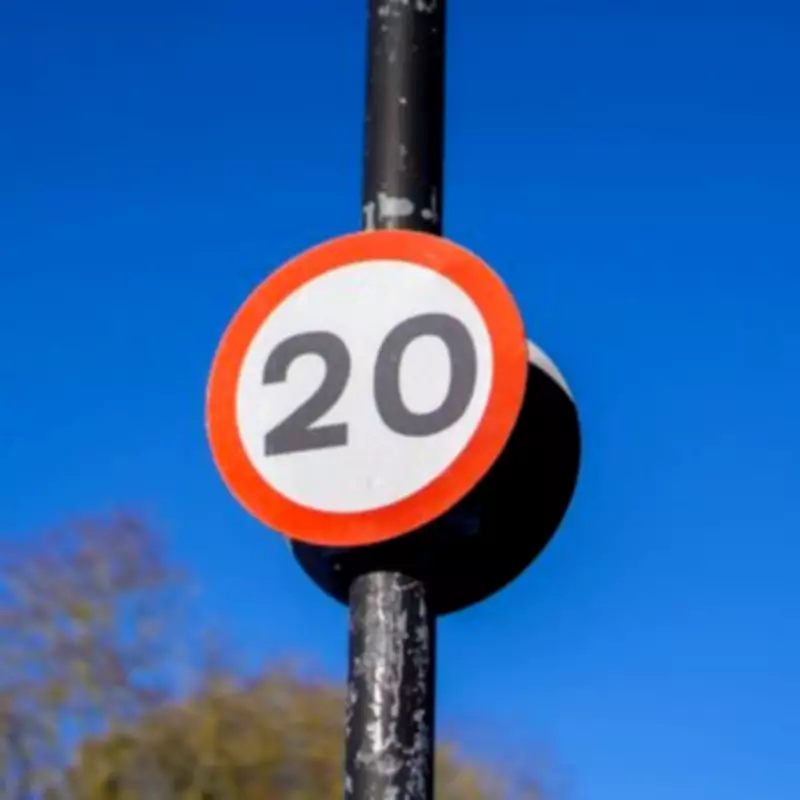
- Reducing speed limits on roads to lower fuel consumption.
- Implementing targeted, progressive tax measures, such as strengthened windfall taxes on energy profits.
The cost of this package is estimated at up to £5 billion annually, depending on the shock's severity. However, the IPPR argues this could be more than offset by savings from lower debt interest costs and preventing an economic slowdown that would reduce tax receipts.
Expert Commentary
William Ellis, senior economist at the IPPR, stated: “The UK cannot afford to sit back and let another energy shock drive up inflation and damage the economy. The UK economy and public finances are expected to take a significant hit from the Iran conflict, regardless of whether the government intervenes. The Bank of England is not well suited to respond, given the lag that it takes for interest rates to influence demand. However, as the Bank set out last week, it is still likely to increase interest rates to guard against second round effects and high inflation expectations – particularly if the conflict escalates. The government can act now where the Bank can’t, with a well-designed policy that acts to cap prices only in the most damaging scenarios. At worst, this would save about as much as it costs – but if permanent damage or sharp interest rate rises are avoided, this could end up saving money.”
Sam Alvis, associate director at the IPPR, added: “A well-designed intervention, that pairs capping prices with clear incentives to reduce energy demand, would not only protect living standards but prevent the need for damaging interest rate rises, and insure against the risk of more severe damage. This is cost-effective, and if permanent damage is avoided, this actually saves the government money. Keeping interest rates lower and investment higher prevents any damage to deploying and using clean energy, the long-term solution to crises like this. The lesson from Liz Truss is clear: it’s not intervention that spooks markets, it’s poor policy design and an ignorance of investors’ concerns. With the right approach, the government can act decisively and responsibly at the same time.”