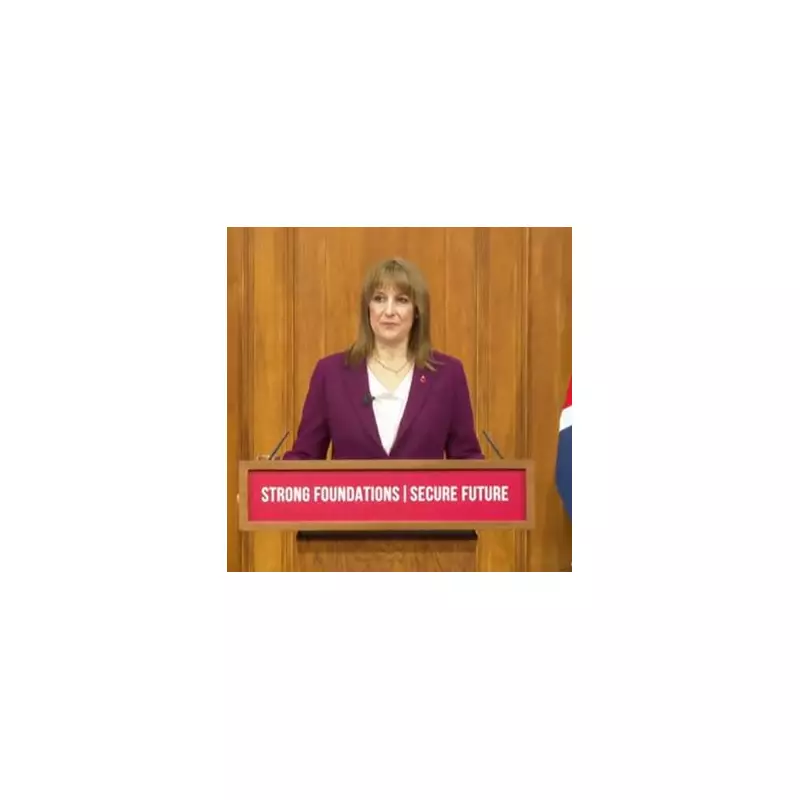
In a significant economic intervention, Shadow Chancellor Rachel Reeves has notably declined to rule out potential tax increases under a future Labour government. The carefully worded statement comes as the party positions itself as the party of fiscal responsibility ahead of the next general election.
Breaking with Conservative Tax Policy
While refusing to make concrete tax commitments, Reeves did confirm several key Labour policies that would reshape Britain's tax landscape. The shadow chancellor pledged to abolish the controversial non-dom tax status, a move that would align the UK more closely with European neighbours.
She also confirmed Labour's intention to impose VAT on private school fees, a policy that has generated significant debate within educational circles and among parents.

Economic Stability as Priority
Reeves emphasised that her primary focus would be delivering economic stability, positioning herself as a 'safe pair of hands' following the turbulence of the Truss premiership. The former Bank of England economist stated that responsible management of public finances would take precedence over political promises.
'My first commitment is to economic stability,' Reeves told political correspondents, carefully avoiding the tax guarantee that has become customary for opposition politicians.
Fiscal Rules and Spending Constraints
The shadow chancellor outlined plans to implement strict fiscal rules that would bind future Labour governments to borrowing only for investment purposes. Day-to-day spending would need to be covered by taxation under her proposed framework.
This approach signals a significant departure from recent Conservative spending policies and suggests a more restrained fiscal stance should Labour form the next government.
Political Reactions and Analysis
Political analysts suggest Reeves' cautious approach reflects lessons learned from recent political history, where unfunded tax promises have backfired. The refusal to rule out tax increases provides future flexibility but opens Labour to Conservative attacks about potential 'tax and spend' policies.
The coming months will likely see intensified debate about Britain's fiscal future as both major parties prepare their election manifestos against a backdrop of economic uncertainty.