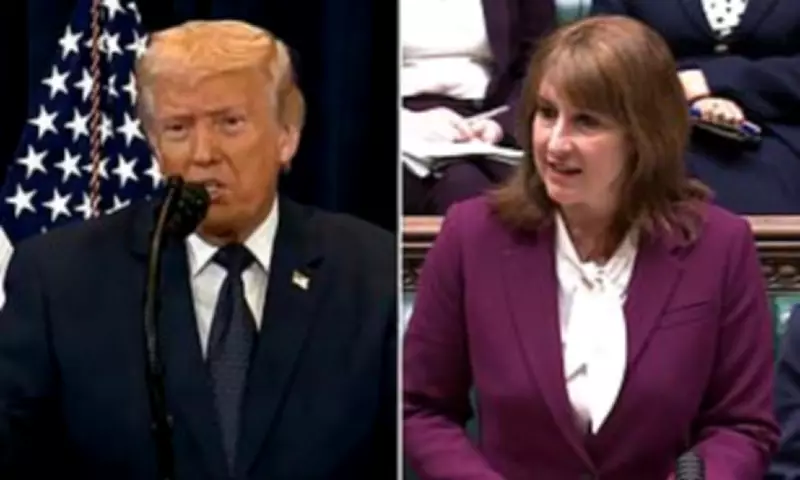
Trump's Middle East Conflict Fuels UK Cost of Living Crisis as Bills Soar
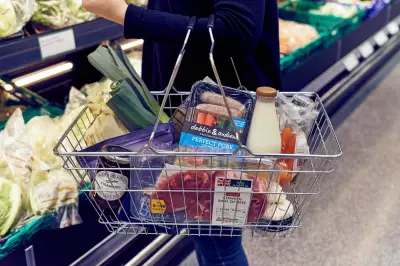
Donald Trump's military campaign in the Middle East has plunged Britain to the brink of a renewed cost of living crisis, with petrol, energy, and mortgage bills escalating rapidly. As oil prices skyrocketed close to $120 per barrel before retreating below $90, concerns mounted that already strained British households will bear a heavy burden from the US President's aggressive foreign policy.
Immediate Impact on Household Finances
The cost of refuelling a car has surged dramatically over the past week, while gas prices have also climbed steeply. Experts warn that annual energy bills could exceed £2,000 by summer, compounding financial pressures on families. Mortgage lenders have hastily withdrawn their most favourable deals, potentially initiating a 'snowball' effect that exacerbates difficulties for borrowers across the nation.
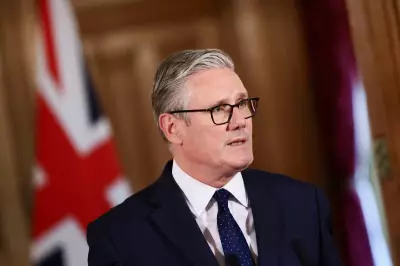
Chancellor Rachel Reeves addressed the Commons, stating the crisis is 'likely to put upward pressure on inflation', with analysts forecasting it may reach as high as 5 percent. Prime Minister Keir Starmer emphasised, 'The longer this goes on, the more likely the potential for an impact on our economy, impact into the lives and households of everybody and every business.'

Economic and Political Ramifications
The prospect of heightened inflation has dashed hopes for a Bank of England interest rate cut this year and increased the likelihood of rates rising instead. This development deals a significant blow to Labour's strategy of revitalising its political fortunes by prioritising cost of living issues. In her recent Spring Statement, Chancellor Reeves pledged to control inflation and reduce fuel bills, but both objectives now appear increasingly unattainable.
Government borrowing costs have risen sharply, raising the spectre of additional tax increases. Despite criticism of Britain's military response to the crisis, Ms Reeves is resisting pressure to boost defence spending, deferring any decisions until a spending review scheduled for summer next year. She also faced Tory accusations of 'gross mismanagement' for allowing inflation and borrowing to spiral out of control.
Market Turmoil and Expert Warnings
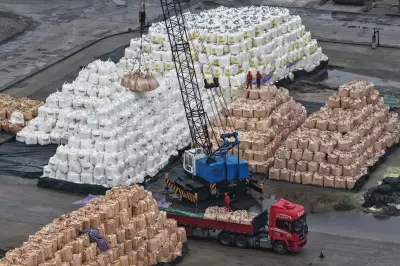
The attack on Iran shocked global markets, sending gas and oil prices soaring last week. The conflict has effectively closed the Strait of Hormuz, a critical sea lane through which one-fifth of the world's oil passes. This disruption has prompted some Gulf states to halt oil production due to depleted storage capacity, while gas facilities have also been affected.
Susannah Streeter from Wealth Club commented, 'Consumers are paying the price for the audacious attack by the US and Israel on Iran.' Sanjay Raja of Deutsche Bank noted, 'This certainly feels like another wave in the ongoing cost of living crisis.' Martin Beck, chief economist at WPI Strategy, warned that the economy 'could stagnate or even slip into recession'.
Price Surges and Future Projections
Brent crude oil prices spiralled to as much as $119.50 per barrel before fluctuating below $90 in volatile trading. This marks the first time oil has surpassed $100 since 2022, following Russia's invasion of Ukraine. Goldman Sachs analysts indicated that the current disruption to oil supply is 17 times greater than during that period.
European gas prices have surged to $170 per therm, more than double their pre-conflict levels. The RAC reported petrol prices have increased by 5p per litre and diesel by 9p since the crisis began. Although household energy bills are capped until June, a new cap will then apply, potentially pushing annual bills above £2,000 and negating Chancellor Reeves' efforts to reduce them.
Rising government borrowing costs could erase up to £10 billion of Ms Reeves' £24 billion 'headroom', further straining public finances. President Trump dismissed the oil price surge as a 'very small price to pay', asserting that 'only fools would think differently'. He vowed to prevent Iran from disrupting global oil supplies, stating, 'I will not allow a terrorist regime to hold the world hostage and attempt to stop the globe's oil supply, and if Iran does anything to do that, they'll get hit at a much, much harder level.'