Dozens of councillors have left Reform UK over the past year, with almost 70 departing since last May's local elections. While Nigel Farage heralds a year of growth in councillor numbers, the party faces a challenge in retaining them. Alex Ross speaks to some of those who have left and asks why.
From victory to turmoil
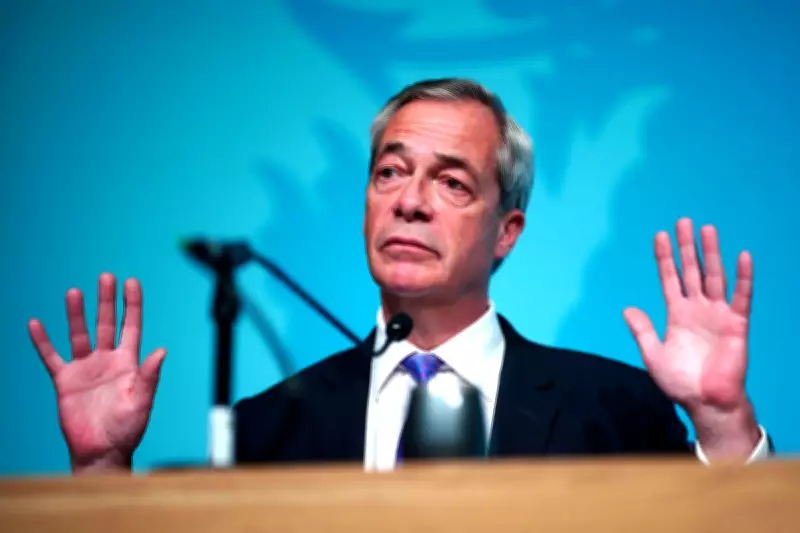
Last May, Nigel Farage declared Reform UK the main opposition party after sweeping victories in England's local elections, winning 677 council seats and taking control of over 10 councils. The party promised to scrap net zero, target wasteful spending, and fix potholes. However, problems soon emerged as the party took over local authorities with multimillion-pound budgets.
Just days after the election, Reform councillor Donna Edmunds was suspended over a social media post in Hodnet, Shropshire. Soon after, Warwickshire councillor Luke Shingler switched to independent due to his undisclosed sensitive work, and Nottinghamshire councillor Desmond Clarke stepped down nine days after the elections due to personal circumstances. In Durham, Andrew Kilburn resigned a week after being elected for failing to declare his employment at the local authority. A month later, Daniel Taylor, 35, who won a seat in Kent, was suspended amid a police investigation and later jailed for coercive behaviour.

Departures mount
In the 12 months since, 68 councillors have left Reform. While other parties have also seen defections—Labour lost 289 councillors and the Tories 234—Reform's losses account for 9% of its 810 councillors from a year ago. The party now has 991 councillors, a 22% increase, but the churn highlights retention issues.
Nowhere has seen more departures than Kent County Council, where Reform won 57 of 81 seats. Ten of those councillors have gone. Leader Linden Kemkaran faced pressure over a £700m debt and was filmed swearing at a party meeting.
Councillors speak out
Amelia Randall, the first Reform councillor to leave Kent, said: "Reform was no longer about real people making a difference, but about building the Tory 2.0 party." Former Durham councillor Nick Brown added: "We all turned into Nigel's yes-men—ordered to be on best behaviour to help him get to power." He resigned after being told to vote for a 3.1% council tax rise, contrary to party pledges.
In Worcestershire, David Taylor quit on air over a 9% council tax rise plan. In Doncaster, Nicola Brown left because she was asked to vote for a £57m loan to reopen an airport without full facts. She said: "As a Reform councillor, your voice goes through a party media machine."
National vs local tensions
In Cornwall, leader Rob Parsonage resigned in November, citing pressure from party HQ to deliver change despite lacking a majority. He said: "We were being sent orders from above—they wanted us to vote down everything net zero and fight DEI." In Warwickshire, leader George Finch, aged 19, survived a no-confidence vote by one vote after a Pride flag dispute. Two councillors, Luke Cooper and Scott Cameron, defected to Restore Britain, a party set up by ex-Reform MP Rupert Lowe.
Jack Goncalvez, who left Reform in North Northamptonshire, posted: "Reform has reneged on its founding purpose, instead seeking to court the very establishment it claims to oppose." Many defectors have joined Restore Britain, Advance UK, or the Conservatives.
A Reform UK spokesperson said: "Churn amongst councillors is normal. Labour and the Tories have lost far more. Meanwhile, Reform councils continue to deliver, making over £700m in efficiency savings and delivering the lowest average council tax."