British Antarctic Survey Launches Recruitment Drive for Adventurous Workers in Extreme Polar Conditions
The British Antarctic Survey (BAS) has launched an extensive recruitment campaign seeking individuals willing to embrace one of the planet's most challenging work environments. The organisation is looking to fill numerous positions at its remote research stations across Antarctica, offering a unique career opportunity for those undeterred by extreme cold and prolonged darkness.
Diverse Roles Available in Isolated Research Communities
The initial batch of vacancies, now advertised on the BAS official website, includes several specialised technical positions essential for maintaining operations in this hostile environment. Available roles encompass Agricultural Plant Operator, Diesel Power Generation Technician, Boating Officer, Diving Officer, Meteorological Observer, and Radio Operator.
Over the coming three months, BAS plans to advertise additional vacancies across various support functions. These will include chefs, station leaders, zoological field assistants, alongside more traditional trades such as plumbers, carpenters, and mechanics. Mike Brian, operations manager for the Rothsera Research Station, emphasised the community aspect of these roles: "If you think about what it takes to keep a community going – plumbers, carpenters, mechanics, engineers, chefs – there's a job for that. The people working on our stations are ordinary people, often doing an ordinary job – just in an extraordinary place!"

Attractive Financial Package Amidst Extreme Environmental Challenges
Successful applicants will benefit from a compelling employment package, with salaries commencing at £30,244 per annum supplemented by a comprehensive benefits arrangement. Contracts offer flexibility, ranging from six to eighteen months duration. Crucially, BAS covers all essential living costs, eliminating financial burdens typically associated with relocation.
The organisation confirms: "Accommodation, food, travel, specialist clothing, tools and training are all provided." This comprehensive support system allows employees to focus entirely on their roles without worrying about basic necessities in one of Earth's most inhospitable regions.
Confronting Antarctica's Formidable Climate Realities
Prospective applicants must seriously consider the environmental extremes characterising Antarctic life. The continent experiences complete darkness for half of each year, while temperatures can plummet to a staggering -89.2°C (-128.6°F) during fierce blizzards. These conditions demand exceptional resilience and adaptability from all station personnel.
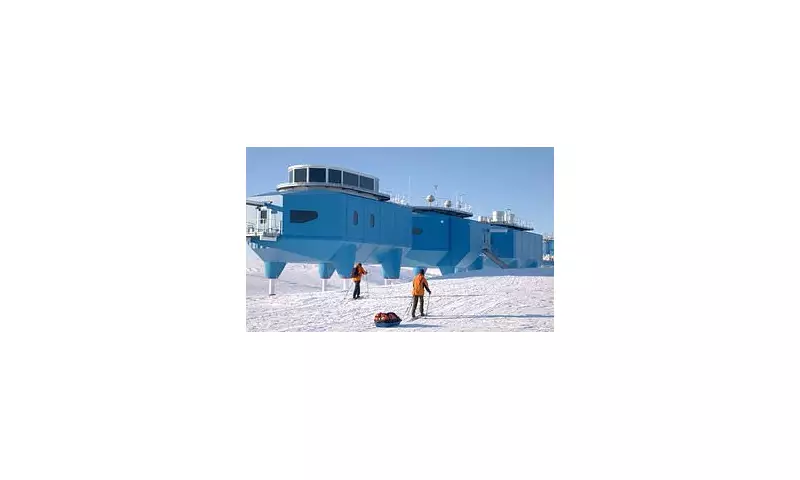
Phill Coolman, a carpenter stationed at Halley VI Research Station who has returned for six consecutive seasons, shared his perspective: "Being a carpenter in Antarctica requires adaptability and teamwork. I've gained skills here that I've carried back to the 'real world' and done things I never thought I would get the chance to do. Halley is not only a station and a team, it's a home and a family, and we all work together to keep the station and science running, even when the weather has other ideas!"
Practical Survival Insights from Antarctic Residents
Understanding daily life in such extreme conditions can be difficult for outsiders. Social media content creator Matty Jordan (@marrykjordan) regularly shares TikTok clips documenting South Pole existence, offering practical survival advice for prospective workers.
His guidance highlights several non-negotiable precautions:

- Leaving food or drinks outdoors is strictly prohibited, as items freeze almost instantly
- Layering clothing is essential: at least three thick layers at -43°C, increasing to five layers below -50°C
- Essential gear includes Extreme Cold Weather jackets, double glove layers, insulated hats, specialised boots, and protective goggles
Jordan explains: "Many people have asked if we have big jackets to keep us warm but the most effective thing you can do to prepare for cold weather is to layer really well. The thermal base layer is probably the layer you want to get right. We wear merino base layers."
For those intrigued by this extraordinary career opportunity, further details about available positions and application procedures can be accessed through the British Antarctic Survey's dedicated recruitment channels.