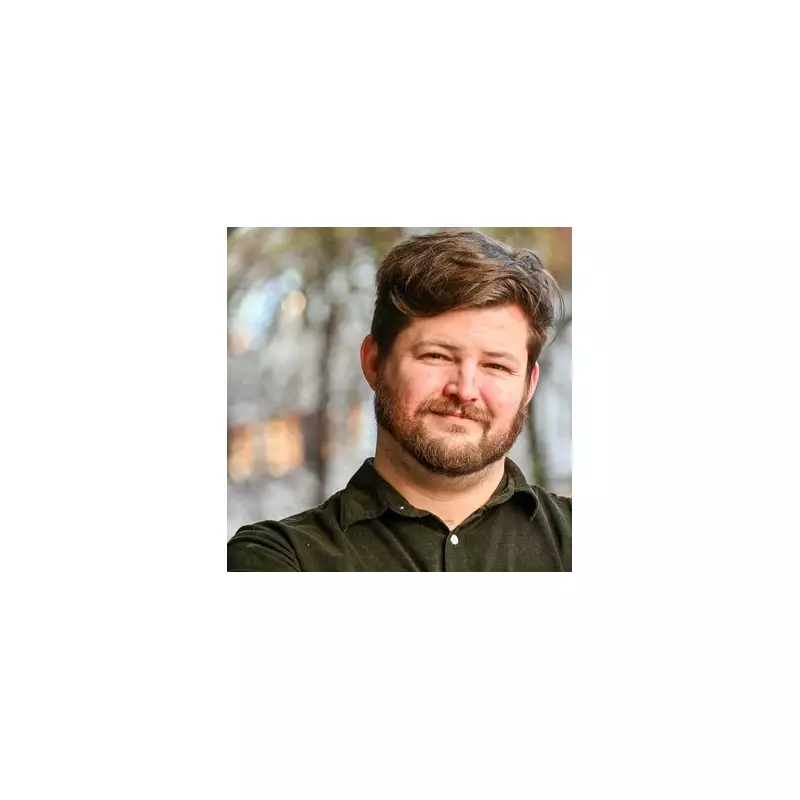
Hospitality Worker Dismissed Repeatedly After Brain Injury Alters Behaviour
A man from Gloucester has been dismissed from multiple positions in the hospitality industry following a catastrophic brain injury that left him with what he describes as having "no filter" when communicating with colleagues.
Nicholas Atherton, aged 33, suffered severe head trauma during a car accident ten years ago, which fundamentally changed his personality and social inhibitions. The injury occurred while he was driving home after an extended workday, leading to extensive rehabilitation at Frenchay Brain Injury Rehabilitation Centre in Bristol from December 2015 until January 2017.
The Unintended Consequences of Traumatic Brain Injury
Medical experts confirm that Chronic Traumatic Encephalopathy (CTE) and similar brain injuries can manifest in numerous ways, with disinhibition being a recognised symptom alongside mood fluctuations, personality alterations, memory difficulties, confusion, impaired judgement, speech issues, and physical unsteadiness.

For Nicholas, this medical reality translates into workplace challenges where he unintentionally makes comments that colleagues find inappropriate or offensive. "Lack of inhibition is a recognised symptom of brain injuries," Nicholas explained. "My brain thinks of things to say and I have no inhibition so I just say them."
Incidents That Led to Dismissal
In his most recent position at a restaurant, Nicholas faced complaints after referring to colleagues in a relationship as "cuddle buddies" and saying "good girl" to a younger coworker who assisted him. Another complaint arose when a supervisor interpreted his eye-rolling as disrespectful during instructions, though Nicholas maintains this was his method of processing information without distraction.
Despite disclosing his condition during job interviews and being described as a "wizard" at customer service roles, Nicholas has consistently faced disciplinary action leading to termination. After appealing his latest dismissal, his employer acknowledged not following proper procedures but upheld their decision to remove him from the workplace.
Systemic Failures in Workplace Support
Nicholas and his mother, Ann Atherton, 69, argue that employers consistently fail to educate staff about brain injury symptoms after being informed during hiring processes. "They weren't interested enough to learn and to educate their staff as to what it was," Ann stated. "They were just allowed to take offence without realising that Nick wasn't meaning anything."
Charity organisation Headway Gloucestershire, which has supported Nicholas, emphasises that employers have responsibility toward all employees. CEO Julie Reader-Sullivan told the BBC: "It's not about saying, 'forgive that person because they are saying something inappropriate'. It is about saying if this happens, this is what you should or shouldn't do."
The Personal Impact and Ongoing Struggle
The repeated dismissals have significantly affected Nicholas's self-esteem and employment prospects. Having relearned basic functions like walking after his accident and bearing a prominent head scar, he remains passionate about hospitality work but has been limited to zero-hour contracts.
"I just have to live with it because I can't go in and grab them and say 'give me a job'," Nicholas admitted. "Quite sadly I am just used to this now. But I am good at what I do, I am not just worthy of collecting glasses."
When not seeking formal employment, Nicholas occasionally assists at The Imperial Inn in Gloucester, where he serves drinks behind the bar. Both he and his mother hope that increased awareness will lead to more compassionate understanding from future employers.
Headway produces identification cards explaining how brain injuries affect individuals, which Nicholas hopes might facilitate better workplace integration for others with similar conditions.