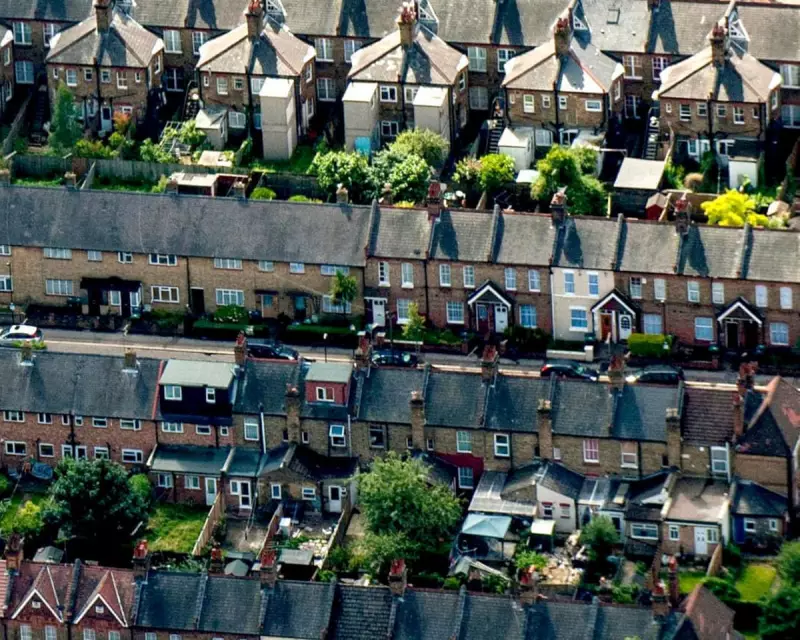
Renters' rights groups have expressed profound anger following the government's decision to delay the implementation of a decent homes standard for private rented properties until 2035. This move has been met with widespread condemnation from campaigners who had advocated for a more urgent deadline of 2030, labelling the deferral as a denial of basic living standards for tenants across the UK.
Government's Timeline Sparks Campaigner Backlash
The government's commitment to ensuring private rented homes are fit for habitation will not be enforced for nearly a decade, a timeline described as "absurd" by housing advocates. Despite ministerial promises to introduce robust standards to address issues such as disrepair, damp, and energy inefficiency, landlords now have until 2035 to comply with the new decent homes standard, which forms part of the Renters' Rights Act.
Campaigners Decry Impact on Renters
Ben Twomey, chief executive of Generation Rent, voiced strong criticism, stating, "It is absurd to let landlords drag their feet for an entire decade, denying renters the most basic standards in our homes. This delay will trap millions of renters, including children, in poor-quality, hazardous living conditions with limited recourse." He emphasised that homes serve as the foundation of daily life, yet many renters are forced to reside in properties that are deteriorating and pose significant health risks, all while facing soaring rental costs.

Statistics Highlight Widespread Housing Issues
Recent data underscores the urgency of the situation. The English Housing Survey from 2020-21 revealed that 21% of privately rented homes failed to meet the decent homes standard, with 12% containing category 1 hazards that present serious safety threats. Additionally, the Health Foundation reports that one in five private rented homes are classified as "non-decent," meaning they harbour hazards, are in disrepair, or lack proper insulation and heating.
Historical Context and Government Justification
While the private rented sector currently lacks a formal decent homes standard, a similar standard for the social rented sector was introduced in 2001 with an enforcement deadline of 2010, though some local authorities received extensions. Housing minister Matthew Pennycook has defended the 2035 timeline, arguing that it "broadly aligns with the nine-year implementation period that accompanied the original introduction of the DHS in the social rented sector."
Broader Implications for Housing Policy
This delay raises significant concerns about the government's prioritisation of rental reform and its impact on public health and economic fairness. Campaigners warn that postponing action could exacerbate existing inequalities, leaving vulnerable populations, including families and low-income earners, in unsafe environments for years to come. The decision also highlights ongoing tensions between tenant advocacy groups and policymakers over the pace of legislative change in the housing sector.
As the debate continues, renters' rights organisations are calling for renewed pressure on the government to accelerate the timeline and ensure that all tenants have access to safe, decent, and affordable homes without further delay.