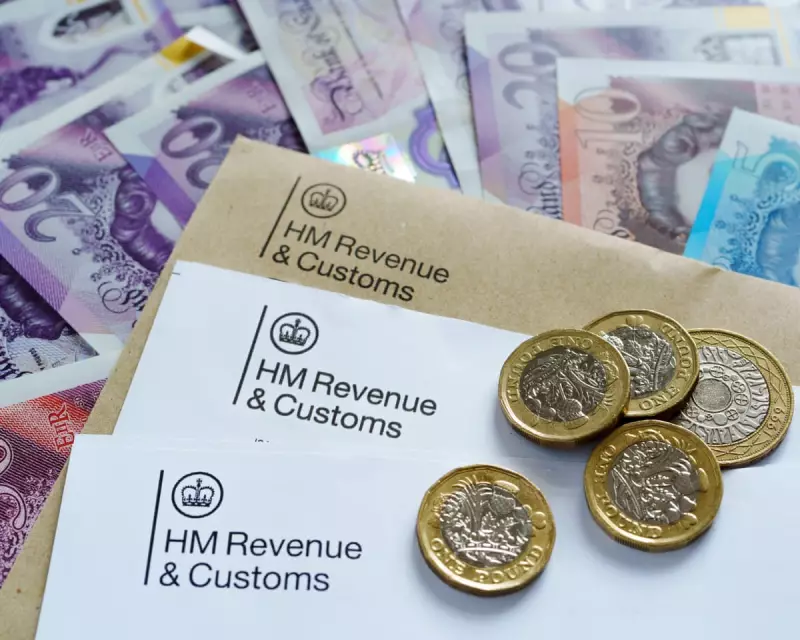
For UK taxpayers, the news of being owed a tax rebate from HM Revenue and Customs (HMRC) should be a welcome financial boost. However, a growing crisis of processing delays means that actually receiving that money has become a protracted and stressful ordeal, with some individuals waiting more than a year for their refund.
Significant Backlogs and Personal Hardship
An investigation has revealed that refunds for overpaid income tax and National Insurance contributions (NICs), which were once processed in weeks, are now taking ten months or longer. The Institute of Chartered Accountants in England and Wales (ICAEW) has pointed to "significant backlogs" that are negatively impacting both businesses and individuals.
Lindsey Wicks, a senior technical manager at ICAEW, stated that HMRC's own service updates show it is still processing repayments for tax from employment or pensions dating back to January 2025, while self-assessment repayments from March 2025 remain outstanding. The institute argues that efforts should be concentrated on clearing this old backlog rather than prioritising responses to new correspondence.

The human cost of these delays is severe. Self-employed construction worker Simon Hughes* and his wife have been unable to afford a honeymoon as they wait for a £4,550 rebate claimed in April last year. He was reportedly told he could be waiting until July 2026. "When people owe it money, they get fined for late payment, but when it owes money, it can take as long as it likes without penalty," he said.
Pensioners Abroad and Multiple Job Holders Affected
The problem is particularly acute for British pensioners living overseas who claim refunds under double taxation treaties. Jill Eden*, 83, who lives in the Netherlands, had to borrow money while waiting for a £48,000 rebate, submitting her claim last April. She expressed fear that HMRC might be exploiting her age, wondering if the department believes it can hold onto the money longer if she passes away.
Similarly, Jane Leigh* in France is still waiting for a £78,000 pension-related refund that was approved in September, seven months after her claim. She has been repeatedly told a cheque was sent, only to be given new reasons for its non-arrival and asked to wait another six weeks for progress.
Employees with more than one job are also facing long waits for NICs refunds. Kabir Das, who works across NHS departments, expected his refund last April but was told it would not be processed until this September. University professor Linda Ashcombe*, who holds two roles, is overdue a £1,000 refund requested in April, after 15 years of receiving repayments within six weeks. Her case tracker initially indicated a resolution by November, then March 2026.
HMRC Response and Compensation Disparity
HMRC has acknowledged the delays, apologising to those affected. A spokesperson said the department receives millions of claims annually and that the majority are paid promptly. It added that it is investing £500 million in digital services to speed up refunds and help customers pay the correct tax upfront, reducing the need for future rebates.
Following contact from journalists, HMRC stated it would investigate the specific cases highlighted, and most have now received their refunds. However, a stark disparity remains in how late payments are treated. Taxpayers who pay late face interest charges at the Bank of England base rate plus 4% (currently 7.75%). In contrast, when HMRC is late paying a rebate, it is only liable to pay interest at a rate of 1% below the base rate.
The ongoing delays underscore a systemic issue within the UK's tax authority, leaving thousands in financial limbo and eroding public trust in its efficiency and fairness.