

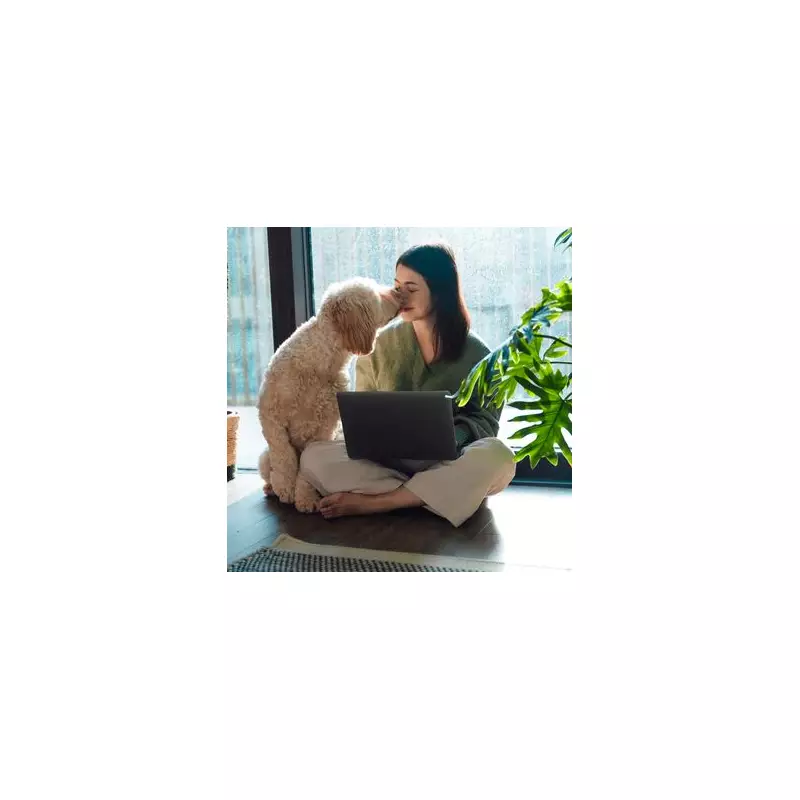
For many across the UK, the shift to remote work promised a better work-life balance, but for pet owners, it introduced a unique challenge: a furry colleague who doesn't respect deadlines. A recent online discussion has highlighted the common struggle of balancing professional duties with a pet's demand for attention, sparking a wealth of practical advice from experienced owners.
The Remote Worker's Dilemma: When Your Dog Becomes Your Colleague
In December 2025, a Reddit user who had recently started a remote role reached out to the online community with a familiar problem. They explained that their dog, which they had assumed would be the perfect companion, instead seemed to disagree with their meeting schedule. The pet became bored, followed them constantly, dropped toys at their feet, and got into mischief the moment they tried to focus on work.
The user wrote, "I feel bad because they're used to more attention and stimulation, but I also need to actually get work done." This heartfelt post resonated with countless others, prompting a flood of supportive suggestions on how to manage a pet's expectations during the workday.

Establishing Boundaries and Building a Routine
The consensus among seasoned remote workers was clear: establishing physical and temporal boundaries is essential. One user explained that they and their partner treat their home offices as out-of-bounds zones during work hours, using closed doors or baby gates. This helps signal to the pets that it is time to rest, not play.
"Once they get into the routine, it's easier to let them nap in the office with you occasionally. There will be a learning curve though!" they advised. Many echoed that a consistent new routine was the foundation for success. A key component for several was a long walk before the workday begins, ensuring the dog is physically tired and more inclined to settle.
Another contributor emphasised the importance of teaching a dog to relax, rather than constantly seeking to entertain it. "Your dog should not be entertained while you are working, it should be resting," they pointed out. "If the dog is physically and mentally stimulated enough, it should be no problem for it to relax all day when working."
Success Stories: Pets Who Learned the Schedule
Several users shared encouraging examples of how their pets had fully adapted. One detailed a structured day where the dog goes out in the morning, sleeps during work, is fed on a break, and enjoys playtime at lunch. "She pretty much snoozes the rest of the day or looks out her window," they said, noting the dog only becomes attentive in the last 20 minutes before finishing time.
Perhaps the most amusing adaptation came from a user whose dog learned to recognise the sounds of their digital workplace. "She learned the notification sounds of the calendar, Teams, and Slack and just avoids me," they explained. After an initial period of seeking attention, the dog concluded its owner was boring during those hours and chose to leave them alone.
The overarching lesson from the discussion is that with patience, clear boundaries, and a solid routine, it is entirely possible to achieve a harmonious work from home environment with a pet. The transition requires understanding that your dog's behaviour is based on learned patterns, and with consistent training, they can become the calm, supportive colleagues remote workers truly need.






