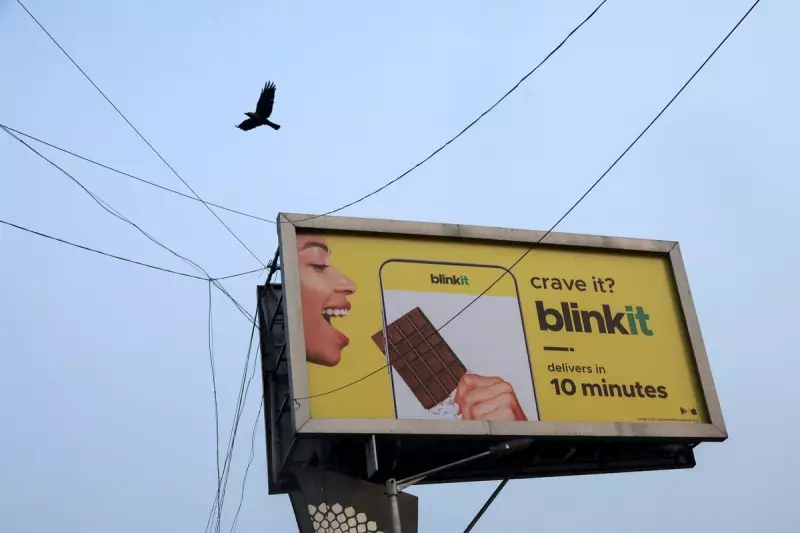
Major Indian rapid-delivery firms have begun scrubbing promises of '10-minute delivery' from their apps and marketing materials. This significant shift follows direct intervention from the Indian government, which raised serious concerns that such aggressive time targets were endangering the lives of delivery riders.
Government Steps In After Nationwide Strikes
The move came after closed-door meetings between the country's labour ministry and executives from leading quick-commerce platforms, including Blinkit, Swiggy, Zepto, and Flipkart. These discussions were prompted by widespread industrial action last month, where thousands of delivery drivers walked out to protest unsafe working conditions and low pay.
According to Indian media reports, the ministry urged companies to halt the promotion of unrealistically tight delivery deadlines, arguing they incentivised dangerous behaviour on India's often chaotic roads. While no formal penalties for non-compliance were announced, the message was clear.

In response, Blinkit, owned by Zomato, has altered its public messaging. Its famous 10-minute pledge has been replaced with a focus on product range. Similarly, Swiggy and Zepto have dropped such claims, and Walmart's Flipkart has removed fast-delivery language from its grocery platform.
Worker Safety Versus 'Marketing Tools'
Labour minister Mansukh Mandaviya reportedly told company leaders that these promises directly compromised "workplace safety". The companies countered that the claims were largely marketing tools but agreed to remove them from advertisements and app interfaces.
Gig worker advocates hailed the decision. Shaik Salauddin, of the Indian Federation of App-Based Transport Workers, called it a "significant and much-needed step". He stated the 10-minute model had fostered "dangerous road behaviour, extreme stress and unsafe working conditions" for riders.
The pressure on workers was vividly illustrated by anonymous testimonies. One rider told NDTV about being humiliated for a five-minute delay and having a minor accident while fielding customer calls. "I was too scared they would complain," the rider said.
The Human Cost of Hyper-Speed Commerce
The sector, valued at around $11.5 billion, boomed post-pandemic, using neighbourhood 'dark stores' to fulfil orders in minutes. As competition intensified, delivery windows shrank, placing immense strain on the workforce.
For many, this work is not a side hustle but a primary income. Mobin Alam, a 23-year-old rider, explained to the BBC that missing a deadline meant penalties or fewer orders. Despite working over 12 hours daily, he earns barely 20,000 Indian Rupees (£165) a month. "I have no choice," he said.
Author Vandana Vasudevan noted that while classified as independent contractors, riders are "deeply dependent on the platform's algorithms to earn a living".
Will Speedy Deliveries Actually Slow Down?
Despite the branding change, the core service is unlikely to decelerate drastically. In some areas, apps still show delivery times under ten minutes. Analysts like Karan Taurani of Elara Capital see the move as "optics-driven rather than business-altering", with speed remaining a key selling point.
Companies maintain that fast deliveries are achieved through sophisticated logistics, not rider pressure. Blinkit's founder, Deepinder Goyal, defended the model online, claiming an average rider speed of just 15 kmph.
Reactions from workers are mixed. Some hope it reduces pressure during traffic delays. Others remain sceptical. An unnamed Blinkit rider told India Today: "The words may have changed, but the task and expectations are still the same." The debate over the true cost of instant gratification in India's booming quick-commerce market is far from over.