Major US Meatpacking Strike Set to Begin at JBS Plant
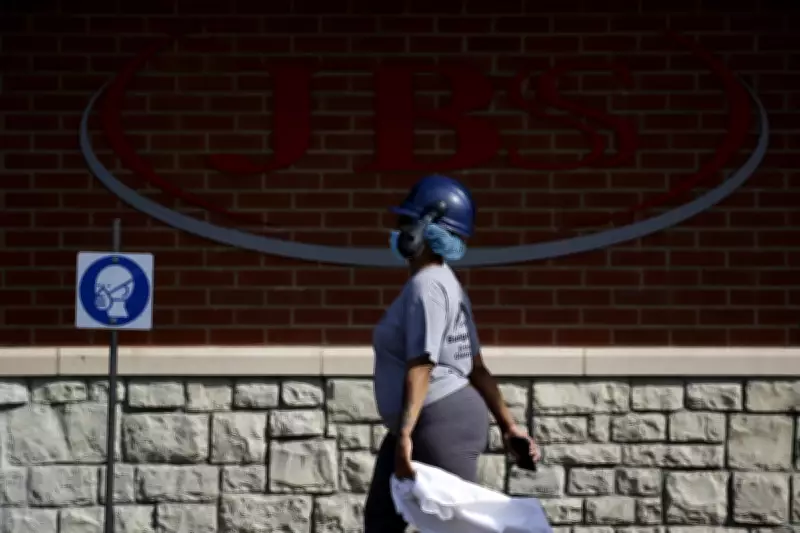
Approximately 3,800 workers at JBS USA, the world's largest meat producer, are preparing to strike on Monday, marking the first labor strike in the US meatpacking industry in decades. This walkout could exacerbate strain on meat prices, with ground beef costs having surged by 15% last year, and poses challenges for the Trump administration amid ongoing concerns over the cost of living.
Background of the Labor Dispute
The strike authorization was overwhelmingly supported by 99% of workers represented by United Food and Commercial Workers Local 7, following nine months of failed negotiations for a new contract. Kim Cordova, president of UFCW Local 7, emphasized that this will be the first strike ever at the Greeley, Colorado, beef processing plant, noting the industry's history of avoiding such actions due to a vulnerable workforce.
Workers allege that JBS has forced them to pay for expensive personal protective equipment out of pocket, discriminated against immigrant employees, and attempted to impose low-ball contract terms. Cordova accused the company of prolonging negotiations, offering less than 2% average annual wage increases, and failing to address rising healthcare costs or systemic wage theft allegations.

Political and Financial Connections
Pilgrim's Pride, a subsidiary of the Brazilian JBS conglomerate, donated $5 million to the Trump-Vance inaugural committee, making it the largest single donor. Cordova suggested this relationship has emboldened JBS, citing a meeting between JBS co-owner Joesley Batista and Donald Trump in September 2025, which reportedly led to a more favorable US stance toward Brazil's president.
JBS Beef North America reported record revenue of $7.2 billion in the third quarter of 2025, yet the company has not raised economic issues about affordability during negotiations. Cordova highlighted that workers, many of whom are immigrants speaking about 57 different languages, cannot afford the meat they process, despite the company's profitability.
Legal and Safety Concerns
The union referenced an ongoing lawsuit alleging discrimination against Haitian workers by increasing line speeds, with claims they were recruited under false pretenses. Additionally, cleaning contractors at the Greeley plant faced fines for illegally employing minors, leading to a $4 million settlement in January 2025 without admission of wrongdoing.
The Trump administration has proposed a rule to allow higher line speeds in poultry and pork plants, purportedly to reduce costs, but UFCW criticizes this as a safety risk for workers. JBS has denied wrongdoing, stating it operates in full compliance with labor laws and plans to shift operations to other facilities if a strike occurs to minimize disruptions.
Company Response and Broader Context
A JBS spokesperson defended the company's offer as strong and fair, aligning with a historic national contract from 2025 that provided higher wages and pensions for other UFCW members. They accused Local 7 of ending negotiations prematurely and not allowing a vote on the offer. This dispute contrasts with JBS finalizing contracts last year covering 26,000 workers with other UFCW locals.
The strike underscores broader issues in the meatpacking industry, including worker safety during the COVID-19 pandemic, allegations of human trafficking, and understaffing amid increased production demands. As the walkout looms, its impact on meat supply chains and political dynamics remains a critical watchpoint.