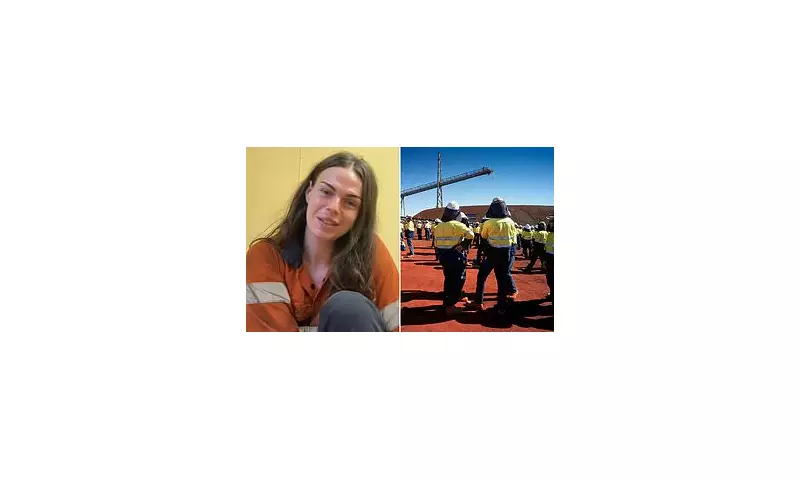
A young mother has made the heart-wrenching decision to leave her lucrative Fly-In-Fly-Out (FIFO) mining career after just three months, citing the profound impact the lifestyle was having on her young daughter.
The Emotional Toll of a FIFO Lifestyle
Courtney Jane, aged 25, had been working as an assistant to an underground driller at a mine site near Laverton in Western Australia's Goldfields region since October last year. While her work was based remotely, she lived with her partner and daughter in Perth. However, this week, Ms Jane announced her resignation in a candid TikTok video, explaining that the separation had led to her daughter developing behavioural issues and a fear of abandonment.
"Ultimately, the FIFO lifestyle wasn't suiting our family anymore, and it was negatively impacting all of us," she stated. "We started noticing some behavioural issues in our daughter and a fear of abandonment. As a mum, that absolutely broke me, and I couldn't do it anymore."

A Mother's Heartbreak: 'I Didn't Know My Daughter'
Ms Jane described the painful realisation that she was becoming a stranger to her own child. Upon returning home from her shifts, she discovered her daughter's routines, preferences, and personality had changed in her absence.
"I would try and put her to bed, but I couldn't because her routine had changed," she explained. "She didn't like the same foods that she used to - all those little things that you just know as a mum, I didn't. It absolutely broke my heart. I felt like I didn't know my daughter, and I didn't know how to be her mum. I felt like I was failing."
The decision comes despite the significant financial incentive to stay. Entry-level roles like a driller's offsider can command salaries of up to $130,000 annually, with accommodation, meals, and transport typically provided on-site.
The Broader Mental Health Challenges of FIFO Work
Ms Jane's experience highlights the well-documented pressures of FIFO work, particularly on family life. The long hours, tough conditions, and isolation can take a heavy toll. In a video from her first week on the job, she revealed struggling with the 33C heat and 75% humidity, which she found "draining."
Her story echoes the findings of a 2015 Western Australian parliamentary inquiry into the impact of FIFO work on mental health. The inquiry was launched following reports that nine FIFO workers had taken their own lives within a year across the state. While it could not directly link the deaths to FIFO work, the report recommended new standards to address fatigue, bullying, and support systems.
Studies cited by the inquiry identified increased risks of isolation and loneliness among FIFO workers and their partners, noting possible under-reporting of mental health issues within the sector.
Ms Jane expressed gratitude for her short time in the industry but said she wished she had tried it before starting a family. "My hat goes off to all the FIFO families out there because it is hard," she said, also thanking her partner for managing as a "single parent" during her rotations. She now plans to focus on her cooking business and, most importantly, rebuilding her connection with her daughter.