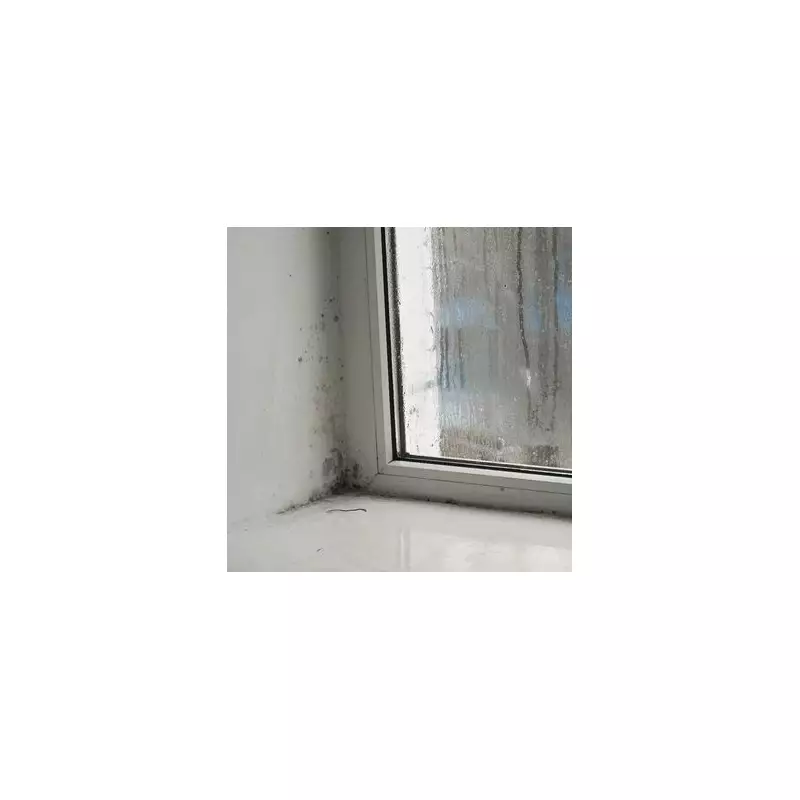
Why Bleach Fails Against Window Mould and What Actually Works
Mould growth on windows is a common household issue that emerges often during winter months, creating unsightly stains while potentially damaging window frames and compromising indoor air quality. The problem typically indicates underlying issues with excessive condensation, inadequate ventilation, or persistent dampness within the home environment.
The Bleach Problem Experts Want You to Avoid
When confronted with mould, many homeowners instinctively reach for bleach as their primary cleaning solution. However, this common approach might actually exacerbate the problem rather than solving it. According to home maintenance specialists, bleach doesn't effectively eliminate mould and can cause it to migrate to previously clean areas, spreading the contamination throughout your home.
Jade Oliver, showroom stylist at Express Bi-Folding Doors, provides crucial insight: "Bleach doesn't work and won't make mould go away, however, white vinegar left for around an hour with a cloth soaked in warm, soapy water will clear it."

The Natural Solution: White Vinegar Method
White vinegar, readily available with five percent acidity, serves as an effective natural alternative to chemical cleaners. The solution works best when used neat without initial dilution, though users should exercise caution with certain surfaces. Since vinegar is a mild acid, avoid using it on aluminium, cast iron, waxed timber, or natural stone surfaces where it could cause damage or etching.
Step-by-Step Vinegar Application Process
- Safety First: Wear non-porous gloves, safety goggles or glasses, and a face covering over your mouth and nose for protection during the cleaning process.
- Preparation: Pour enough neat white vinegar into a clean spray bottle to cover the affected mouldy section of your windows.
- Application: Spray the mould thoroughly, ensuring complete saturation with vinegar, then allow the vinegar to work for a minimum of one hour without scrubbing or rinsing immediately.
- Scrubbing: After the vinegar has soaked properly, use a brush or scouring pad to give the affected area a thorough scrubbing.
- Rinsing: Rinse the area with clean, warm water following the initial scrubbing.
- Final Treatment: Apply another quick spray of vinegar to kill any remaining mould spores and prevent future regrowth.
The distinctive vinegar odour will naturally dissipate within a couple of hours, leaving your windows mould-free without harsh chemical residues.
Professional Cleaning Tips for Windows
For windows caked with general dirt and grime, avoid using soapy water which can cause dust to cling stubbornly to glass surfaces. Jade Oliver recommends: "Use a duster to loosen any dust particles first and then try gently vacuuming with the bristle attachment to avoid scratching the surface."
For particularly challenging areas, she suggests: "Finally, to get into any tougher nooks and crannies such as the corners and rims, work in a feather duster to manipulate the grime."
This comprehensive approach addresses both mould removal and general window maintenance, providing homeowners with effective, natural alternatives to chemical cleaning products while protecting both their property and indoor air quality.