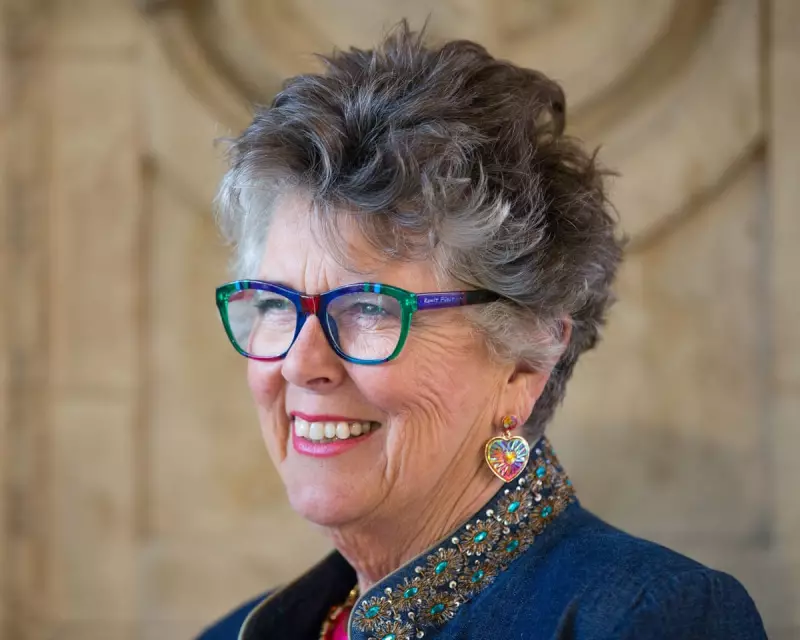
Prue Leith Announces Departure from The Great British Bake Off at 86
Prue Leith has confirmed she is standing down from her role as a judge on The Great British Bake Off after nine years on the popular television programme. At 86 years old, Leith stated it feels like "the right time to step back" and intends to spend her summers enjoying her garden. Her decision follows in the footsteps of her predecessor, Mary Berry, who left the same cookery show at the age of 81.
Age and Employment: A Shifting Landscape in Britain
Leith's departure has ignited a broader conversation about age and work in contemporary society. Since the implementation of the Equality Act 2010, discrimination based on age in employment has been illegal in the UK. This legislative change has coincided with a rising state pension age, now planned to reach 67, encouraging more older individuals to remain in the workforce.
Statistics reveal a significant shift: the number of people aged over 65 recorded as "economically active" surged from approximately 900,000 to 1.5 million over the past decade. While still only 12% of over-65s were working in 2023, this trend challenges the outdated notion that Britons become unproductive at 60. With a declining birth rate and persistent labour shortages in sectors like welfare and hospitality, the experience of older workers is increasingly viewed as a vital resource for the economy.

The Value of Experience and the Question of Fitness
Figures like Prue Leith and Mary Berry exemplify how age can bring unquantifiable virtues to a role, including maturity, judgment, and extensive experience. Their sustained fitness and professional capability well into their eighties highlight how health and competence, rather than chronological age, should be the primary considerations for continued employment.
However, the debate extends to ensuring fitness for demanding roles. Professionals in fields such as medicine, law, or public office must maintain their skills and knowledge. Incompetence should be addressable at any age, with clear justifications required for declaring someone unfit to work, as it is a serious matter that has led to numerous unfair dismissal cases.
Global Parallels: Age and Leadership in Politics
The discussion naturally draws parallels to the political arena, particularly in the United States. The US holds a traditional respect for age, evident in lifetime appointments for Supreme Court justices and no age limits for senators. Yet, this veneration can become a vulnerability when assessing a leader's fitness for office.
A pertinent example is Donald Trump, who is approaching 80. During his first term, a team of psychiatrists and a petition from 50,000 mental health professionals questioned his mental fitness for the presidency, suggesting removal under the 25th Amendment. Trump survived these challenges and was re-elected in 2024, but the episode underscores a complex question: who or what determines fitness for high-stakes roles?
The US Constitution provides a detailed framework, requiring collaboration between the vice-president and two-thirds of Congress for presidential removal—a formidable political hurdle. This issue is poised to intensify in American and potentially global politics, possibly triggering unprecedented power struggles. The hope is that such determinations focus squarely on an individual's health and capacity, not merely their age.
Looking Forward: Redefining Retirement
Prue Leith's graceful exit at 86, much like Mary Berry's before her, serves as a powerful reminder that retirement need not be dictated by a number. As long as individuals possess the desire to work and wisdom to offer, they can continue to contribute meaningfully. The evolving demographics and economic needs of Britain suggest that embracing the skills of older generations will be crucial for future prosperity.
Ultimately, Leith's decision is a personal one, celebrated by fans and colleagues alike. Yet, it sparks an essential dialogue about valuing experience, ensuring fairness, and moving beyond age-based stereotypes in our workplaces and institutions.