London Mayor Sadiq Khan Considers New SUV Charge in Road Safety Crackdown
Drivers of large SUVs in London could face new charges under proposals being considered by Mayor Sadiq Khan, marking the latest development in his ongoing efforts to improve road safety and reduce vehicle usage in the capital. The plans, part of Transport for London's Vision Zero action plan aimed at eliminating deaths and serious injuries on London's roads by 2041, include a potential levy on so-called 'Chelsea tractors', expanded 20mph zones, and the use of artificial intelligence to detect traffic violations.
Safety Concerns Drive Proposed Measures
The proposals follow research highlighting significant safety risks associated with large SUVs. According to Transport for London data, SUVs are substantially more dangerous in collisions with pedestrians compared to smaller vehicles. Children are 77% more likely to die when struck by an SUV while walking or cycling, while for adults the increased risk stands at 14%.
The physical characteristics of SUVs contribute to these dangers:

- Their size and shape make collisions more likely to impact vital organs
- They are more likely to throw pedestrians into the road upon impact
- Significant blind spots, particularly at the front of vehicles, pose risks to children
- Research indicates drivers of some large trucks cannot see children up to 9 years old directly in front of their bumpers
Expanding Vehicle Restrictions Across London
The Vision Zero action plan outlines multiple concerns about large SUVs reshaping urban environments. The document states that half of new cars are now too wide for minimum parking specifications, while these vehicles occupy excessive road space, reduce visibility at crossings and junctions, and create hazards for cyclists, motorcyclists, and pedestrians.
"Without action to address oversized and heavier vehicles, more people will be seriously injured or killed," the plan warns.
SUV ownership has increased dramatically in London, with numbers rising from approximately 80,000 in 2002 to around 800,000 in 2023 according to campaign group Clean Cities. The average width of new cars sold in the UK grows by about one centimetre every two years, contributing to these concerns.
Comprehensive Road Safety Strategy
The proposed measures extend beyond SUV charges to create a comprehensive safety framework:
- Making 20mph the default speed limit across London, with 35 additional miles of roads converted from 30mph limits by 2030
- Reducing speed limits on major roads like the North Circular from 50mph to 40mph by 2035
- Implementing AI-powered cameras to detect violations including speeding, seatbelt non-compliance, and mobile phone use while driving
- Equipping buses with Intelligent Speed Assist technology to automatically restrict engine power when speeding is detected
- Creating approximately 1,000 new pedestrian crossings by 2031
Building on Previous Transport Policies
These proposals continue a years-long campaign by Mayor Khan to restrict vehicle use in London. Previous measures include:
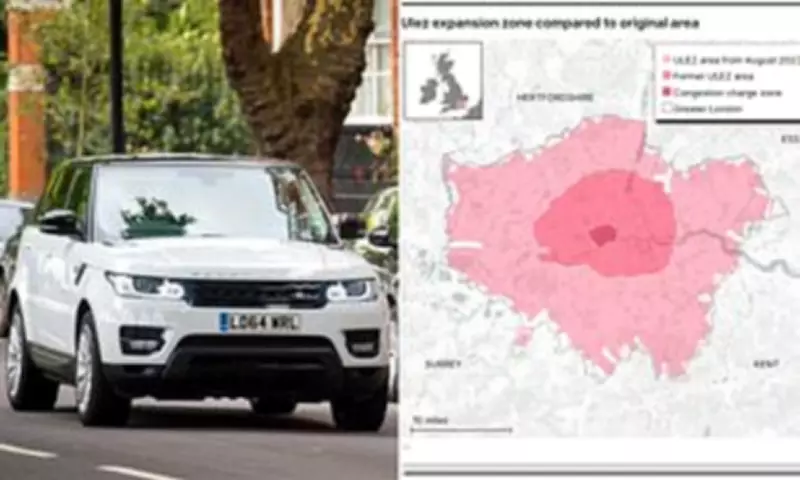
- The expansion of the Ultra Low Emission Zone (ULEZ) to all of Greater London in 2023
- A 20% increase in the congestion charge in January, with electric vehicles losing their exemption and receiving only a discount
- The current congestion charge standing at £18 per day for vehicles entering the zone
Transport for London data shows the expanded ULEZ generated over £514 million in levies and penalty income during its first 29 months of operation across all boroughs, approximately £100 million more than during the same period before expansion.
Political Reactions and Future Considerations
The proposals have drawn criticism from political opponents. Shadow Transport Secretary Richard Holden accused Labour of having an "anti-driver obsession" that is "pricing people off our roads and out of our capital." He suggested the measures are motivated by revenue generation rather than environmental or safety concerns, citing the half-billion pounds collected through ULEZ charges.

A spokesperson for Mayor Khan defended the proposals, stating: "There is growing evidence about the safety risks of large SUVs, which are becoming more common on London's roads. It's a startling figure that SUVs are 77% more likely to kill a child if involved in a collision."
The spokesperson added that Transport for London has been asked to conduct detailed analysis of SUV safety risks and their broader impact on London's transportation network, which could inform future policy decisions or recommendations to the national government.
These developments follow Cardiff's introduction of additional charges for SUV owners in October, making it the first UK city to implement such measures through increased parking permit costs for vehicles weighing over 2,400kg.
Despite the controversy, road safety statistics show progress, with Transport for London reporting a 25% reduction in road deaths and serious injuries in London over the past decade. The proposed measures aim to accelerate this trend toward the Vision Zero goal of eliminating such incidents entirely by 2041.