Saudi Arabia's Neom Megacity Faces Major Downsizing
Plans for Saudi Arabia's futuristic Neom megacity have been dramatically scaled back, with the ambitious project now likely to become "far smaller" than originally envisioned. This significant reduction comes amid spiralling costs and mounting construction delays that have plagued the development from its inception.
The Vision That Couldn't Match Reality
Crown Prince Mohammed bin Salman, the driving force behind Neom, has ordered a comprehensive reevaluation of the entire project. Originally launched with an eye-watering budget of £365 billion as part of a £6.8 trillion mega-city initiative, Neom was intended to transform Saudi Arabia's economy and position the country as a global innovation hub beyond its traditional oil dependency.
The most striking feature of Neom was always meant to be The Line - a revolutionary urban development straight from science fiction. This ambitious concept involved constructing a row of mirror-clad skyscrapers stretching 125 miles across the desert, connected by elevated walkways and reaching half a kilometre into the sky. The design promised to accommodate approximately nine million residents within just 34 square kilometres, creating unprecedented urban efficiencies.

Mounting Challenges and Practical Realities
Despite the grand vision, practical realities have severely hampered progress. Saudi Arabia has already invested billions into the project, but construction delays have become increasingly problematic. The Crown Prince has reportedly grown frustrated with the slow pace of development, particularly given Neom's central role in his Vision 2030 plan to diversify the nation's economy.
According to sources familiar with the situation, the review process is ongoing, and it remains unclear whether The Line will continue as a more modest project or be substantially altered. The original 2030 completion deadline now appears increasingly unrealistic given the current circumstances.
Broader Implications for Saudi Development
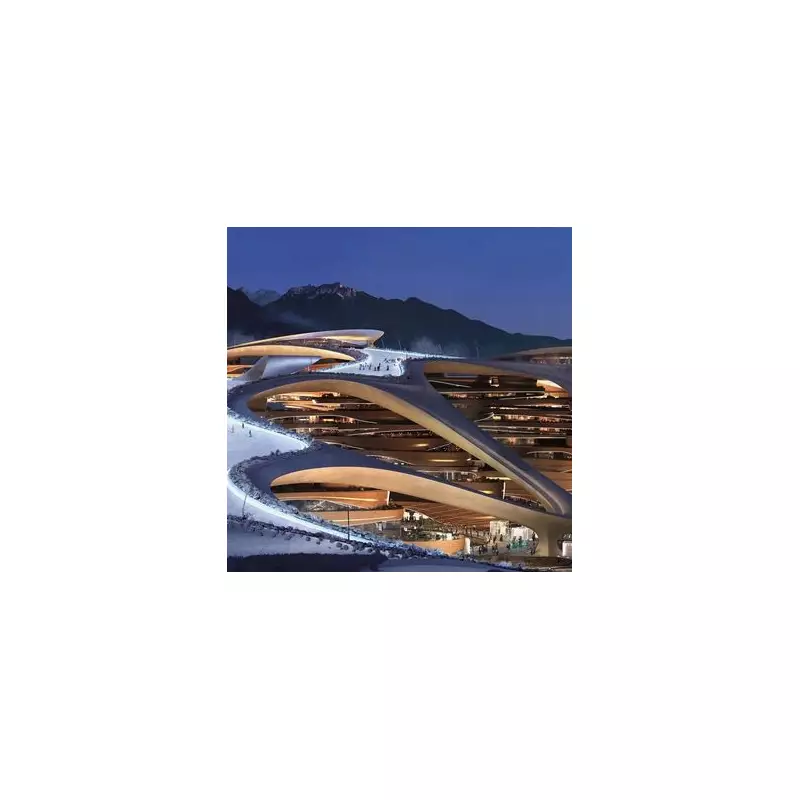
This scaling back represents more than just a single project adjustment - it reflects broader challenges facing Saudi Arabia's ambitious development agenda. Neom was intended to include multiple components beyond The Line, including a 6,500 square kilometre nature reserve and Trojena, a mountainous retreat featuring Saudi Arabia's first outdoor ski slopes.
However, Trojena has already faced significant setbacks, with officials acknowledging it won't be completed in time to host the 2029 Asian Winter Games as originally planned. The only completed element of Neom so far is the Red Sea yachting resort of Sindalah, which has been widely regarded as a costly failure that led to the dismissal of Neom's chief executive.
The extravagant launch party for Sindalah, featuring performances from Will Smith and Alicia Keys with 40 private yachts docked at the resort, reportedly displeased the Crown Prince, who questioned the substantial expenditure involved.
Future Direction and Economic Strategy
As the reevaluation continues, sources suggest the project may shift focus toward more achievable goals, potentially including artificial intelligence data centres and other smaller-scale developments. This represents a significant departure from the original vision of creating a completely new urban model that would "tackle the challenges facing humanity in urban life today" and "shine a light on alternative ways to live."
The scaling back of Neom raises important questions about Saudi Arabia's broader economic diversification strategy and the practical challenges of implementing such ambitious urban developments in challenging environments. While the project's ultimate fate remains uncertain, it's clear that the original vision of a 100-mile-long futuristic city will need substantial modification to become reality.