Business leaders have issued a stark warning that Scotland is facing a damaging 'skills drift', with workers being forced out by a so-called 'talent tax' imposed by SNP ministers. The alert comes as new forecasts reveal nearly one million Scots are on course to pay higher rates of income tax by the end of the decade.
The Widening 'Tartan Tax' Gap
The Scottish Fiscal Commission (SFC) has projected that 28.7% of all Scottish workers will be paying the higher rate by 2028/29. This is a significantly higher proportion than the 22.9% forecast for the rest of the United Kingdom. The cumulative financial impact of this tax divergence introduced by the Scottish Government is set to reach £1.75 billion next year.
According to the SFC, someone earning the current median full-time salary of £39,900 will be pulled into the higher tax band within three years due to the SNP's decision to freeze thresholds. This policy means that from the coming financial year, anyone in Scotland earning more than £33,493 will pay more income tax than their counterparts elsewhere in the UK.

Business and Political Backlash
Michelle Ferguson, director of CBI Scotland, condemned the recent Scottish Budget as a 'missed opportunity' that has 'left the handbrake on long-term growth'. She expressed deep concern over the 'skills drift', where high-skilled, high-earning individuals are deterred from moving to Scotland, exacerbating an existing skills gap.
The political reaction has been fierce. During a visit to Edinburgh, Conservative leader Kemi Badenoch accused the SNP of forcing nurses, teachers, and families to pay higher taxes 'just to bankroll a failing nationalist agenda'. She also criticised Scottish Labour leader Anas Sarwar for his party's decision to abstain on the Budget vote.
Andrew Bowie, the Shadow Scottish Secretary, argued that 'Scotland is being shafted by two tired, cynical governments', holding both the SNP and Labour responsible for the tax rises. Scottish Conservative finance spokesman Craig Hoy labelled the policy a 'vindictive tax on aspiration' that is stifling economic performance and making recruitment difficult for businesses.
Defence of the Social Contract
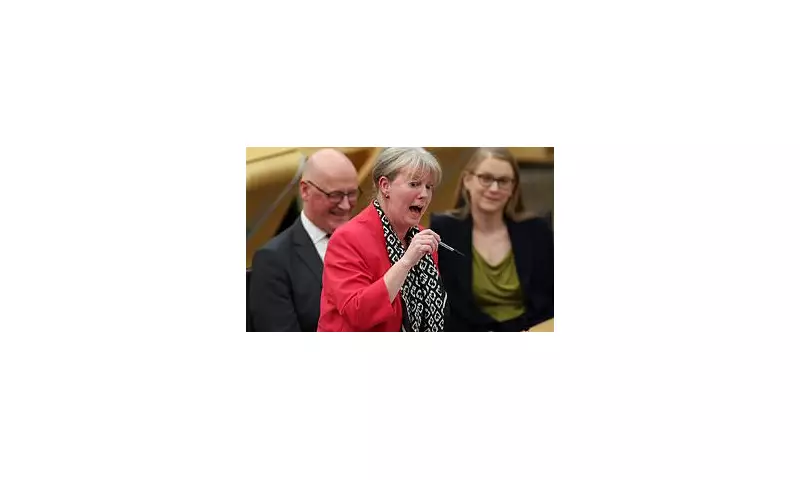
Finance Secretary Shona Robison defended the government's position, stating that increasing the higher rate threshold was unaffordable. She highlighted that raising it to just £44,000 would have cost £125 million. Robison pointed to Scotland's positive net in-migration of taxpayers, with about 4,200 people a year choosing to relocate from the rest of the UK.
She emphasised the 'social contract' in Scotland, where residents receive supports like free university tuition in return for their taxes. 'We would contend that is a social contract that most people would support,' she told BBC Radio Scotland.
However, SFC Chairman Graeme Roy noted the significant shift in who is now considered a higher-rate taxpayer. 'Many more nurses, many more teachers, many more police officers are now paying higher rate of tax,' he said, highlighting how the frozen thresholds have dragged professionals on modest salaries into the higher band.