Residents of a West Midlands town once famed for its leather trade have likened living there to a "real-life Shameless episode" after it was branded the most deprived place in the UK.
A Town's Steep Decline from Thriving Hub to 'Warzone'
Walsall has been ranked as the UK's most deprived area in the Demos-PwC Good Growth for Cities Index 2025. Locals say the Black Country town, which was once a bustling centre for shopping and nightlife, now feels "like living in a warzone", with many too scared to go out after dark.
They report streets plagued by unruly behaviour, gang violence, and visible drug use, making some areas no-go zones even in daylight. One suburb, Blakenall, carries a notorious reputation as one of "Britain's roughest" estates.

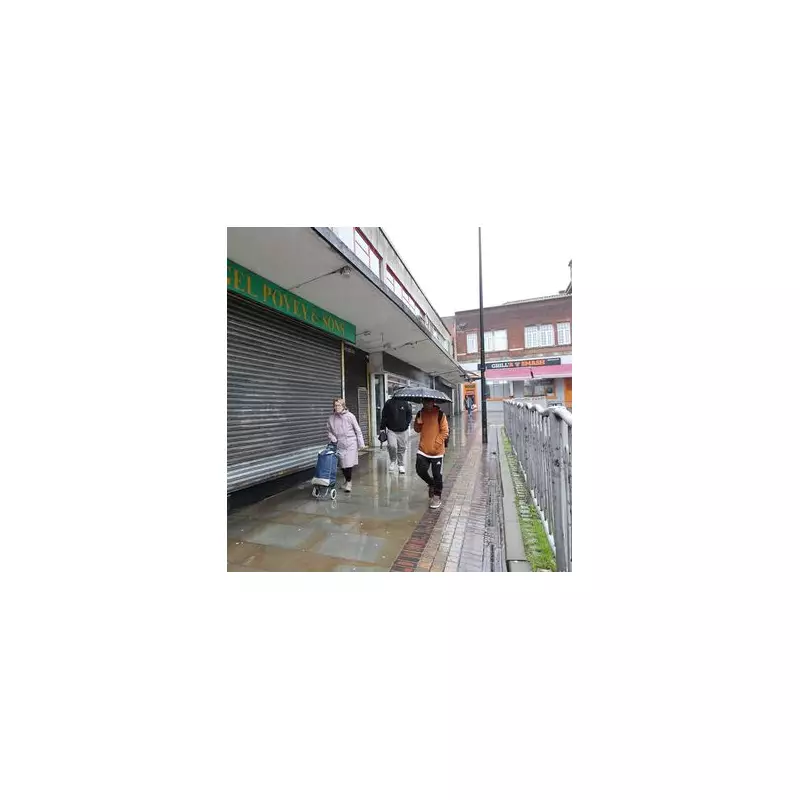
Disturbing images show a landscape of fly-tipped rubbish, boarded-up houses, and vacant shop fronts, a stark contrast to the town's prosperous past. Residents blame a two-decade-long slump on rising unemployment and a critical lack of investment.
Voices from a Community in Crisis
Daniel Briars, 40, reflected on the change: "This town used to be buzzing. Every shop unit was taken in the '90s and people used to come for the nightlife here over Birmingham. Day or night it was thriving, and now look around - it's vape shops, charity shops or empty shops."
A long-term Blakenall resident, who has lived there for 40 years, stated bluntly: "It does deserve the rating, it's horrible." He cited rubbish and drugs as core issues, adding, "The council and police aren't interested in us. The fire engines are here a couple of times a week as the kids keep setting stuff alight."
The index also placed Walsall as having the second least healthy high street and the third worst job market in the country. The study evaluates 12 categories including jobs, skills, and housing affordability, suggesting Walsall struggled more than any other area for growth in the past year.
Market trader David said: "I was born in Walsall and it's gone downhill. A lot of people have stopped coming, especially old people, they get frightened." He described one suburb, Caldmore, as "terrible", where some days "it's like a fighting ring".
Searching for Hope Amidst the Decay
Retired worker Alan Sharratt, 79, remembered a "fantastic thriving town" with a popular market. "It started getting worse 25 years ago. I think unemployment is the main driving force," he said, adding he would not venture into the town centre at night due to the risks.
The sense of danger is pervasive. Shopper Sam revealed she is moving to Poland to escape, saying stabbings, once rare, now happen "all the time". She described a routine of online shopping, rushing to collect parcels and running home.
Community workers Andrew and Jayne, both 38, were unsurprised by the ranking. Andrew noted, "You're more likely to get caught up in knife crime here than 90 per cent of the UK." Jayne highlighted the grim reality of teaching first aid in schools, where Year 6 pupils as young as nine or ten are appointed as "anti-stabbing ambassadors".
Local businessman Jameel, 48, who runs a clothing shop, said poverty was the root cause. "People drink and don't work. I'm scared in this stall... gangs hang around," he explained, describing attempted thefts.
However, not all sentiment is negative. Mary Davis, 83, who moved from Ireland as a teen, said she was proud to call Walsall home, having never been mugged. She acknowledged shop closures but said, "There's still shops I love going into."
Councillor Adrian Andrew, Deputy Leader of Walsall Council, argued it was "time to change the conversation about Walsall". He pointed to ongoing redevelopment and the 'We Are Walsall 2040' plan, stating: "Walsall is on the rise... The challenges we face are not unique but what sets us apart is the determination and ambition that's driving our transformation."