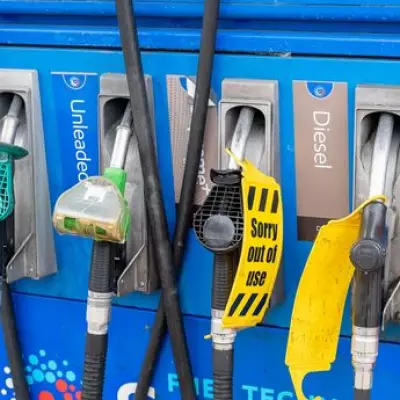
The global economy faces mounting pressure as oil prices surge dramatically, driven by a dual impact of escalating conflict in Iran and unprecedented demand from the artificial intelligence (AI) boom, according to a stark warning from the World Trade Organization (WTO). This combination is creating significant volatility in energy markets, with potential ripple effects across inflation, trade, and economic growth worldwide.
AI Boom Fuels Unprecedented Energy Demand
The rapid expansion of AI technologies, including data centres and high-performance computing, is consuming vast amounts of electricity, much of which is generated from fossil fuels like oil and natural gas. This surge in energy demand from the tech sector is straining global supplies, pushing prices higher as countries struggle to meet the needs of both traditional industries and new digital infrastructures.
WTO Issues Dire Economic Warning
In a recent report, the WTO highlighted that the spike in oil prices, exacerbated by the Iran conflict, could derail efforts to control inflation and stabilise economies post-pandemic. The organisation cautioned that prolonged high energy costs may lead to reduced consumer spending, increased production expenses for businesses, and heightened trade tensions as nations compete for limited resources.

Iran Conflict Adds to Market Turmoil
Ongoing military tensions in Iran have disrupted oil production and transportation routes in the Middle East, a key region for global energy supplies. This geopolitical instability has triggered fears of supply shortages, prompting speculative trading and further inflating prices. Analysts note that the situation could worsen if the conflict escalates, potentially leading to broader regional disruptions.
Implications for Global Trade and Policy
The WTO emphasised that policymakers must address these challenges through coordinated international efforts, including diversifying energy sources and enhancing strategic reserves. Failure to act could result in slower economic growth, increased unemployment, and social unrest in vulnerable regions. The report also called for investments in renewable energy to reduce dependence on volatile oil markets.
As the AI boom continues to accelerate and geopolitical risks persist, the global economy remains at a critical juncture, with the WTO urging swift action to mitigate the impacts of soaring oil prices on trade and stability.