Prime Minister Anthony Albanese Dismisses IEA Fuel-Saving Proposals for Australia
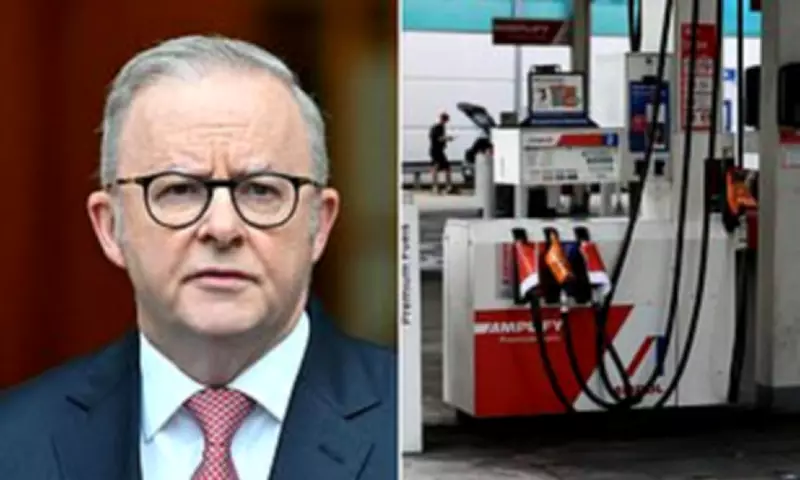
Prime Minister Anthony Albanese has firmly rejected suggestions that Australians should adopt fuel-saving measures such as working from home or reducing travel, following a report from the International Energy Agency (IEA). The IEA urged countries worldwide to implement behavioural changes to ease pressure on global oil demand amid intensifying supply disruptions from the Middle East conflict.
Government Emphasises Business as Usual Approach
Speaking in Melbourne on Saturday, Albanese clarified that the IEA's recommendations, which include driving less, lowering highway speed limits by 10km/h, and cutting back on air travel, were not specifically aimed at Australia. 'They're not suggestions to us, of course. They're suggestions to the world,' he stated, underscoring the global nature of the guidance.
Deputy Prime Minister Richard Marles echoed this view, describing the IEA's advice as 'options' rather than mandatory instructions. He stressed that the government's primary focus remains on maintaining fuel supply chains. 'Right now, our message to the Australian people is to continue business as usual. To get on with people's lives,' Marles affirmed, highlighting a commitment to stability in regional areas where fuel is most needed.

IEA Report Outlines Potential Fuel-Saving Measures
The IEA report argues that small behavioural adjustments could significantly reduce global oil consumption, noting that road transport accounts for a substantial share of demand. It highlights several steps countries could consider, including:
- Encouraging remote work where possible to cut commuting fuel use.
- Lowering highway speed limits by at least 10 kilometres per hour for both passenger and freight vehicles.
- Promoting a shift to public transport, carpooling, and shared travel to reduce congestion.
- Implementing more efficient driving practices and improving freight operations.
'Many of these measures have been implemented in the past and are again being considered in several countries,' the report noted, emphasising their potential to mitigate supply pressures.
Energy Minister and State Government Responses
Energy Minister Chris Bowen also rejected the notion that the IEA's report was directed at Australia when questioned by David Speers on ABC's Insiders. Bowen acknowledged that working from home is 'an essential thing' in many contexts and part of modern work life, but cautioned against a one-size-fits-all approach. 'The IEA report is really a smorgasbord of options for countries around the world to consider based on their own circumstances,' he explained.
Meanwhile, the NSW government has indicated it is factoring the IEA's guidance into its contingency planning, encouraging people to use public transport where feasible. This contrasts with the federal government's stance, highlighting varied responses within Australia.
Upcoming Meetings and Future Implications
IEA executive director Fatih Birol is scheduled to visit Canberra on Monday to meet with Prime Minister Albanese and address the National Press Club. Marles reiterated that the agency's recommendations are not urgent directives, but their relevance may evolve depending on the duration of the Middle East conflict. 'What happens as we go forward, depending on how long this conflict ensues, may have implications,' he noted, leaving room for potential policy adjustments in the future.
Overall, the Australian government maintains a firm position against adopting the IEA's fuel-saving measures, prioritising supply stability and normalcy for citizens amidst global energy challenges.