Energy Minister Chris Bowen has officially confirmed that the Australian government will implement a temporary reduction in national fuel quality standards. This strategic move is designed to redirect an estimated 100 million litres of petrol each month into regional areas that are currently grappling with severe supply shortages.
Government Announces 60-Day Fuel Standard Amendment
The government is enacting a temporary amendment to Australia's national fuel standards, which will remain in effect for the next 60 days. This adjustment permits higher sulfur levels in petrol, enabling fuel that would typically be earmarked for export to be diverted into the domestic market instead.
Targeting Independent Suppliers and Struggling Regions
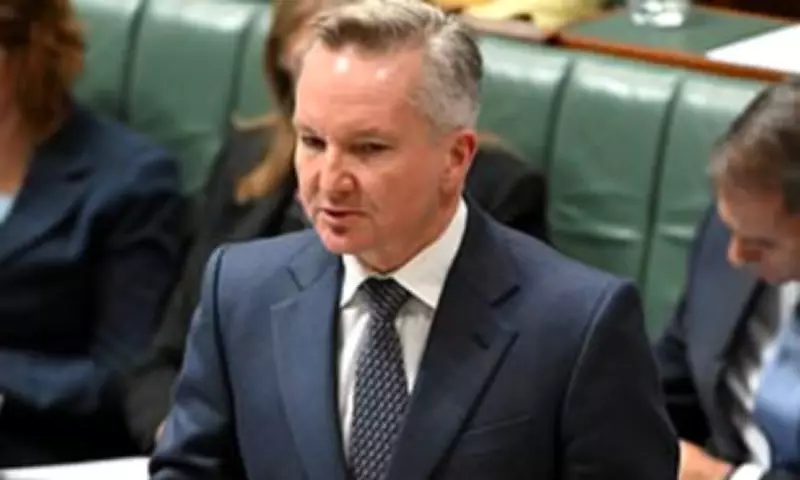
During a parliamentary question time session, Minister Bowen emphasised that this change specifically targets independent suppliers and regions under significant supply pressure. 'This will allow around 100 million litres a month of new petrol supply that would otherwise have been exported to be blended instead into Australian domestic supply,' he stated clearly.

Bowen further explained that the initiative aims to alleviate the strain on areas where fuel availability has become critically low, ensuring that essential services and agricultural operations can continue without disruption.
Ampol Australia Commits to Priority Distribution
In a key development, Ampol Australia has committed to distributing this redirected fuel to the regions where it is most urgently needed. 'In return, Ampol Australia has committed to ensure this redirected supply will be prioritised for regions of shortage and for the wholesale spot market that supports independent distributors and harvesters,' Bowen elaborated.
This commitment from Ampol ensures that the additional petrol supply will directly benefit independent fuel distributors and agricultural harvesters, who often face the brunt of supply chain issues in remote and regional locations.
Implications for Fuel Supply and Market Stability
The temporary easing of fuel standards represents a pragmatic response to immediate supply challenges, though it raises questions about environmental considerations due to the increased sulfur content. However, the government has framed it as a necessary short-term measure to stabilise the market and support regional communities.
Industry analysts suggest that this intervention could help prevent price spikes and ensure consistent fuel availability during the critical 60-day period, particularly as seasonal demands and logistical hurdles impact supply chains.
Further updates are expected as the government monitors the implementation and effectiveness of this policy shift, with potential adjustments based on real-time supply data and regional feedback.