Australian Government Temporarily Relaxes Fuel Quality Standards
The Australian Government has announced a temporary relaxation of fuel quality standards in response to mounting supply pressures stemming from the ongoing Middle East conflict. Energy Minister Chris Bowen confirmed that for the next sixty days, petrol with higher sulphur content will be permitted to enter the domestic market, a move designed to alleviate shortages and stabilise national fuel reserves.
Mechanic Concerns Over "Dirty" Fuel
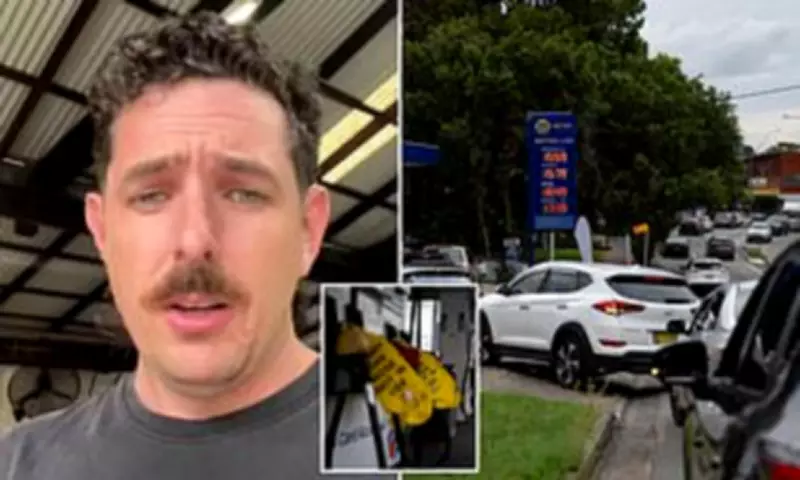
NSW mechanic and professional racer Cody McKay has voiced strong opposition to the decision, criticising the introduction of what he terms "crap quality fuel" into Australian vehicles. "Not only are we getting screwed over with the petrol prices, but now they're sending this crap quality fuel full of sulphur that we just don't need in our cars," McKay stated. He expressed frustration as a mechanic dedicated to ensuring vehicles remain "safe and sound" for Australian families, urging drivers to adopt precautionary measures such as maintaining tyre pressure between 36–40 PSI, keeping up with regular servicing, and considering fuel cleaner additives to protect injectors and pumps.
Government and Expert Reassurance
Despite these concerns, motoring experts and government officials have urged Australians not to panic. The NRMA has emphasised that the fuel now being released is identical to what motorists used routinely before stricter sulphur limits were implemented in late 2025. "It's not really dirty fuel in the sense that it's going to hurt your engine," NRMA spokesman Peter Khoury explained. "It's a temporary measure. It only affects petrol, it doesn't affect diesel." Khoury noted that the primary issue is environmental rather than mechanical, with higher sulphur content potentially reducing the efficiency of modern emissions systems but having negligible short-term impact on engine performance.

Supply Chain Disruptions and Strategic Response
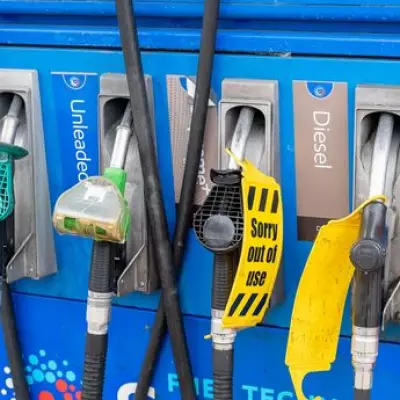
The relaxation of standards comes as the Middle East conflict disrupts global oil flows, particularly following Iran's closure of the Strait of Hormuz, a critical chokepoint that typically handles approximately one-fifth of the world's oil supply. In addition to adjusting fuel quality, the government will allow fuel companies to hold less fuel in reserve, part of a broader strategy to redirect stock towards regional Australia where panic buying has doubled demand and left some communities facing empty petrol bowsers.
Energy Minister Bowen confirmed that Australia continues to receive fuel shipments but warned of "realistic" future supply threats if the Middle East situation escalates. The International Energy Agency has activated a coordinated response among member nations, including Australia, to stabilise global markets by releasing emergency reserves.
Coordinated State-Level Action
In response to the escalating crisis, the NSW Government will convene a fuel security roundtable on Monday, bringing together industry leaders, government agencies, and unions to coordinate the state's approach. Premier Chris Minns highlighted the meeting's importance in maintaining stable supplies and ensuring alignment across the sector. "We're bringing together industry, stakeholders and government agencies so everyone is sharing information and ready to respond," Minns said.
The government argues that this temporary rollback to pre-2025 standards is essential to prevent a deeper crisis, with Bowen estimating the move will free up around 100 million litres of additional petrol monthly, equivalent to roughly two extra days of national supply. While environmental considerations remain, officials stress that the mechanical risks to vehicles are minimal, urging motorists to remain calm during this sixty-day period.