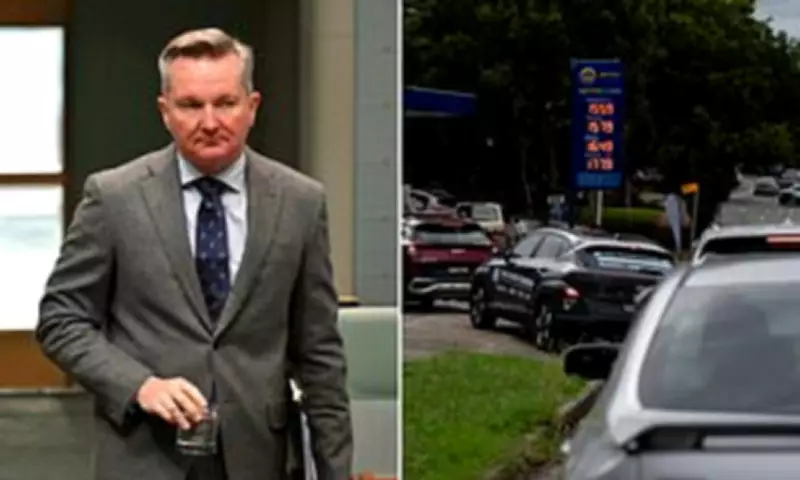
Energy Minister Chris Bowen has provided firm reassurances to Australian motorists, stating that the nation's petrol and diesel supplies remain completely secure. This declaration comes amid widespread panic buying and increasing reports of fuel shortages that are severely impacting regional communities across the country.
Minister Addresses Fuel Concerns in Canberra
Speaking to reporters in Canberra on Tuesday, Bowen emphasised there is 'plenty of fuel in the country' and insisted the current challenge stems from a 'huge spike in demand, not a problem with supply'. He directly linked recent fears to panic buying behaviour rather than any actual shortfall in available fuel reserves.
To address mounting supply concerns in regional areas, Bowen announced he will convene a comprehensive roundtable discussion. This meeting will bring together key industry stakeholders including the National Farmers' Federation, the peak trucking body, major oil companies, and other relevant industry representatives.

No Need for Panic, Says Minister
'There is absolutely no need for panic buying or panic anything,' Bowen told ABC Radio during his media appearance. 'We are in a very uncertain time internationally, but we enter this crisis very well-prepared. Not one single shipload of diesel, petrol or jet fuel to Australia has been interrupted.'
Despite these official assurances, anxiety continues to spread throughout regional Australia. Multiple independent fuel retailers are warning that a genuine crisis is unfolding, particularly outside metropolitan centres where the situation appears most dire.
Regional Communities Face Critical Shortages
Many country towns are already experiencing complete depletion of petrol and diesel stocks. This alarming situation threatens essential freight operations, meat production, crop harvesting, and has sparked calls for temporary rationing measures in cities to prioritise fuel distribution to regional areas.
Regional suppliers report an unprecedented 40 per cent surge in demand over the past week alone. Some wholesalers have begun implementing fuel rationing systems, forcing farmers and truck operators to pay inflated retail prices at service stations after being cut off from their usual bulk delivery arrangements.
Global Market Volatility Impacts Local Prices
Global oil markets have experienced extreme volatility as the Persian Gulf conflict intensifies. Oil prices plummeted dramatically from $120USD to $88USD overnight, prompting public demands for Australian bowser prices to reflect this significant decrease accordingly.
Political Pressure Mounts on Government
Shadow Energy Minister Dan Tehan and Nationals Senator Bridget McKenzie have written directly to Minister Bowen, demanding the government immediately release up-to-date fuel stock figures and clearly outline how it will prevent widespread shortages from occurring.
Their formal letter warns that multiple regional petrol stations ran completely dry last weekend, leaving farmers, truck drivers, and entire communities effectively stranded without transportation options.
'Urgent action is required by government to give our transport, logistics, agricultural, mining and fisheries industries, and the general public, confidence they'll be able to get the fuel they need at a competitive price,' they wrote on Tuesday.
Criticism of Government Data and Policy
The Coalition has sharply criticised the Labor government for relying on petroleum stock data that hasn't been updated since December, which itself was based on November industry figures. With the supply outlook deteriorating throughout March, opposition members called for daily updates until volatility in both prices and supply recedes significantly.
They pressed Bowen to reveal which specific customers, especially in agriculture, manufacturing and freight sectors, face immediate risk of running out completely, and to outline concrete measures being implemented to fix identified supply gaps.
Long-Term Energy Security Concerns
Tehan and McKenzie also targeted the government's broader energy strategy, accusing Labor of undermining Australia's long-term energy security through inadequate policy frameworks.

'After four years of the Albanese government, until recently there have been no new areas released for gas or oil exploration in Commonwealth waters,' they stated. 'And the government has failed to deliver a policy framework to support investment in a domestic renewable diesel and biofuel industry.'
Opposition Leader Angus Taylor echoed these concerns, warning that the Middle East conflict is worsening a situation already made difficult by persistent inflationary pressures affecting Australian households and businesses.
'There's a heightened level of anxiety among Australians who were already feeling the sting of rising inflation,' Taylor said. 'Now the shock of war in the Middle East has made it far worse.'