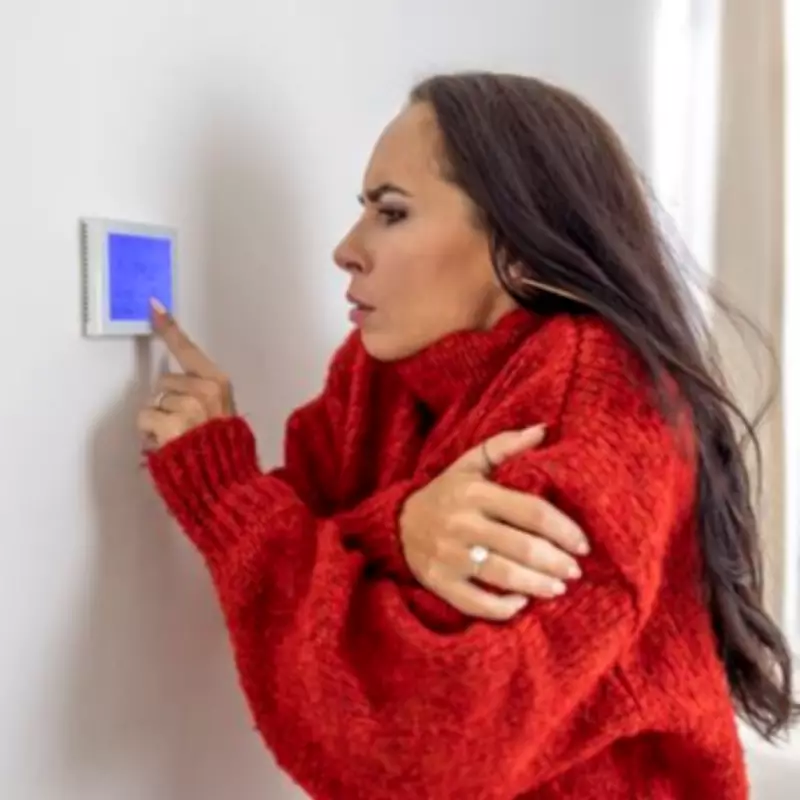
A leading price comparison expert has provided definitive guidance on the optimal central heating temperature for British households, aiming to resolve the common winter dilemma of staying warm while managing soaring energy costs. With cold weather persisting into February 2026, many families are actively searching for practical and effective heating strategies online.
The Cost of Winter Warmth
Under Ofgem's Energy Price Cap covering January to March 2026, typical dual-fuel households paying by Direct Debit face annual bills benchmarked at £1,758. This includes capped average unit rates of approximately 27.69p per kWh for electricity and 5.93p per kWh for gas, plus daily standing charges. These figures highlight how quickly expenses can accumulate when heating systems run unnecessarily.
The Magic Number: 20°C
Shay Ramani, home energy specialist at Free Price Compare and CEO of Orbus Broadband, states that the most cost-effective setting for most homes during winter is 20°C when occupants are awake and active. "Setting your heating to 20°C when you're in and moving around provides sufficient warmth for most households while preventing your system from operating longer than required," Ramani explains.

He emphasises that if 20°C feels slightly cool, adding an extra layer such as a jumper, thick socks, or blanket is generally more economical than increasing the thermostat to 22°C or 23°C. Ramani recommends treating 20°C as a baseline comfort setting, making minor adjustments based on daily activities rather than overheating entire properties.
Night-Time and Away Settings
Rather than switching heating off completely during sleep or absence, Ramani advises maintaining a background temperature of around 18°C. "Turning heating off entirely allows homes to become excessively cold, necessitating expensive reheating later," he notes. Maintaining consistent background warmth can enhance comfort and prove more cost-efficient, particularly in properties that cool rapidly.
This approach aligns with NHS guidance recommending regularly used rooms be heated to at least 18°C, especially for older residents or individuals with health concerns.
Why Small Adjustments Matter
Ramani identifies the most frequent winter error as increasing thermostat settings because warmth isn't felt immediately. However, modest changes yield significant financial differences over weeks. The Energy Saving Trust estimates that lowering your main thermostat by just 1°C can reduce heating bills by approximately 10%, translating to annual savings between £65 and £100 for UK households.
"This principle underpins our 20°C recommendation," Ramani clarifies. "Maintaining 22°C throughout evenings doesn't merely feel slightly warmer; it causes heating systems to operate longer and more frequently, with bills reflecting this increased usage."
Establishing a Winter Routine
Ramani proposes implementing a straightforward heating schedule:
- Morning warm-up: Increase temperature to 20°C during preparation and active morning hours
- Daytime control: Reduce to 18°C if homes are unoccupied to avoid heating empty rooms
- Evening comfort: Return to 20°C when residents are home and active
- Overnight setting: Lower to 18°C while sleeping under bedding
He additionally recommends utilising thermostatic radiator valves where available: "Spare rooms don't require the same warmth as living spaces. Adjusting radiators in unused rooms minimises heat waste without making entire properties feel cold."
Maximising Heating Efficiency
Ramani stresses that the most affordable heat is retained heat, urging households to address minor issues that cause warmth loss. "Draughts around doors, window gaps, and loft hatches permit warm air escape," he observes. "Properties losing heat rapidly create perceptions that heating systems underperform, when actually warmth is simply leaking out."
Final recommendations include ensuring regular boiler servicing, bleeding radiators if tops feel cold, and employing timers to avoid heating empty homes. "The objective isn't enduring cold conditions," Ramani concludes. "It's about precision heating management."

The fundamental guideline remains straightforward: 20°C when warmth is needed, 18°C when it isn't, particularly during winter's coldest periods.