China has introduced a significant yet capped increase in retail petrol and diesel prices, aiming to mitigate the impact of surging global oil costs. The price adjustment, which took effect from midnight on Monday, was driven by escalating global oil prices linked to the ongoing US-Israeli war on Iran.
Government Intervention to Ease Consumer Burden
The National Development and Reform Commission (NDRC) announced that maximum retail prices for petrol would rise by 1,160 yuan per metric ton, while diesel prices would increase by 1,115 yuan per metric ton. This move represents a strategic intervention by the Chinese government to balance the pressures of rising international oil markets with the need to protect domestic consumers from excessive financial strain.
Drivers Queue Overnight Ahead of Price Surge
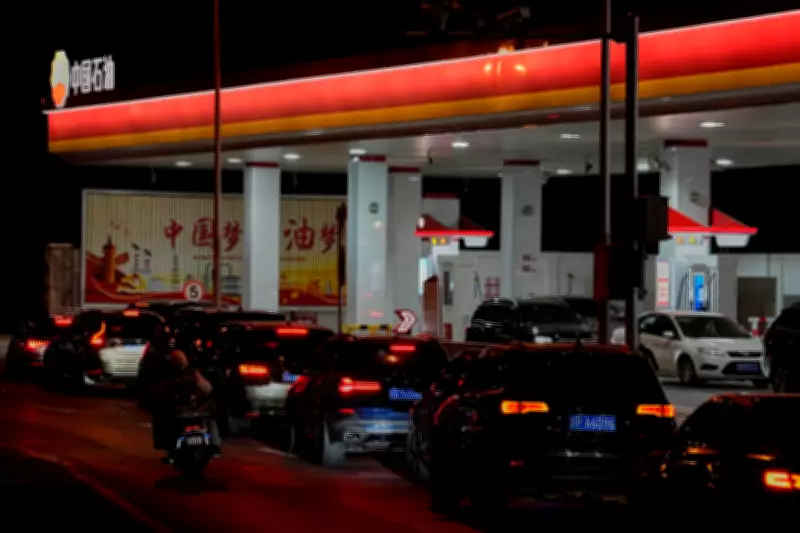
In anticipation of the price hike, drivers across China formed long queues at fuel stations on Sunday night. Many received text message notifications from Sinopec, the state-owned petroleum and chemical corporation, alerting them to the impending increase. This rush to fill tanks highlights the immediate impact of such policy changes on everyday citizens and the broader transportation sector.

Analysts Warn of Potential Economic Ripple Effects
While the government's capped price hike is designed to ease the burden on consumers, analysts caution that persistently high oil prices could still curb demand for fuel. This reduction in consumption might lead to deeper refining losses for companies in the energy sector, potentially affecting China's economic stability and industrial output. The situation underscores the delicate balance policymakers must strike between managing inflation and supporting economic growth.
The capped price increase reflects China's broader strategy to insulate its economy from volatile global energy markets, even as geopolitical tensions, such as those involving the US, Israel, and Iran, continue to drive oil price fluctuations. Observers will be watching closely to see how this measure influences consumer behavior and the nation's energy policies in the coming months.