China's Strategic Energy Buffers Mitigate Global Crisis Impact
As the US-Israel war on Iran plunges the Middle East into conflict, disrupting global energy supplies, China stands out with substantial buffers in its oil reserves and renewable energy sources. This preparation, years in the making, is now proving crucial for the world's second-largest economy.
Preparedness Pays Off Amid Regional Turmoil
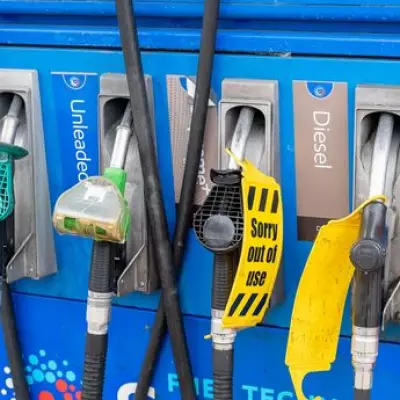
President Xi Jinping has long emphasised the need for China to secure its energy supply independently. During a 2021 visit to a major oilfield, he stated that energy security must be held "in its own hands," a vision that has guided national policy. The current crisis, which has seen the Strait of Hormuz nearly closed and key energy facilities attacked, has slashed Middle East oil exports by 61% in recent weeks, according to maritime tracking firm Kpler.
This decline has roiled Asian economies, which relied on the region for 59% of crude imports in 2025, forcing many into energy conservation measures. However, China's energy system boasts "significant buffers," as noted by Michal Meidan, head of China energy research at the Oxford Institute for Energy Studies. These include massive oil and liquefied natural gas reserves, a robust domestic supply chain, and rapidly expanding alternative sources like wind and solar power.

Comparative Advantage in Energy Dependence
While China imports approximately half its crude from the Middle East, this exposure is limited compared to neighbours such as Japan, which sources about 95% of oil imports from the region. Meidan highlights that China's diversified approach reduces vulnerability. Notably, Iran has continued shipping oil to China, its primary buyer, with imports dipping only slightly from 1.57 million barrels per day in February to 1.47 million in March, per Kpler estimates.
Chinese state-owned vessels are actively navigating the region to secure supplies. For instance, the Kai Jing supertanker recently diverted to collect Saudi crude from a Red Sea port and is scheduled to dock in China in early April, as reported by media outlet Caixin.
Massive Stockpiles and Renewable Expansion
Beijing has amassed an extraordinary oil reserve, estimated at around 1.4 billion barrels by Columbia University's Center on Global Energy Policy, though official figures are undisclosed. Following the war's onset, China instructed its refineries to halt exports, conserving domestic stocks. Simultaneously, the country has reduced reliance on fossil fuels through initiatives like electric vehicle adoption, selling more electric and hybrid cars annually than the rest of the world combined, according to the International Energy Agency.
Renewable energy sources have expanded rapidly, with wind, solar, and hydropower generating about 31% of China's electricity in 2024, as estimated by thinktank Ember. This diversification curbs dependence on imported fuels and enhances resilience.
Challenges and Vulnerabilities Persist
Despite these advantages, no country is immune to prolonged disruptions. Meidan cautions that releasing strategic petroleum reserves is "easier said than done," with China's mechanism tested only once. A larger release would likely require a protracted shortage and significant price spikes. Independent refiners in China, the biggest importers of Iranian crude, remain vulnerable, even as they turn to Russian alternatives. Industrial sectors reliant on LNG face potential price hikes and supply shortfalls.
"While a short disruption could be manageable, the prospect of lengthy disruptions and the associated price increases are raising alarm bells in Beijing," Meidan explains. As weeks may turn into months, China's energy resilience will be tested alongside the global market, underscoring that even with Xi's vision, supply security is not entirely in its own hands.