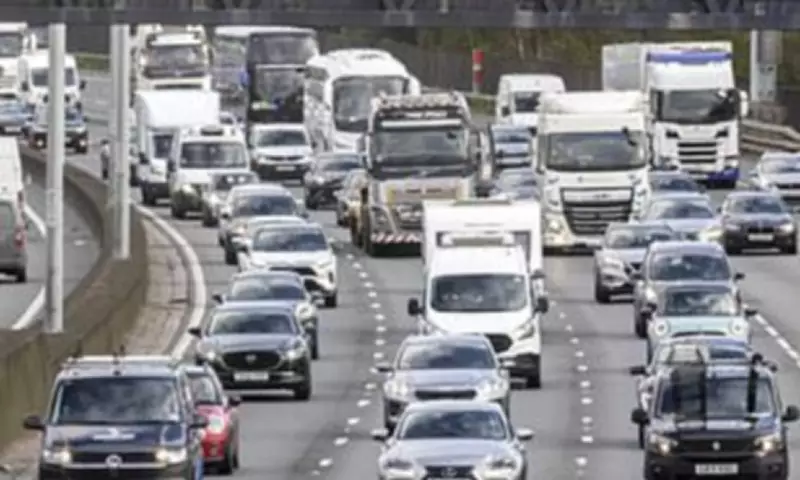
Easter Getaway Threatened by Fuel Price Surge and Supply Fears
Britain's Easter weekend is set to be dominated by a growing fuel crisis, with warnings of potential petrol pump shortages and 'truly eye-watering' prices as millions of drivers take to the roads. Retail experts are sounding the alarm that high demand could lead to diesel shortages within weeks, exacerbated by the ongoing conflict in the Middle East.
Unprecedented Price Hikes and Travel Chaos
With an estimated 22 million journeys planned across the four-day Bank Holiday weekend, the situation is becoming increasingly precarious. Drivers are likely to attempt to fill up twice—both before and after their trips—in a bid to mitigate further price rises, potentially straining supplies further.
According to the latest RAC data, the average price of a litre of diesel has soared to 185.23p, marking a staggering 30 per cent increase since the United States began attacks on Iran in February. Petrol prices have also climbed sharply, reaching 154.45p per litre—a 16 per cent hike over the same period.

Simon Williams, head of policy at the RAC, emphasised the severity of the situation: 'March has been truly unprecedented—fuel prices have never risen this fast in a single month. The increases drivers have had to endure in March 2026 far exceed those seen in the early days of the war in Ukraine.'
Supply Chain Vulnerabilities and Regional Impacts
Retailers are growing increasingly concerned about dwindling stocks in the coming weeks, particularly if the blockade of the Strait of Hormuz continues. This critical shipping lane is currently preventing the safe passage of oil and petrol, directly impacting global supplies.
While the UK is not expected to completely run out of diesel, supplies could drop by more than 10 per cent by mid-April. An industry source described this weekend as 'perilous', noting: 'People are becoming aware that diesel shortages are weeks away. This year we expect everyone to fill up again because they want to hedge against further, inevitable price rises.'
The UK imports approximately 7 per cent of its diesel directly from the Middle East, with the remainder sourced from refineries in the Netherlands and Belgium—some of which also originates in the region. This dependency leaves the nation vulnerable to geopolitical disruptions.
Economic Toll and Government Response
The financial impact on households and businesses is becoming severe. Long-term RAC research indicates that eight in ten people are dependent on their vehicles, making these price surges particularly burdensome. In March alone, average petrol prices surged by 20p per litre, while diesel soared by 40p. This translates to an additional £11 to fill a 55-litre petrol tank and £22 for diesel compared to prices at the start of the month.
Separate data reveals that drivers have collectively spent almost £600 million more than they would have if pump prices had remained at pre-conflict levels. This has netted Chancellor Rachel Reeves approximately £100 million in extra VAT receipts. Despite growing calls for intervention, the Labour government is refusing to scrap its planned fuel duty hike, which would add another £3 to the cost of a fill-up from September.
Travel Disruptions and Weather Warnings
Amid rail shutdowns and packed airports, millions of drivers will be embarking on Easter getaway trips across the UK. The RAC predicts this could be the busiest Easter on the roads since 2022. However, travel plans face additional hurdles: Network Rail is carrying out more than 270 upgrade projects, including a six-day West Coast Main Line shutdown, affecting thousands of train journeys.
The Met Office has also issued warnings of possible travel disruption, with northern England and Scotland set to be hit by winds gusting at up to 90mph this weekend. These conditions could further complicate fuel distribution and road safety.
Monitoring and Market Dynamics
Since February 2, all UK forecourts have been required to report price changes to the Government's Fuel Finder database within half an hour of any adjustment. This data is used by third-party fuel-price apps and websites to help consumers navigate the volatile market.

Oil prices, which heavily influence wholesale fuel costs, have skyrocketed in response to Iran's stranglehold on tankers passing through the Strait of Hormuz. This follows US and Israeli-led military strikes on the country, underscoring how international conflicts can directly affect domestic fuel availability and pricing.
As the Easter weekend approaches, the combination of record-high prices, potential shortages, and adverse weather conditions creates a perfect storm for travellers, highlighting the urgent need for strategic planning and government action to address this escalating crisis.