Mo Salah's Transformative Impact on Racism and Islamophobia in Liverpool
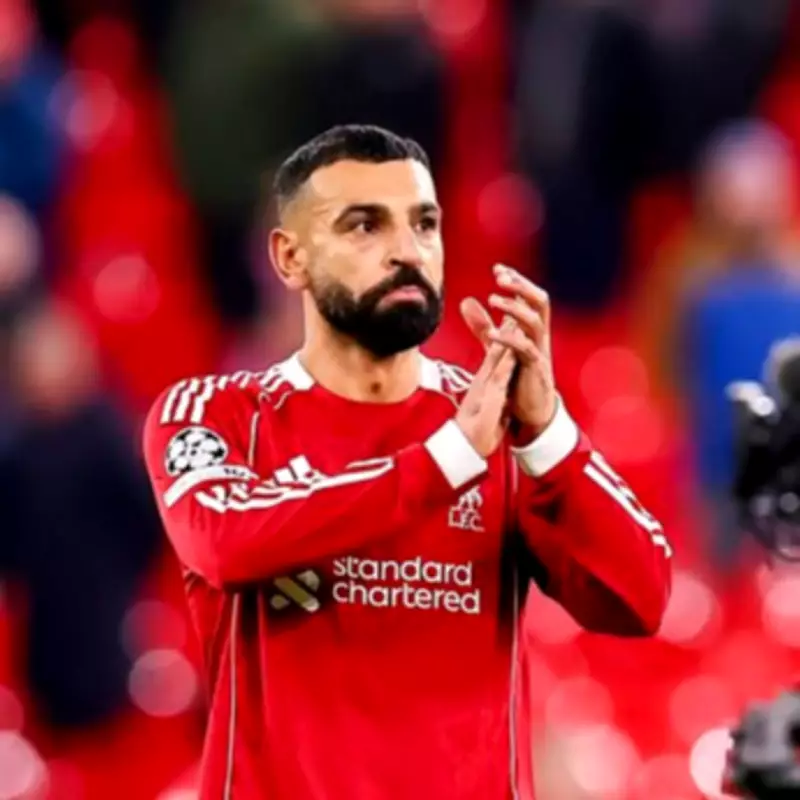
In a world often darkened by hatred, much of it stemming from distorted religious views, finding light can be challenging. However, one figure who has brought hope both on and off the pitch is Liverpool footballer Mohamed Salah. As he prepares to leave Liverpool with gratitude and love from fans, his legacy extends far beyond his hundreds of goals. He has demonstrated to the impressionable and marginalised that hatred based on skin colour or religion is not a solution to life's problems.
Confronting Hate: Liverpool's History of Resistance
Liverpool has a proud tradition of standing against racist extremism. In 2015, a White Man March organised by National Action ended with participants hiding in Lime Street Station's left luggage depot, while onlookers mocked them with chants of "Master race, you're having a laugh." Two years later, the English Defence League attempted a similar rally but were forced to retreat to their coaches as the Benny Hill theme played and hundreds of locals laughed them out of the city.
More recently, last Saturday, remnants of Nigel Farage's former party, UKIP, tried to hold a "Walk With Jesus" rally, despite disavowal from all of Liverpool's Christian leaders. Over a thousand protesters, believing it was actually a "Hate Muslims With Us" event by a party now aligned with far-right Christian nationalists, stopped the few dozen participants in their tracks. They ultimately walked out of Liverpool entirely.

Research Reveals Salah's Positive Influence
A 2019 study by the Immigration Policy Lab found that hate crimes on Merseyside decreased by 18.9% in the year after the high-profile Muslim player signed for Liverpool. No similar reduction was observed for other types of crime, indicating that the decline in anti-Muslim hate crime was a genuine trend. The research also analysed 15 million tweets by Liverpool fans, revealing that Islamophobic posts had halved from 7.2% to 3.4%, compared to fans of other top-flight clubs.
Mumin Khan, chief executive at Liverpool's Abdullah Quilliam mosque, noted at the time: "Salah is changing hearts and minds. People come through the door who are non-Muslim and say it's because of his achievements. 'Can we see what a mosque really looks like?' they ask."
Cultural Shifts Among Young Fans
A significant proportion of young, white Liverpool fans witnessed Salah's sujud goal celebration, which involves offering thanks to Allah, and saw images of him smiling by a Christmas tree with his hijab-wearing wife and children. This led to chants like: "If he's good enough for you, he's good enough for me. If he scores another few, then I'll be Muslim too."
These fans overcame the fear and loathing spread by Islamophobes, mirroring a similar shift when John Barnes signed for Liverpool in 1987. Almost overnight, vocal racism largely vanished at Anfield, as attacking any black player for their skin colour became synonymous with attacking Liverpool itself.
A Lasting Legacy Against Hatred
It is not suggested that Salah's presence has eradicated racism entirely. However, it has shown some young people who might have embraced hatred of Muslims the illogicality of such a stance. It has encouraged them to reject the poison propagated by figures like Stephen Yaxley-Lennon, who changed his name to Tommy Robinson to honour a football hooligan.
Thanks for all the genius moments on the pitch, Mo. But also, thank you for demonstrating how ugly and irrational it is to despise someone simply for following a different religion. For that alone, you will always be remembered as the Egyptian King.