Household energy bills in Great Britain are projected to escalate dramatically, potentially reaching almost £2,000 annually from this summer, as the conflict in Iran sends shockwaves through the UK's gas market, pushing prices past three-year highs.
Forecasted Surge in Energy Costs
According to analysis by the energy consultancy Cornwall Insight, a typical combined gas and electricity bill is now forecast to hit £1,972 per year from July under the government's quarterly price cap. This represents an increase of more than £330 compared to current levels, marking a significant burden for millions of households.
Rapid Escalation in Predictions
The latest forecast has soared above an estimate made just two weeks ago, when Cornwall Insight predicted the price cap could climb to £1,800 annually from July. At that time, the consultancy based its projection on only five days of war in the Middle East. The current cap, set by Great Britain's industry regulator Ofgem at £1,641 for April to June, offered a brief reprieve, but prices are expected to rise sharply from the summer.

Impact of Middle East Conflict on Gas Prices
The forecast for a 20% increase in household energy costs is fuelled by a surge in European gas prices this week, following a significant escalation in the Middle East conflict. Key infrastructure in the region has been targeted for the first time since the war began three weeks ago, disrupting global energy supplies.
Gas prices in Europe rose 30% on Thursday after Qatar confirmed that missiles caused extensive damage at the world's largest processing facility for seaborne liquefied natural gas, with repairs potentially taking up to five years. Additionally, tankers of oil and gas from the Gulf remain unable to enter the global market via the Strait of Hormuz, which is effectively under the control of Iran's Islamic Revolutionary Guard Corps.
Although Europe's gas markets eased slightly on Friday, prices remain twice as high as before the conflict started. The market price for UK gas delivered next month also eased, down 2% to 153p a therm from highs of 180p on Thursday, but it is still nearly double the pre-war level.
Broader Economic Ripples
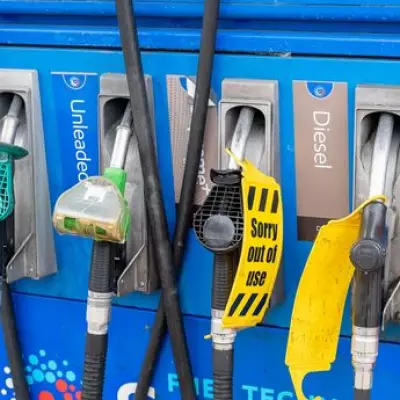
British motorists are facing higher energy costs at the pump, with petrol prices rising almost 8% in the last three weeks to 143.35p a litre as global oil prices climbed to three-and-a-half-year highs. Diesel prices are 15% higher at 163.73p a litre. The international oil benchmark, Brent crude, traded at about $107 a barrel on Friday after falling from highs of $119 the day before, but it remains almost 50% higher than before the conflict began.
Households are also contending with rising UK mortgage rates, even though the Bank of England left base rates on hold at 3.75% on Thursday. According to data provider Moneyfacts, the average two-year fixed mortgage rate has increased from 4.83% at the start of March to 5.35% on Friday. This rise could add approximately £900 annually to the cost of borrowing £250,000 over 25 years.
Moneyfacts calculated that if the Bank's base rate rises to 4% or 4.25%, as market pricing predicts, the average interest on new mortgages could stabilise at about 5.50% to 5.75%. This could add an extra £1,000 to £1,500 per year to borrowing costs compared to rates at the beginning of March.
Global Calls for Energy Conservation
Amid the risk of steep increases in household energy costs, the International Energy Agency has urged global governments to consider Covid-style emergency measures to reduce energy use. The Paris-based agency noted that several governments are already exploring policies to conserve energy, such as encouraging remote work to cut commuting and incentivising public transport or car-sharing.
The IEA has also suggested lowering highway speed limits by at least 10km/h (6.2mph) to reduce fuel consumption for passenger vehicles and freight. These energy-saving measures focus primarily on road transport, which accounts for about 45% of the world's oil demand, but also include plans to conserve liquefied petroleum gas in transport and heavy industry in developing countries.
As households brace for higher bills, the situation underscores the interconnected nature of global conflicts and domestic energy markets, with lasting implications for consumer finances and economic stability.