Trump Energy Secretary Issues Warning on Oil Prices Amid Iran Conflict
Energy Secretary Chris Wright has delivered a sobering assessment of the ongoing Iran conflict's impact on global oil markets, predicting elevated prices will persist until hostilities conclude. The Trump administration official appeared across multiple Sunday news programs to address growing concerns about economic repercussions from the military campaign.
Deflecting Dire Price Predictions
During an appearance on NBC's Meet the Press, Wright was pressed by moderator Kristen Welker about Iranian officials' prediction that oil could reach $200 per barrel. "I would pay no attention to what Iran says," Wright responded, while acknowledging the strategic importance of the Strait of Hormuz for global energy flows.
"Depending upon the timing and the manner upon which this conflict comes to an end, we're going to see some elevated pricing until we get there," Wright stated, carefully avoiding direct confirmation or denial of the $200 per barrel scenario.

Timeline Uncertainties and Administration Response
The energy secretary insisted disruptions to U.S. oil supplies would last "weeks" not "months" in interviews across NBC, ABC, Fox, and CNN. He maintained that even the administration's worst-case scenario envisioned resolution in the immediate future, though he acknowledged the inherent uncertainties of military conflicts.
"You never know exactly the timeframe of this, but in the worst case this is a weeks, this is not a months thing," Wright told CNN's Jake Tapper. On ABC's This Week, he added: "There's no guarantees in wars at all. This is short-term pain to get through to a much better place."
Strategic Waterway Crisis
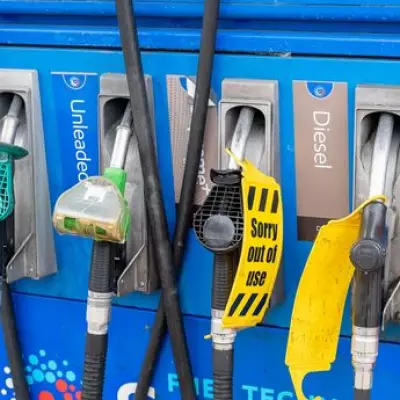
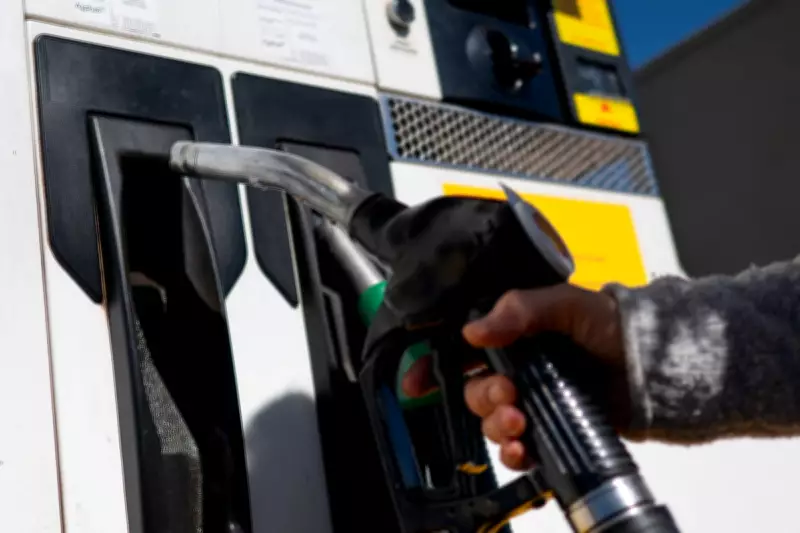
Wright addressed the sharp spike in gas prices over recent weeks as Iranian forces have mined the Strait of Hormuz and restricted commercial shipping through the critical waterway. This action has strangled global oil supplies, driving prices past $100 per barrel for the first time in years.
White House and Cabinet officials continue to insist the U.S. Navy will eventually reopen the strait, though Wright couldn't provide a specific timeframe during a Thursday interview. "It'll happen relatively soon, but it can't happen now. We're simply not ready," he explained.
Administration Measures and Political Context
The Trump administration has implemented several measures to mitigate oil price increases during the ongoing military operation. These include:
- Temporary suspension of some sanctions on Russia
- Utilization of the U.S. Strategic Petroleum Reserve
- Efforts to increase Venezuelan oil production capacity
When questioned about reducing sanctions on Russia amid reports of Russian assistance to Iran against U.S. troops, Wright claimed those reports remained unverified. Experts generally agree the administration's ability to significantly reduce gas prices in the short term remains limited.
Political Landscape and Public Opinion
With midterm elections approaching, some Republicans have framed the economic impact as necessary sacrifice. Kansas Senator Roger Marshall stated on CNN: "Freedom is not free. Americans are gonna have to make some sacrifices."
Recent polling indicates more than half of Americans oppose Trump's war with Iran, while approximately forty percent support the military action. The administration continues to face challenges in clearly articulating its military objectives and demonstrating progress toward achieving them.
President Trump himself addressed the conflict in a Saturday interview with NBC News, stating: "Iran wants to make a deal, and I don't want to make it because the terms aren't good enough yet." He declined to publicly outline his conditions for a potential peace agreement.
The ultimate resolution of the oil price crisis likely depends on the United States' ability to reopen the Strait of Hormuz through either military or diplomatic means, combined with longer-term efforts to diversify global oil supplies.