A leading energy expert has issued a stark warning that the UK government could be compelled to implement energy rationing if the ongoing conflict with Iran persists, potentially forcing prioritisation of critical sectors like hospitals and food production.
Strait of Hormuz Blockade Sparks Oil Supply Crisis
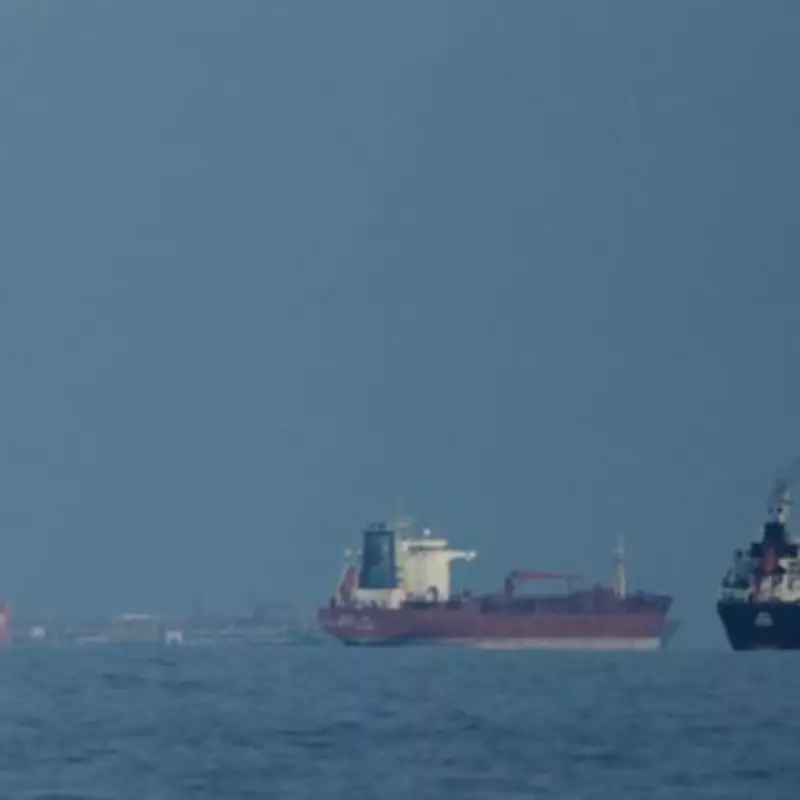
The virtual blockade of the Strait of Hormuz has severely disrupted oil exports from the Gulf region, creating the most significant oil supply crisis since the 1970s. This narrow waterway, through which approximately one-fifth of the world's oil and liquefied natural gas flows, has become a battlefield as Iran threatens to attack tankers attempting passage.
Oil prices have skyrocketed as a direct consequence, reaching around $106 per barrel in early trading on Monday. The prolonged nature of this conflict is raising increasing concerns about its broader economic impact.
Expert Warns of Imminent Physical Shortages
Nick Butler, former head of strategy at oil giant BP and an advisor to ex-Prime Minister Gordon Brown, stated unequivocally: "There will be a real, physical shortage of supply in a few weeks time."
"How long that goes on we don't know, but I think the government here must now be preparing for a significant shortfall of supply over the next two months. I think it does mean a form of rationing," Butler explained during an interview on BBC Radio 4's Today programme.
The professor, now a visiting academic at King's College London, drew parallels with the 2000 tanker drivers dispute, noting: "We learnt that oil and gas supplies are absolutely crucial to the running of the economy and you can't bring on new supplies quickly."
Prioritising Critical National Infrastructure
Butler emphasised that in the short term, authorities must assess available supply and protect essential services. "The health service, food supply - those are key elements that must be protected," he asserted. "Beyond that is for the government to decide how to ration what is left, if we get to that situation."
He also urged the government to accelerate development of new North Sea oil fields to enhance domestic energy security, though acknowledged this would provide only longer-term solutions.
Global Competition for Diminishing Resources
The crisis extends far beyond UK borders, with Butler highlighting the international dimensions: "It implies competition between countries for supply. We are not on our own in this. Europe is 90% dependent on imports of both oil and gas. We are about 60-65% dependent. Everybody will be looking for whatever is available."
Government Response and Economic Fallout
Prime Minister Sir Keir Starmer addressed concerns about potential rationing, stating: "Obviously we are taking all necessary measures to make sure there is the right supply of energy. It's really important we do so."
The oil price surge has already translated into higher fuel costs for millions of British drivers. The rapid escalation at petrol pumps has prompted government warnings to forecourt owners about potential profiteering, with watchdogs monitoring the situation closely.
Mortgage Market Impact
The conflict's economic repercussions are spreading to the housing market. Industry analysts at Moneyfacts revealed that average two-year fixed mortgage rates have increased from 5.10% to 5.20% over the weekend, while five-year fixed rates rose from 5.19% to 5.25%.
Furthermore, the number of available mortgage deals has declined again, dropping below 7,000 to just 6,972 products on offer - compounding financial pressures on prospective homeowners.
As the Iran conflict continues with no immediate resolution in sight, the spectre of energy rationing represents a sobering prospect for both policymakers and the public, highlighting the fragile interconnectedness of global energy markets and national economic stability.