Government assistance with escalating energy bills, which have been sent soaring due to the Trump administration's military conflict with Iran, could be restricted exclusively to the worst-affected benefit claimants and pensioners, according to reports emerging today.
Potential Aid Model Under Scrutiny
Officials are currently examining whether to model any forthcoming aid on the existing Warm Home Discount scheme. This programme currently provides approximately six million individuals who receive pension credits or welfare payments with a £150 payment each winter to help offset heating costs.
Political Promises and Consumer Protections
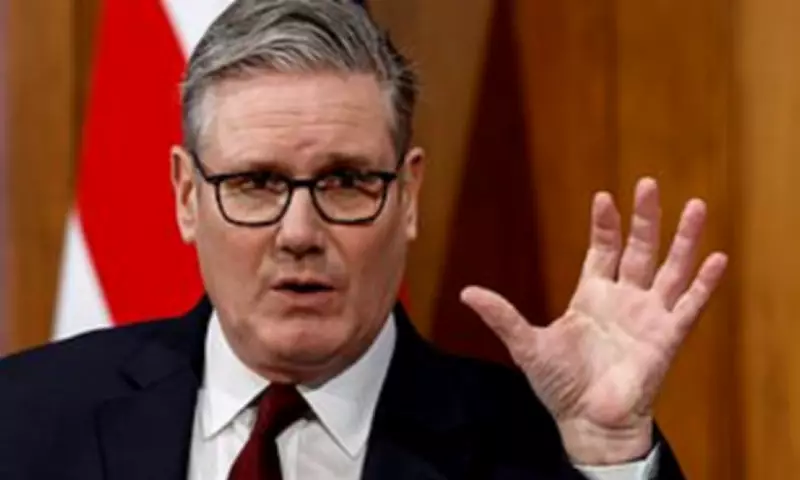
Meanwhile, Sir Keir Starmer has made a firm commitment today to compel energy companies to pass on "every penny of the savings that we delivered at last year's budget" directly to consumers. The Labour leader stated emphatically that these corporations would not be permitted to "make huge profits from the hardship of working people."
However, if government support is indeed limited solely to benefit claimants and pensioners, millions of working households across the United Kingdom could find themselves excluded from vital financial assistance. This potential exclusion comes at a time when the general cost of living is experiencing a significant spike, largely triggered by recent US military actions in the Middle East.
Regulatory Framework and Future Projections
Currently, gas and electricity bills for most households are governed by regulator Ofgem's price cap, which remains fixed until June. Nevertheless, analysts warn that if the Middle Eastern conflict persists and Iran maintains its strategic stranglehold on shipping traffic through the critical Strait of Hormuz, households could face dramatic price increases when the cap is reviewed.
At a recent press conference, a government spokesperson commented: "We're not ruling anything out, but it is very difficult to say at this juncture what the position will be in July, which is when the current energy cap runs out, or what the position will be in September."
Immediate Relief Measures Announced
Sir Keir Starmer has announced the establishment of a new £53 million fund specifically designed to assist people who rely on fuel oil for heating. The conflict has caused the uncapped price of heating oil to double, creating severe financial pressure for many households.
Simultaneously, the Labour leader has insisted that transitioning the United Kingdom toward greater reliance on green energy represents the most effective long-term strategy for reducing everyone's energy bills. He elaborated: "There's no denying – because we've seen this first-hand, we saw it in Ukraine, we saw it in the Twelve-Day War, we're seeing it again now – if you're on the international market for oil and gas, you're vulnerable to the price going up on the international market."
Starmer continued: "Because we, the UK, have little control over that, and obviously, oil doesn't give us control over that, because we sell onto the market. What gives us control is renewables, our own home-grown energy, which is then more secure and more independent, which is why I think that we should go further and faster in relation to renewables. Let's get control of our own energy, so that whatever is happening in the world, we control what's happening in this country."
Analyst Forecasts and Government Planning
Energy analysts at Cornwall Insight have projected that household energy bills could increase by approximately 10 per cent starting in July, following sharp rises in wholesale gas prices. This forecast suggests that Ofgem's price cap for the period from July to September could surge to £1,801 annually for a typical dual fuel household. This represents an increase of £160, or 10 per cent, compared to the cap set in April.
Officials speaking to The Times, which first reported the potential mirroring of the Warm Home Discount scheme, emphasised that planning remains at an "early stage." Chancellor Rachel Reeves has acknowledged the "real and urgent problem" facing low-income households that depend on heating oil.
Funding Allocation Across the UK
The Treasury has confirmed specific funding allocations based on census data. Northern Ireland, where a greater proportion of homes rely on heating oil, will receive £17 million. England has been allocated £27 million, Scotland will get £4.6 million, and Wales will be given £3.8 million. These funds will be distributed directly to the devolved governments to support vulnerable households, particularly those in rural areas.