Energy Triage Sweeps Globe as Iran War Escalates
The escalating conflict with Iran is plunging nations into a state of energy triage, compelling governments to make severe cuts in demand and prioritize dwindling fuel supplies. This crisis is forcing unprecedented measures, from slashing workweeks to banning air conditioning and elevator use, as countries scramble to conserve energy.
Asia Bears the Brunt of Fuel Shortages
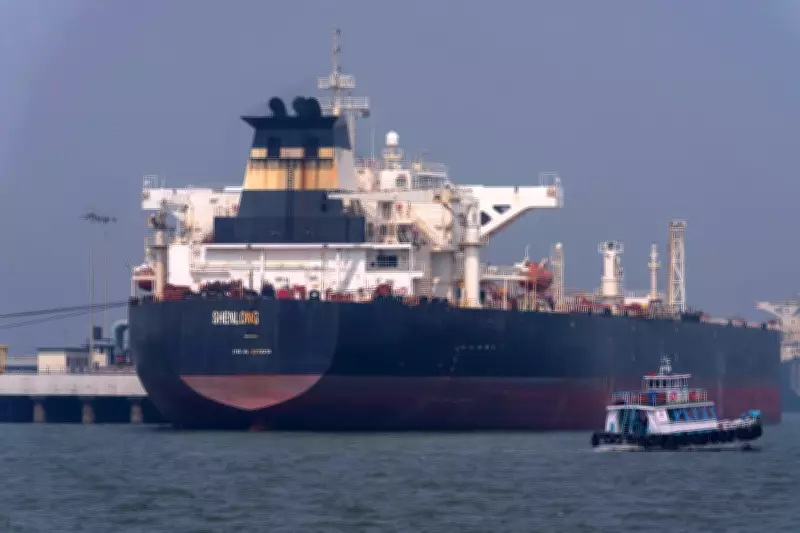
Asia is particularly vulnerable due to its heavy reliance on imported fuel, much of which transits the now-blocked Strait of Hormuz. This narrow passage handles a fifth of global crude oil and liquefied natural gas trade. Governments across the region are tallying reserves, conserving energy, and competing for scarce supplies, leading to difficult trade-offs that could slow industrial activity.
"Even relatively modest constraints on energy use can create a drag on industrial activity," warned Linh Nguyen of Control Risks, highlighting risks to Vietnam's export industries. Analysts caution that these challenges may soon extend to fuel-importing economies in Africa and beyond.

Southeast Asia Implements Strict Conservation Measures
In response to surging oil prices, Southeast Asian nations are rationing energy aggressively:
- The Philippines has adopted a four-day workweek, aiming to reduce government energy use by 20%, with offices mandated to keep AC at 24°C (75°F) or higher and switch off computers during breaks.
- Vietnam is promoting remote work to cut fuel consumption.
- Thailand has urged officials to use stairs instead of elevators.
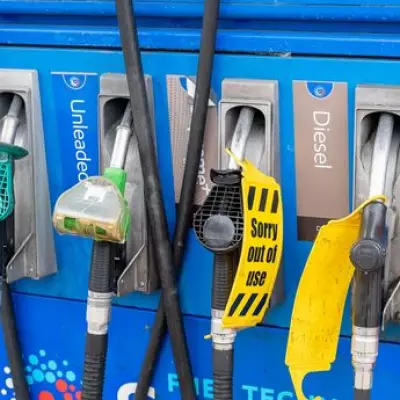
These measures come at a cost. Dieu Linh, a vegetable seller in Hanoi, noted that even a 10% rise in fuel costs could erase her profits. Meanwhile, countries like Vietnam and Thailand are competing for limited supplies, with Thailand halting exports, causing shortages that have closed nearly a third of Cambodia's gas stations.
East Asia Seeks New Suppliers Amid Stockpile Releases
East Asian nations, which received over 80% of LNG passing the Strait of Hormuz in 2024, are tapping strategic reserves. Japan is releasing about 45 days' worth of oil from its vast stockpile, while South Korea plans to release 22.46 million barrels under an International Energy Agency initiative. However, analysts stress this is not a long-term solution.
"The fundamental difficulties will not be solved by this action," said Mika Ohbayashi of the Renewable Energy Institute in Japan, advocating for renewable energy. Japanese Prime Minister Sanae Takaichi is set to discuss buying more American LNG and restarting nuclear plants with U.S. President Donald Trump.
Populous Nations Prioritize Households Amid Price Pressures
India is focusing its limited LPG supplies on households, absorbing over half of price increases to protect poor families. Yet, shortages are affecting restaurants, forcing closures and menu cuts. Duttatreya Das of Ember warned that without subsidies, the situation could worsen within a week, impacting fertilizer factories and small industries first.
Indonesia and Thailand face similar dilemmas, with subsidies keeping prices low but risking inflation if reserves dwindle. Adhiguna of the Energy Shift Institute noted that Indonesia's 20-day reserve could lead to swift price fluctuations, potentially reaching a breaking point.
Europe Doubles Down on Clean Energy Strategy
The European Union is reinforcing its clean energy plans to reduce consumption and control prices that have spiked since the war began. European Commissioner for Energy Dan Jørgensen emphasized efforts to lower energy bills and support vulnerable citizens, with officials meeting in Brussels to enhance regional energy security.
As the crisis deepens, nations worldwide are grappling with hard choices that could reshape energy policies and economic stability in the coming months.