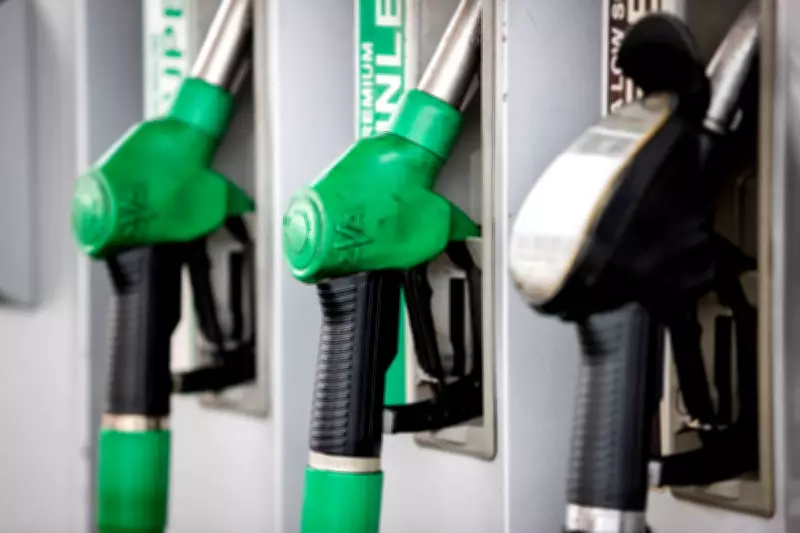
Motorists across the United Kingdom could soon face fuel rationing if the escalating conflict in the Middle East continues to disrupt global energy supplies, a former senior Downing Street advisor has urgently warned.
Imminent Supply Shortages Forecast
Nick Butler, who previously served as head of strategy at energy giant BP and was an adviser to former Prime Minister Gordon Brown, stated that government ministers should immediately begin preparations for a "significant shortfall of supply over the next two months." With the Strait of Hormuz—a vital shipping route for approximately one-fifth of the world's oil—currently blockaded amid retaliatory actions by Iran against US-Israeli strikes, Butler emphasised that Sir Keir Starmer's administration must develop a coherent strategy to address impending fuel shortages.
Historical Precedents and Current Risks
Butler drew parallels to the fuel crisis of 2000 during Tony Blair's government, when protests by hauliers over fuel duty increases led to blocked depots, widespread panic buying, and rapidly depleting petrol station supplies. He cautioned that the current situation could necessitate "a form of rationing," highlighting that oil and gas supplies are fundamental to economic stability and cannot be swiftly replenished.
During an interview on BBC Radio 4's Today programme, Butler outlined the critical steps required: "In the short-term, we have to look at what supply we have and look at the crucial sectors - the health service, food supply, hospitals - those are key elements that must be protected. And beyond that, it is then for the government to decide how to ration what is left - if we get to that situation."
Government Response and Economic Implications
Prime Minister Sir Keir Starmer has acknowledged the severity of the crisis, announcing immediate support for vulnerable households and emphasising the need for a credible plan to reopen the Strait of Hormuz. On Monday morning, Starmer pledged £53 million in aid for heating oil customers most affected by the energy price spike resulting from the Middle East conflict.
Speaking from Downing Street, Starmer affirmed: "This government will always support working people. That is my first instinct, my first priority, to help you with the cost of living throughout this crisis." However, Butler warned that the situation could also trigger "price volatility" as nations compete for limited oil supplies, exacerbating existing cost-of-living pressures.
Long-Term Strategic Concerns
The blockade of the Strait of Hormuz poses a profound threat to global energy markets, with potential repercussions extending far beyond immediate fuel shortages. Butler stressed that the UK's dependency on imported oil and gas leaves the economy particularly vulnerable to such geopolitical disruptions. He urged policymakers to not only address short-term rationing possibilities but also to invest in longer-term energy resilience and diversification strategies.
As tensions in the Middle East continue to escalate, the warnings from experienced energy experts like Nick Butler underscore the urgent need for proactive government planning to mitigate the impact of potential fuel rationing on British households, businesses, and essential services.