With energy bills set to rise again in the new year, households across the UK are searching for effective ways to reduce their costs. However, common errors and myths surrounding your home's thermostat could be secretly inflating your expenditure through wasted heating.
The crucial role of thermostat placement
Energy expert Gordon Wallis from Your NRG has highlighted why where you put your thermostat is just as important as how you set it. He warns that inaccurate readings from poor placement are a major source of energy waste. "If the thermostat is next to a radiator, exposed to direct sunlight, or behind furniture, it will get a false reading," Wallis explained. This malfunction means your heating system could switch off prematurely or run for longer than needed, directly hitting your wallet.
The optimal location for a thermostat is in a central area with consistent airflow, such as a hallway or a main living space, away from direct heat sources or drafts. This allows it to gauge the average temperature of your home accurately, ensuring efficient operation.

Debunking the biggest heating myth
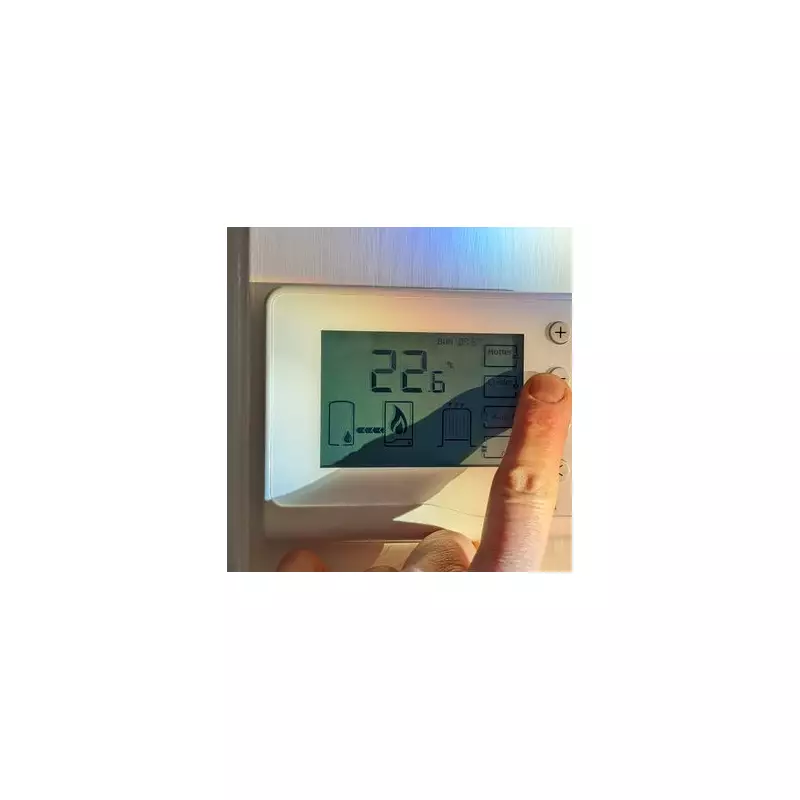
One of the most persistent misconceptions is that cranking up the thermostat dial will heat a cold room more quickly. Wallis is keen to set the record straight on this costly habit. "The thermostat maintains the temperature you set," he stated. "If you want your home to be 20°C, you do not need to adjust it because the weather has dropped. Turning it higher only increases running time and energy use." The heating system works at a constant pace; a higher setting simply instructs it to work longer to reach a warmer temperature, not faster.
The magic number for warmth and savings
So, what is the ideal temperature to aim for? For most people, the recommended minimum for a warm and comfortable home is 18°C. This temperature is sufficient to ward off the cold without causing energy bills to skyrocket. Despite this guidance, many households still typically set their thermostats around the 20°C mark, indicating a significant opportunity for savings with a small adjustment.
Wallis also advises homeowners to look beyond the thermostat to maximise efficiency. Simple, low-cost steps with your radiators can make a substantial difference:
- Bleed radiators regularly to remove trapped air, which prevents them from heating up fully.
- Move furniture away from radiators to allow heat to circulate freely into the room.
- Consider fitting reflective panels behind radiators on external walls to direct heat back into the room.
"These are small things that can make the home feel warmer without turning the thermostat up," he added.
Further easy wins include drawing back curtains during the day to let in natural sunlight and warmth, and keeping doors closed between heated rooms and unheated spaces like hallways or spare rooms. By combining these practical measures with mindful thermostat use, households can create a warmer, more energy-efficient home and protect themselves against impending bill increases.