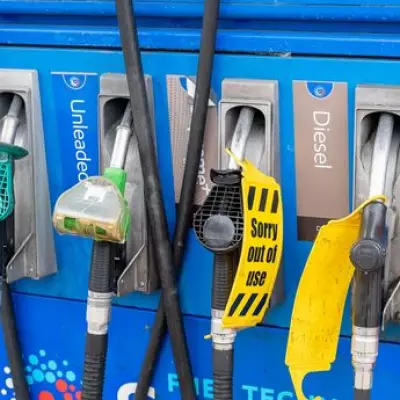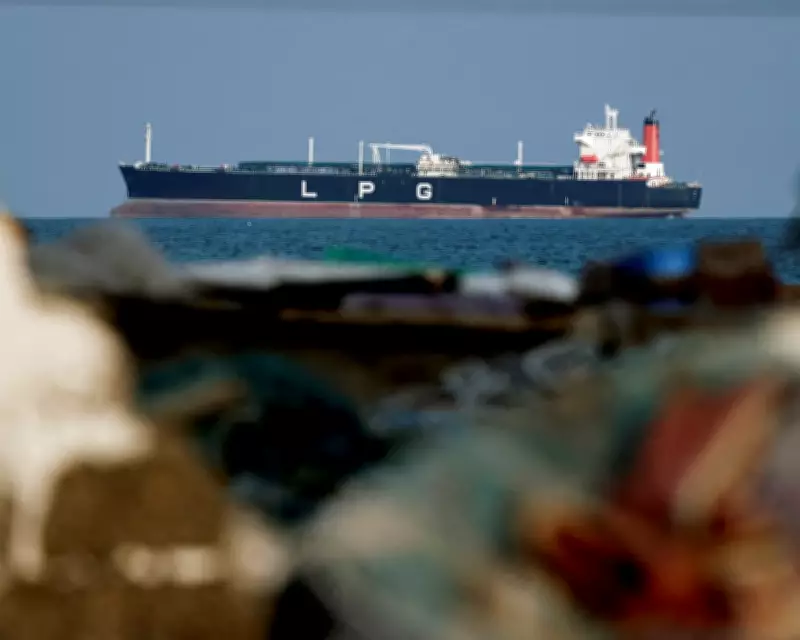
The ongoing conflict in the Middle East, specifically the US-Israel war on Iran, has severely disrupted global shipping routes, leading to a significant surge in oil market prices worldwide. This disruption has forced many consumers to reconsider their fuel usage amid escalating costs.
Critical Waterway Blockade Impacts Global Supply
The Strait of Hormuz, a vital maritime passage through which approximately one-fifth of international oil supplies typically flow, has been effectively closed since the onset of the conflict. This blockade has created a bottleneck in global energy logistics, exacerbating supply chain tensions.
Oil Prices Reach Milestone High
Last week, oil prices surpassed $100 per barrel for the first time since Russia's invasion of Ukraine four years ago, marking a troubling milestone in the energy sector. Among fuels, kerosene has been particularly affected, with its price rising more rapidly than petrol and gas in several regions, adding pressure to households and industries reliant on it for heating and cooking.

Nations Implement Emergency Measures
In response to the crisis, governments are taking drastic steps to mitigate shortages. The Indian government has invoked emergency powers, directing refiners to maximise production of liquefied petroleum gas (LPG) to prevent a shortage for the 333 million homes with LPG connections. Reuters reported that India has cut sales to industrial users to prioritise domestic needs.
Sri Lanka has introduced fuel rationing to extend its dwindling supplies. Under the new system, motorcycles are allocated 5 litres, cars 15 litres, and buses 60 litres of fuel per week. This measure aims to manage the country's reliance on LPG and kerosene, commonly used for cooking in domestic settings.
In Pakistan, Prime Minister Shehbaz Sharif announced a range of measures last week to cut fuel use and government spending. Schools will close for two weeks, and office workers are encouraged to work from home more frequently to reduce consumption amid surging oil prices.
Consumer Adjustments and Call for Stories
As fuel prices climb, many individuals are consciously cutting back on usage. This may involve limiting car journeys, reducing cooking activities, or forgoing hot meals in favour of cold alternatives to conserve fuel for heating and other essentials.
We are seeking to hear from people who are making these adjustments due to recent price increases. How are you managing your fuel consumption? Are you finding innovative ways to conserve, or are these changes impacting your daily life significantly? Share your experiences anonymously if preferred, as we aim to highlight personal stories amidst this global crisis.
Your responses will be kept secure and used solely for this feature, with personal data deleted after its purpose is fulfilled. For alternative contact methods, please refer to our secure messaging guidelines.