Fuel Duty Increase Under Review Amid Middle East Crisis
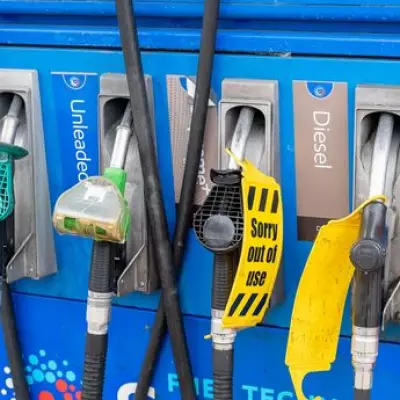
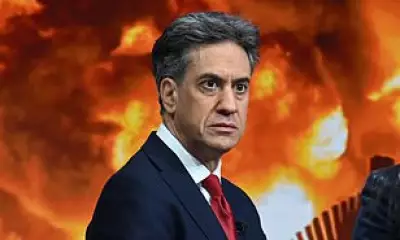
Ministers are considering abandoning a planned fuel duty hike scheduled for September, Energy Secretary Ed Miliband has indicated, as spiking oil prices linked to the ongoing Middle East conflict put pressure on household budgets.
The proposed increase would mark the end of a sixteen-year freeze on fuel duty, but Mr Miliband suggested the government might reverse course given the volatile energy market.
"We Will Stand By the British People"
When questioned by the BBC about whether the fuel duty freeze would be maintained, Mr Miliband responded cautiously, stating, "Let me answer that by saying this, which is, I'll be candid with you, we don't know how long this conflict is going to go on and therefore, with five months to go until September, we will have to see where we are, obviously."

He emphasized the government's commitment to supporting citizens through the crisis, adding, "We will stand by the British people in this crisis, and we'll do what it takes to do that." Pressed further on the fuel duty issue, Mr Miliband declined to speculate on Chancellor Rachel Reeves's decisions but reiterated his message of support.
Accelerated Energy Help Package Announced
Alongside the potential policy shift on fuel duty, Mr Miliband unveiled an accelerated package of energy assistance measures in response to the Middle East situation. Key components include:
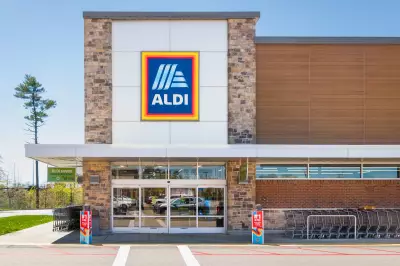
- Low-cost solar panels that families can purchase at supermarkets and install on balconies or outdoor spaces, available in the UK for the first time. Ministers are collaborating with industry to expedite market availability.
- Bringing forward the next annual renewables auction to July. The government's most recent auction secured Europe's largest single procurement of offshore wind capacity.
- Targeted support for the poorest households relying on heating oil, expected to be announced on Monday as part of a plan worth tens of millions of pounds.
Labour MPs representing rural constituencies have raised alarms about constituents in fuel poverty struggling to heat their homes, highlighting the urgency of these measures.
Chancellor Reeves Commits to Additional Support
In a weekend interview with the Times, Chancellor Rachel Reeves affirmed the government's focus on aiding vulnerable households. "I have found the money and we've worked through with MPs and others a response for people who are not protected by the energy price cap," she stated. "We're giving greater support to those who really need it."
Currently, gas and electricity bills are regulated by Ofgem's price cap, which remains fixed until June. However, analysts warn that if the Middle East conflict persists and Iran continues to restrict shipping through the Strait of Hormuz, households could face significant price increases.
Potential Bill Hikes and Market Pressures
Analysts at Cornwall Insight project that household energy bills could rise by 10% starting in July due to sharp increases in wholesale gas prices. This would elevate Ofgem's price cap for the July to September period to £1,801 annually for a typical dual-fuel household, representing a £160 increase from April's cap.
The situation intensified over the weekend when the United States conducted airstrikes on Kharg Island off the Iranian coast, a critical oil terminal handling 90% of Iran's crude oil exports, further destabilizing global oil markets.
Government Vows Further Action if Needed
Mr Miliband assured British families that additional help with energy bills would be provided if necessary. In an interview with Sky News, he declared, "People should be in no doubt this government's number one priority is the British people's wishes to tackle the cost of living crisis. And we will do whatever is necessary to do that… If it is necessary to provide further help, we will do so."

Speaking to the Sunday Mirror, the Energy Secretary also pledged to combat price gouging, supporting Ofgem in issuing fines to unfair traders. "What's important in this situation is that your readers know that we are going to fight that corner, and that's what we're going to do," he asserted. "Making clear whether it's the heating oil companies or the petrol retailers that we're not going to tolerate unfair practices or price gouging is an essential part of that."