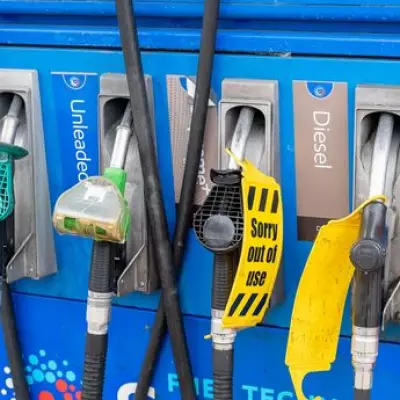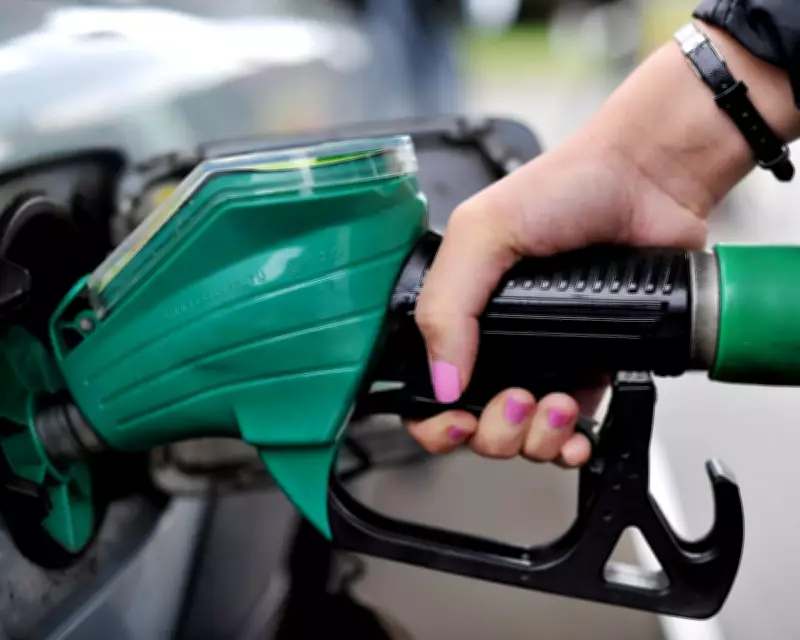
Fuel prices in the United Kingdom have experienced a sharp and rapid increase over the past two weeks, directly linked to the escalating conflict involving Iran. According to recent data, the average price per litre of petrol has risen by 7.3 pence, reaching 140.15 pence, while diesel has seen an even more significant jump of 15.85 pence, now standing at 158.23 pence. This surge marks the fastest rate of increase since 2022, driven by global oil market volatility following military actions by the US and Israel against Iran.
Industry Backlash Over Government Rhetoric
The Petrol Retailers Association (PRA), which represents owners of approximately 65% of UK forecourts, has ignited a contentious dispute with government ministers. The trade body claims that the use of "inflammatory language" by officials, including terms like "price gouging" and "ripping off," has potentially incited abuse against petrol station staff from the public. Gordon Balmer, the PRA's executive director, stated that such rhetoric could have "provoked" these incidents, highlighting the challenging conditions under which retailers operate with "razor thin or in some cases negative margins."
Meeting U-Turn and Government Stance
Initially, the PRA announced it was withdrawing from a scheduled meeting with Chancellor Rachel Reeves and Energy Secretary Ed Miliband, citing the "incorrect and inflammatory" comments from ministers. However, within hours, the association reversed its decision and agreed to attend the discussion at 11 Downing Street. The meeting aimed to address concerns over soaring fuel costs, with the government expected to warn industry leaders that the Competition and Markets Authority (CMA) is on "high alert" for any unjustifiable price hikes.

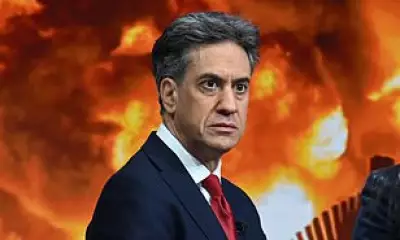
Miliband reinforced this position in a BBC interview, asserting that the government will not tolerate profiteering from the conflict and that the CMA is prepared to intervene to prevent "rip-offs." Reeves had earlier pointed out disparities in pricing, noting that some petrol stations were charging nearly 180p per litre while others offered rates below 130p per litre, prompting her call for action to "get prices down at the pumps."
Broader Implications and Public Response
The row underscores the heightened tensions between the fuel retail sector and policymakers amid economic pressures. As consumers face mounting costs at the pumps, the debate over fair pricing and market competition intensifies. The PRA's concerns about staff safety and public perception add a human dimension to the financial strain, with Balmer emphasizing that members are "losing money" in the current climate.
This situation reflects broader challenges in the UK's energy and retail industries, where global events like the Iran war can swiftly impact domestic markets. The government's proactive monitoring through the CMA signals a commitment to consumer protection, but the ongoing dialogue with retailers will be crucial in balancing economic realities with public accountability.