Global energy markets have been plunged into turmoil following a series of devastating attacks on critical gas facilities in the Middle East, sparking fears of a prolonged supply crisis and significant price shocks.
Oil Prices Surge Amid Escalating Conflict
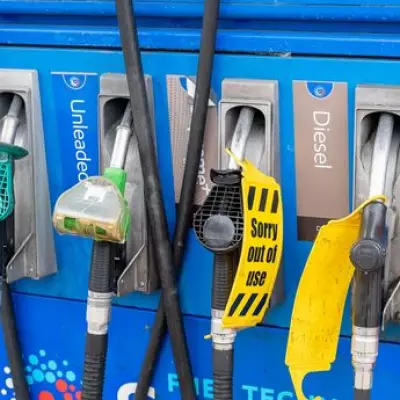
Brent crude oil prices have skyrocketed by a dramatic 7%, reaching $114 per barrel, as escalating hostilities target key energy infrastructure across the region. This sharp increase reflects growing market anxiety over the stability of global energy supplies, with analysts warning that the situation is rapidly evolving from a regional shipping issue into a full-blown international supply crisis.
Targeted Strikes on Key Gas Fields
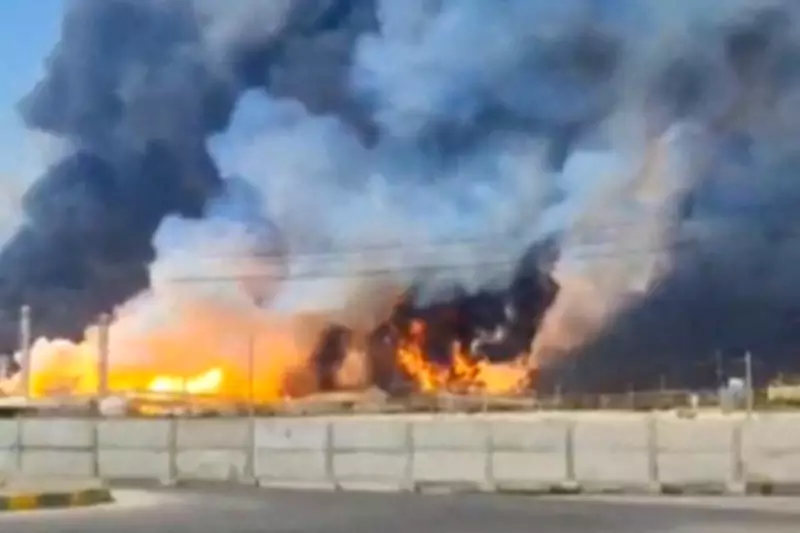
Qatar has reported substantial damage and raging fires at its strategically vital Ras Laffan liquefied natural gas field, following a barrage of Iranian missile strikes. This assault came in direct response to earlier reports indicating that Israel had launched a preemptive military operation against Iran's massive South Pars gas field, one of the world's largest natural gas reserves.

The tit-for-tat attacks have created a highly volatile geopolitical landscape, with energy experts expressing grave concerns about the potential for long-term disruptions to global gas and oil flows. The physical damage to these facilities could take months or even years to fully repair, exacerbating existing energy shortages and driving prices even higher.
Trump's Threatening Rhetoric Adds to Tensions
Adding fuel to the fire, former US President Donald Trump has entered the fray with characteristically bellicose statements. While claiming to have no prior knowledge of Israel's strike on South Pars, Trump issued a stark warning, threatening to 'massively blow up' Iran's South Pars gas field if Qatar's facilities suffered any further attacks.
This inflammatory rhetoric has only served to heighten tensions in an already precarious situation, with diplomatic channels straining under the weight of escalating threats and counter-threats. Market observers note that such statements contribute significantly to the climate of uncertainty that is 'spooking the market' and driving speculative price increases.
Market Reactions and Analyst Warnings
Financial analysts across the globe are sounding alarm bells, describing the current situation as a perfect storm for energy markets. The transformation from localized shipping disruptions to direct attacks on production facilities represents a dangerous escalation that could have far-reaching consequences for global economies already grappling with inflationary pressures.
Key concerns raised by market experts include:
- The potential for sustained price increases affecting everything from transportation to manufacturing
- Increased volatility in energy markets making long-term planning difficult for businesses
- Possible ripple effects on other commodity prices and broader economic stability
- Geopolitical risks spreading beyond the Middle East to affect global energy security
The attacks have exposed the fragility of global energy interdependence, with major economies now facing difficult decisions about energy diversification and security. As smoke continues to rise from damaged facilities, the world watches nervously, aware that the coming weeks could determine whether this crisis remains contained or escalates into a broader conflict with even more severe economic consequences.