Heating Oil Price Surge Leaves Households and Suppliers Counting the Cost
Households across the United Kingdom are facing severe financial strain as heating oil prices have skyrocketed by as much as £100 over a single weekend. This dramatic increase is directly linked to escalating conflict in the Middle East, which has sent shockwaves through global oil markets.
Northern Ireland Bears the Brunt of the Crisis
While approximately 1.5 million UK homes rely on heating oil, the impact is most acute in Northern Ireland. Official figures reveal that nearly two-thirds of homes in the region—62.5 percent—depend on oil for heating, compared to a UK average of just over five percent. This disparity leaves Northern Irish consumers exceptionally vulnerable to global price volatility.
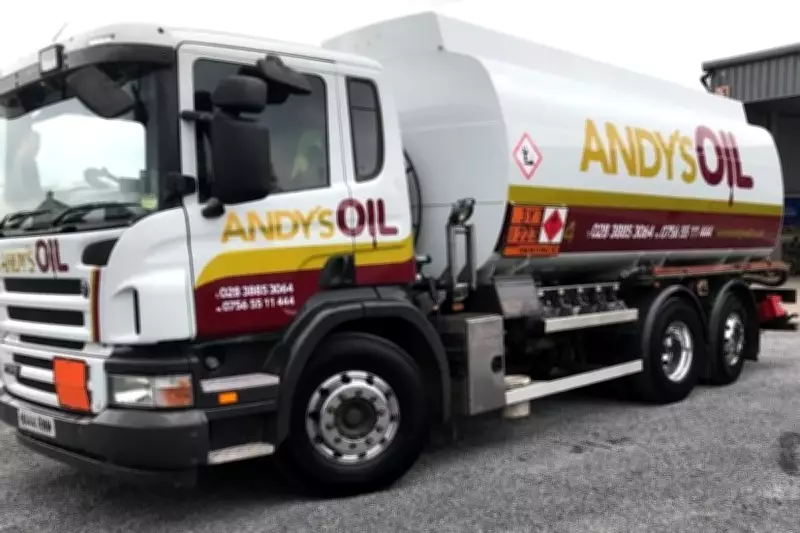
Andy Douglas, founder of Andy's Oil in County Armagh, exemplifies the crisis facing suppliers. Having operated since 2013, he was forced to temporarily halt orders after panic buying and soaring wholesale costs left him operating at a significant loss. "I'm working 16 hours today and I'm losing £1,000 because of not charging enough a day or two ago when I accepted the order," Mr Douglas explained.

A Market in Turmoil
The price surge has been sudden and severe. Data from the Consumer Council NI shows that the average cost for 500 litres of home heating oil in Northern Ireland was £307.38 just before the recent conflict. By Monday, prices had jumped to £395 at one County Armagh provider and £425 at another in County Down.
Mr Douglas detailed the precarious nature of his business model: "I normally just lift my oil on a daily basis at Belfast storage terminals. I'll go fill the lorry, go out and sell the oil, and that's it. So I'm subject to the daily prices coming out of the storage terminal, whatever they may be." He noted that this system works under normal conditions but collapses during periods of panic buying, such as the current crisis.
Geopolitical Tensions Fuel the Fire
The root cause of the price spike lies in renewed Middle East hostilities. Global oil prices have been climbing steadily after US and Israeli strikes on Iran, followed by retaliatory Iranian attacks on targets in the United Arab Emirates, Qatar, Bahrain, Jordan, and Iraq. The situation escalated further when Iran threatened to "set fire" to any ships attempting to pass through the Strait of Hormuz.
This strategic waterway is a critical artery for the global oil industry, serving as the only passage from the Persian Gulf to the open ocean. Approximately 20 percent of the world's oil and gas shipments traverse this route, making any disruption there a direct threat to energy supplies worldwide.
Calls for Regulation and Accusations of Price Gouging
The heating oil market operates outside the regulatory framework governing grid-supplied electricity and gas. Unlike consumers on standard variable tariffs protected by Ofgem's energy price cap, heating oil users are entirely exposed to market fluctuations. This lack of protection has sparked outrage and calls for government intervention.
Irish Labour Party spokesperson George Lawlor TD has accused suppliers of "pure price gouging" and demanded immediate government action. "Home heating oil companies have hiked their prices overnight, blaming events in the Middle East, yet the oil currently being delivered to Irish homes has been in the country for weeks if not months," he stated. "There has been no sudden disruption to supply. There is no shortage. There is no justification for hammering families in this way."
Historical Parallels and Future Uncertainty
For suppliers like Andy Douglas, this crisis evokes painful memories of the 2022 energy price spikes triggered by Russia's invasion of Ukraine. That experience taught consumers to act quickly, leading to the panic buying now exacerbating the current situation. Mr Douglas reported receiving between 200 and 300 phone calls on a single Monday as customers scrambled to secure oil before further price increases.

Raymond Gormley, head of energy policy at the Consumer Council, warned that Northern Ireland's complete reliance on imported heating oil leaves it "at the mercy of volatile global oil markets." He noted that prices had already been rising slowly in recent weeks, with the conflict with Iran likely to accelerate this trend significantly. The Consumer Council continues to monitor the situation closely, with updated figures expected to reveal the full impact of the crisis.
As geopolitical tensions show no signs of abating, households and suppliers across the UK—particularly in Northern Ireland—face an uncertain and costly winter, with further price increases appearing inevitable.