IEA Calls for Emergency Measures to Tackle Fuel Shortages from Middle East Conflict
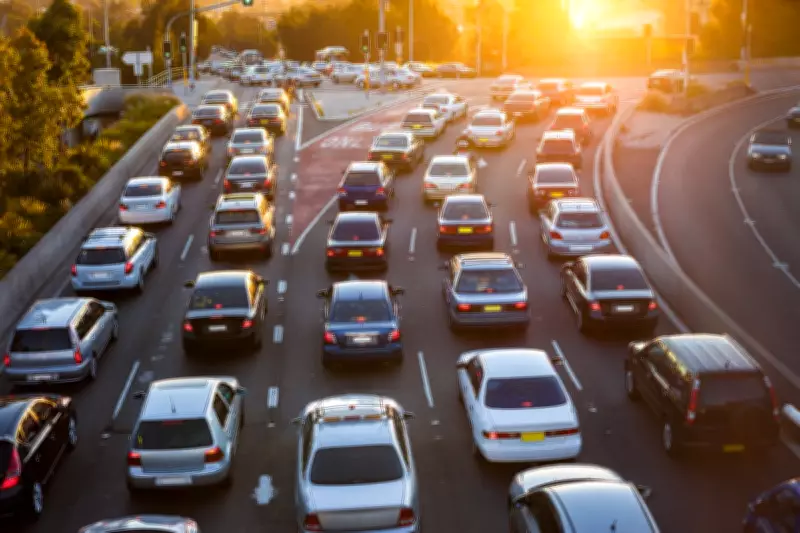
The International Energy Agency (IEA) has issued urgent guidance to governments worldwide, advising them to implement emergency measures such as reducing highway speeds and restricting car access in urban areas to mitigate potential fuel shortages. These recommendations come in response to soaring oil prices and supply disruptions triggered by the ongoing conflict in the Middle East, which has severely impacted global energy markets.
Key Recommendations to Curb Oil Demand
The IEA has outlined ten specific actions aimed at reducing oil consumption and helping households and businesses prepare for prolonged energy market disruptions. Most of these measures focus on road transport fuels, given their significant share in overall consumption, but they also address air travel and alternative energy sources.
- Work from home where possible to conserve petrol.
- Reduce highway speed limits by at least 10km/h to lower fuel usage.
- Encourage public transport to decrease oil demand.
- Limit car access in large cities through number-plate rotation schemes.
- Increase car sharing among commuters.
- Promote efficient driving for commercial vehicles via load optimisation and maintenance.
- Divert LPG use from transport to essential needs like cooking.
- Avoid air travel where feasible.
- Encourage electric cooking and other options to reduce reliance on LPG.
- Help industrial facilities switch between petrochemical feedstocks to free up LPG.
Background and Global Impact
The IEA's advice follows military strikes on Iran that have caused the most significant supply disruptions in the history of the global oil market. This has led to sharp increases in prices for petrol, diesel, jet fuel, and LPG. In response, the IEA recently ordered the largest release of government oil reserves ever to help stabilise prices, but warns that market recovery will take time due to the ongoing crisis in the Strait of Hormuz.

Fatih Birol, the IEA executive director, emphasised that without a swift resolution to the conflict, the impacts on energy markets and economies will worsen. He described the recommended measures as a "menu of immediate and concrete actions" that governments, businesses, and households can adopt to protect consumers from the crisis.
International Responses and Concerns
Governments are already taking steps to address the oil demand surge. For instance, Austria and Greece have capped profit margins at fuel retailers, while the UK is providing support to vulnerable households for heating oil costs. Several countries have also restricted travel for public officials and launched campaigns to encourage energy conservation.
However, concerns persist about the lack of a clear exit strategy from the conflict, particularly regarding the stability of oil trade through the Strait of Hormuz, which is largely controlled by Iran. Recent attacks on energy infrastructure have heightened fears of long-term supply cuts, prompting the IEA to stress the importance of demand-side measures alongside supply releases.
In Australia, initial responses have focused on supply-side actions, such as relaxing fuel standards and addressing anti-competitive behaviours by major retailers. State governments have been hesitant to discuss contingency plans like fuel rationing, highlighting the global challenge in coordinating effective crisis management.
The IEA notes that demand restraint is a mandatory contingency for all member countries, including Australia, the UK, and the US, underscoring the urgency of adopting these measures to navigate the current energy emergency.