The International Energy Agency (IEA) is poised to deliberate on the potential release of further emergency crude oil reserves into global markets, as escalating tensions in the Strait of Hormuz continue to drive prices upward. Fatih Birol, the executive director of the IEA, has cautioned that market recovery from the ongoing crisis will be a protracted process, necessitating strategic interventions to mitigate economic impacts.
Emergency Stockpiles Remain Substantial Despite Initial Release
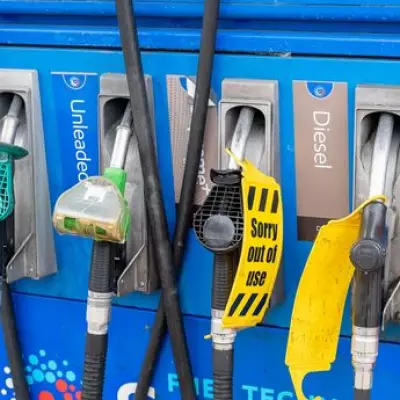
Birol emphasized that member nations of the IEA retain significant emergency oil stockpiles, even following the historic agreement to unleash 400 million barrels of government-held crude. This monumental release, the largest in market history, is designed to compensate for disrupted exports from Gulf nations, which have precipitated a staggering 40% surge in global oil prices this month alone.
Approximately 100 million barrels of these emergency reserves will be accessible to buyers across Asia this week, marking the initial phase of the planned deluge. Despite this substantial allocation, Birol noted that the current release will only deplete emergency stocks in IEA countries by roughly 20%, leaving ample reserves available for future deployment if required.

Market Volatility and Price Fluctuations
The Brent crude benchmark experienced sharp volatility at the start of the trading week, initially climbing nearly 3% to reach about $106.50 per barrel before retracting by approximately 2%. Nevertheless, prices remained elevated, trading just above the $100 per barrel threshold, reflecting persistent market anxieties.
Birol warned that while emergency reserves provide a temporary buffer, the fundamental solution lies in reopening the Strait of Hormuz to restore the flow of Gulf oil and gas. This critical maritime chokepoint traditionally facilitates the transport of one-fifth of the world's seaborne crude from major producers to international markets.
Geopolitical Tensions and International Responses
The crisis stems from Iran's effective blockade of the Strait of Hormuz, a strategic maneuver in its geopolitical standoff with the United States and Israel. In retaliation, U.S. forces conducted a weekend attack on Kharg Island, which hosts infrastructure responsible for exporting around 90% of Iran's crude oil. Although the assault did not inflict damage on the oil hub, it heightened concerns over declining Gulf production as operators are compelled to shutter oilfields.
Former U.S. President Donald Trump reiterated calls for global leaders to assist in unblocking the strait, expressing frustration over varying levels of enthusiasm among allied nations. "Some are very enthusiastic about it, and some aren't," Trump remarked, underscoring the diplomatic complexities surrounding the crisis.
Long-Term Implications for Global Energy Trade
Birol advised that governments worldwide should prepare for a potentially prolonged conflict, noting that global energy trade will require considerable time to recuperate even after hostilities cease. The IEA's potential release of additional reserves underscores the urgency of stabilizing markets amid supply disruptions and geopolitical instability.
As the situation evolves, the interplay between emergency stock releases, market dynamics, and diplomatic efforts will be crucial in determining the trajectory of oil prices and energy security across Asia and beyond.