IEA Issues Urgent 10-Step Guide to Combat Energy Crisis Triggered by Iran Conflict
Brits are being advised to work from home and reduce their driving speeds as the energy crisis, exacerbated by escalating conflict in the Middle East, intensifies into a severe economic challenge. The International Energy Agency (IEA) has released a comprehensive 10-step plan aimed at curbing global oil demand in response to surging prices.
Oil Prices Skyrocket Amidst Geopolitical Tensions
The price of oil has experienced a dramatic increase worldwide following military actions by the United States, which prompted Iran to target the Strait of Hormuz. This critical maritime passage is essential for the transportation of a significant portion of the world's oil supply, and the disruption has led to widespread market volatility.
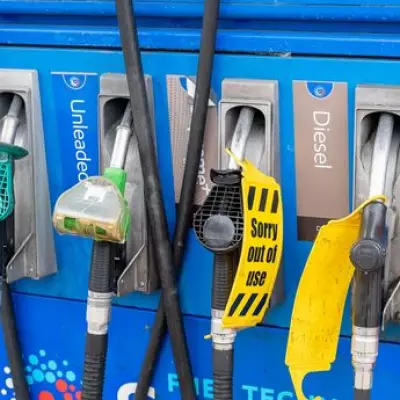
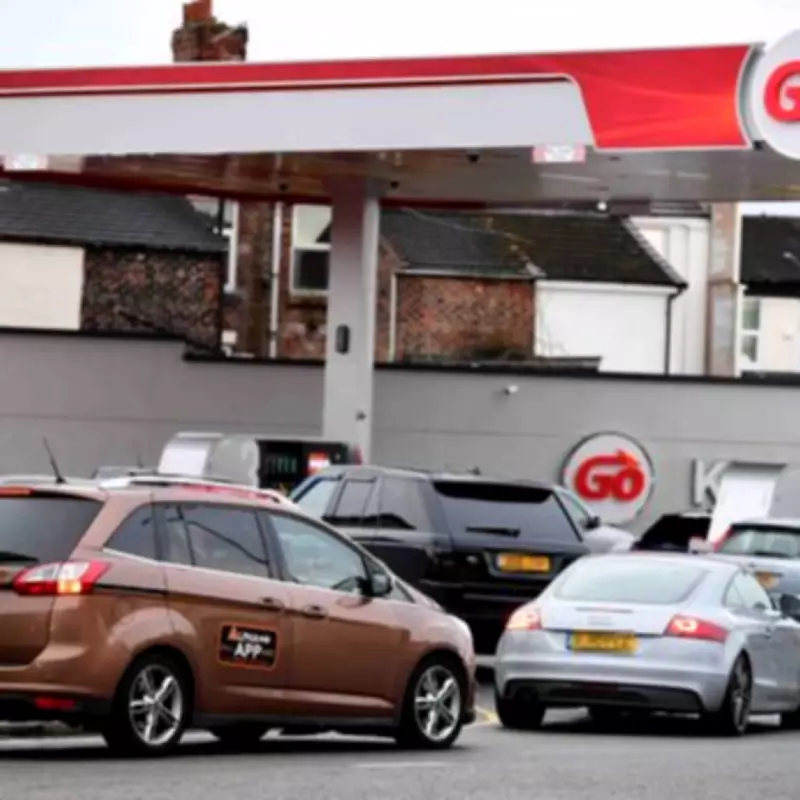
In the United Kingdom, the financial impact is becoming increasingly palpable for consumers. The annual energy bill for a typical dual-fuel household is projected to rise to £1,973 starting in July, coinciding with the next scheduled review of the energy price cap. Simultaneously, petrol prices have reached alarming levels, with unleaded fuel hitting 162.66p per litre and overall petrol prices averaging 142.62p per litre.

International Energy Agency Calls for Immediate Action
In light of these developments, the IEA is urging individuals and businesses to adopt "immediate actions to reduce demand" to alleviate pressure on oil stocks. The agency's recommendations are designed to be implemented swiftly to mitigate the economic fallout.
The IEA's 10-step guide includes the following measures:
- Work from home where possible – This strategy displaces oil use from daily commuting, particularly for roles that are suitable for remote work arrangements.
- Reduce highway speed limits by at least 10 km/h – Lower speeds are proven to decrease fuel consumption for passenger cars, vans, and heavy trucks.
- Encourage public transport – Shifting from private car usage to buses and trains can rapidly reduce overall oil demand.
- Alternate private car access to roads in large cities on different days – Implementing number-plate rotation schemes helps reduce traffic congestion and fuel-intensive driving patterns.
- Increase car sharing and adopt efficient driving practices – Higher vehicle occupancy rates and eco-driving techniques can lower fuel consumption quickly.
- Efficient driving for road commercial vehicles and delivery of goods – Better driving habits, regular vehicle maintenance, and optimised load management can cut diesel use significantly.
- Divert LPG use from transport – Redirecting bi-fuel and converted vehicles from LPG to gasoline preserves LPG for essential needs such as cooking.
- Avoid air travel where alternative options exist – Reducing business flights can promptly ease pressure on jet fuel markets.
- Where possible, switch to other modern cooking solutions – Encouraging electric cooking and other contemporary alternatives reduces reliance on LPG.
- Leverage flexibility with petrochemical feedstocks and implement short-term efficiency measures – Industries can assist by freeing up LPG for critical uses while reducing oil consumption through operational improvements.
Broader Economic Implications and Future Outlook
The energy crisis, often referred to as 'Trumpflation' in economic circles due to its roots in recent geopolitical decisions, is beginning to impact the global economy profoundly. Airlines are reportedly formulating contingency plans for potential jet fuel shortages, which may include flight cancellations, underscoring the widespread nature of the crisis.
As the situation evolves, the IEA's guidelines highlight the urgent need for collective action to stabilise energy markets and protect consumers from further financial strain. The coming months will be critical in determining how effectively these measures can be implemented to navigate the ongoing challenges posed by the conflict in the Middle East.